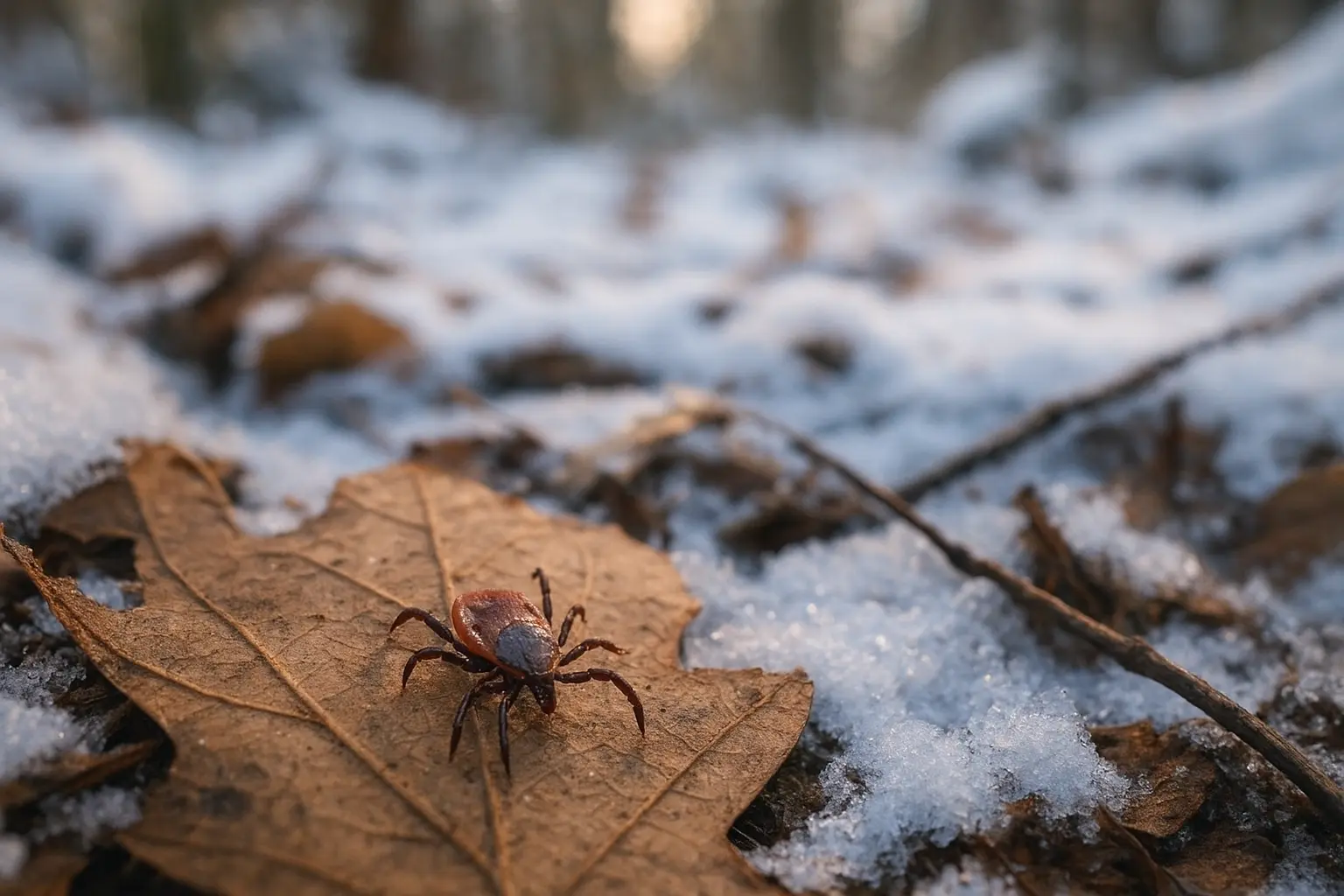
Do Ticks Die in the Winter? The Surprising Truth About Fatal Temperatures and Dormancy
When the air turns crisp and frost settles on the ground, most of us assume that ticks — those tiny, disease-carrying pests — finally disappear. But here’s the surprising truth: ticks don’t necessarily die in winter.
Instead, many species simply adapt. They slow their metabolism, hide under leaves or snow, and wait patiently for warmer days. Some even remain active when temperatures rise above freezing for a few hours.
In this guide, we’ll explore how ticks survive the cold, what temperatures can kill them, and how you can protect yourself, your pets, and your home — even in the dead of winter.
Do Ticks Really Die in the Winter?
Not exactly. While extreme cold can kill some ticks, most species have developed remarkable ways to endure freezing temperatures.
Ticks are cold-blooded parasites, meaning their body temperature changes with the environment. When winter arrives, they enter a state of low activity or dormancy. Some hide under leaves and soil; others attach to animals like deer or mice for warmth.
So even if you don’t see them crawling in the snow, they’re likely still close — hidden in nature’s insulation.
The Temperature Ticks Can’t Survive
Ticks are resilient, but they have limits. When temperatures stay below 14°F (-10°C) for several days without snow cover, many begin to die.
However, snow actually helps ticks survive by insulating the ground. Beneath a few inches of snow, the temperature might stay around 32°F (0°C) — just warm enough for them to endure.
Here’s a quick breakdown:
- Below 14°F (-10°C) for several days: Most ticks die unless protected.
- With snow cover or leaf litter: Many ticks survive comfortably.
- During mild winters: Ticks may remain active on warmer days, even questing for hosts.
3 Ways Ticks Survive Harsh Winters
Ticks don’t hibernate like bears — but they have evolved three survival strategies that allow them to withstand cold months remarkably well.
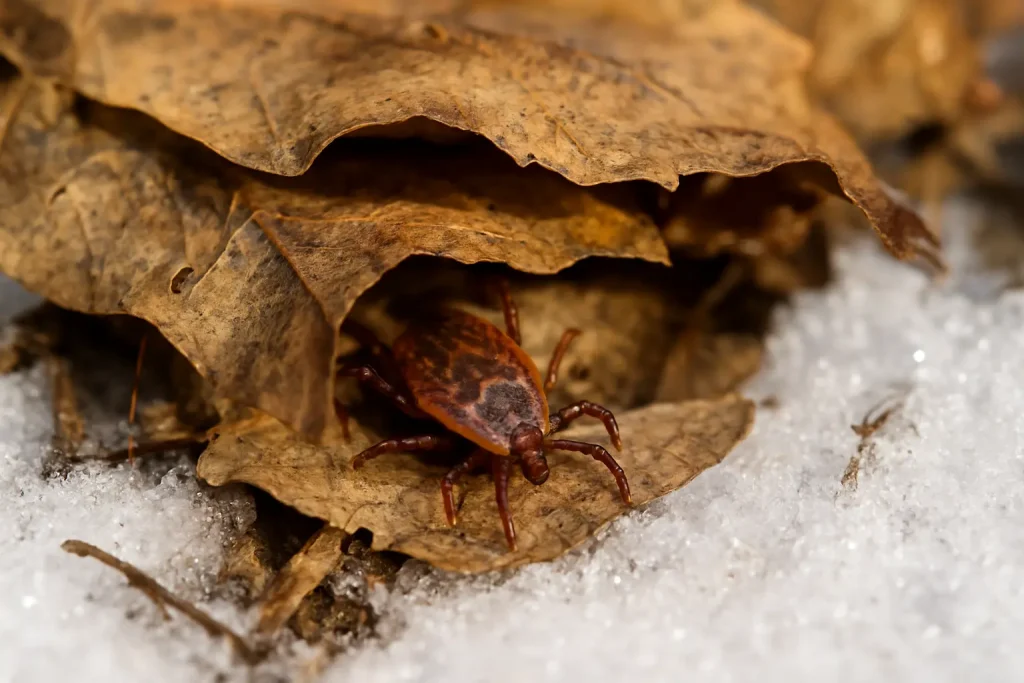
1. Dormancy (Diapause)
When the temperature drops and daylight shortens, ticks enter diapause, a state similar to suspended animation. Their metabolism slows dramatically, and they stop searching for hosts.
This pause helps them conserve energy until spring. When the temperature rises above 40°F (4°C) for several days, they awaken and resume activity almost immediately.
2. Hiding in Warm Microclimates
Ticks are experts at finding warmth where we’d least expect it. They crawl into:
- Leaf litter and mulch
- Under logs or bark
- Animal burrows or nests
- Snowdrifts that trap heat
These microclimates can stay 10–15°F warmer than open air. Even during subzero temperatures, ticks beneath leaves can survive comfortably.
3. Staying on a Host
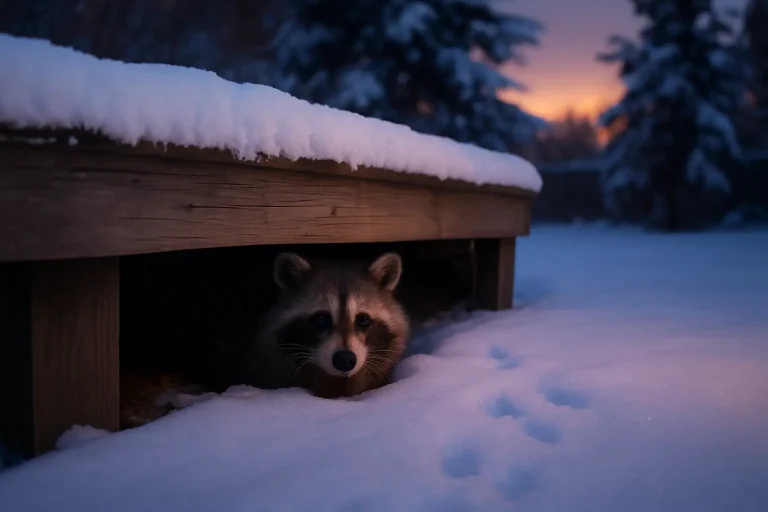
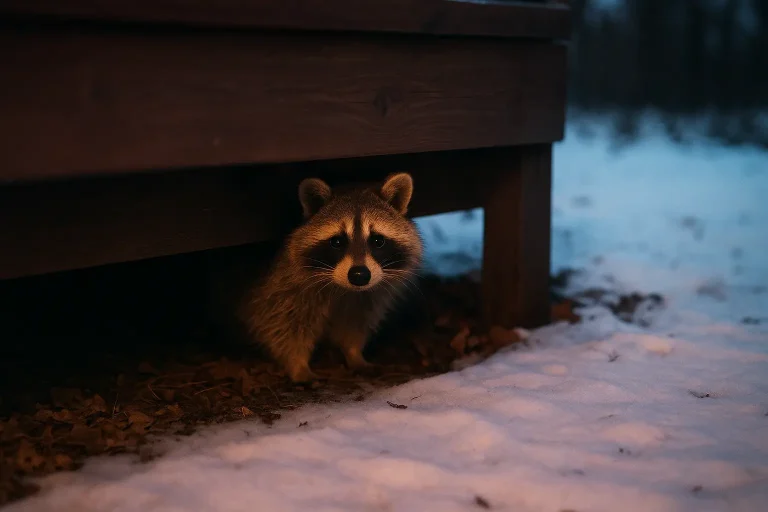
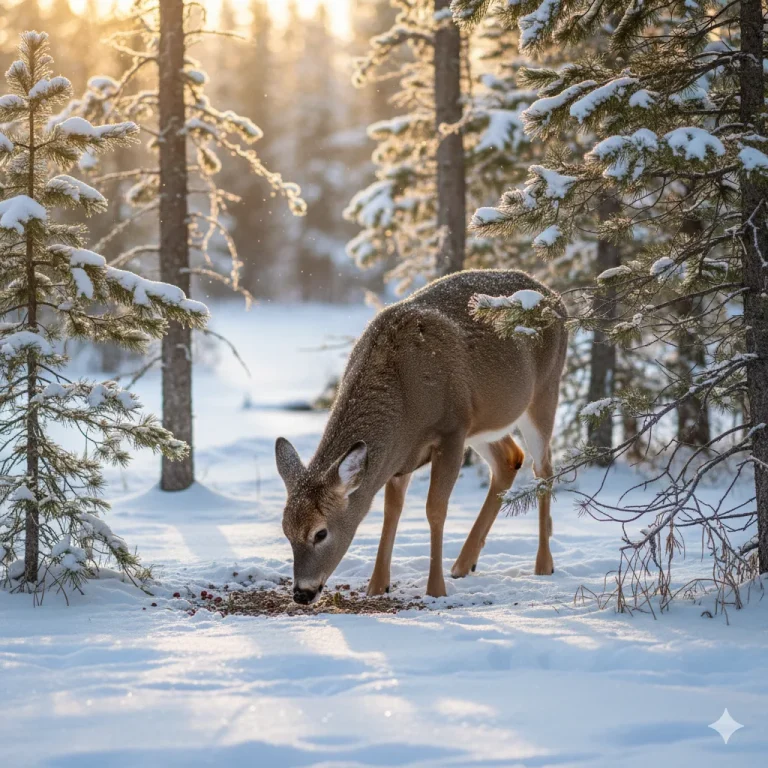
Some ticks don’t wait for spring — they ride out winter on warm hosts. Deer ticks, for example, can stay active and feed on animals like deer, raccoons, or even pets.
Because of this, it’s possible for humans and pets to get tick bites during mild winter hikes or outdoor chores.
Do All Tick Species Survive Winter Equally?
Not all ticks are built the same. Different species use different tactics — and some are far tougher than others.
| Tick Species | Winter Survival Strategy | Winter Activity Level |
|---|---|---|
| Deer Tick (Blacklegged Tick) | Dormancy under leaf litter; may stay active above 35°F | Moderate |
| American Dog Tick | Overwinters in larval/nymph stages in soil | Low |
| Lone Star Tick | Sensitive to extreme cold; numbers drop after harsh winters | Low |
| Brown Dog Tick | Can live indoors year-round | High |
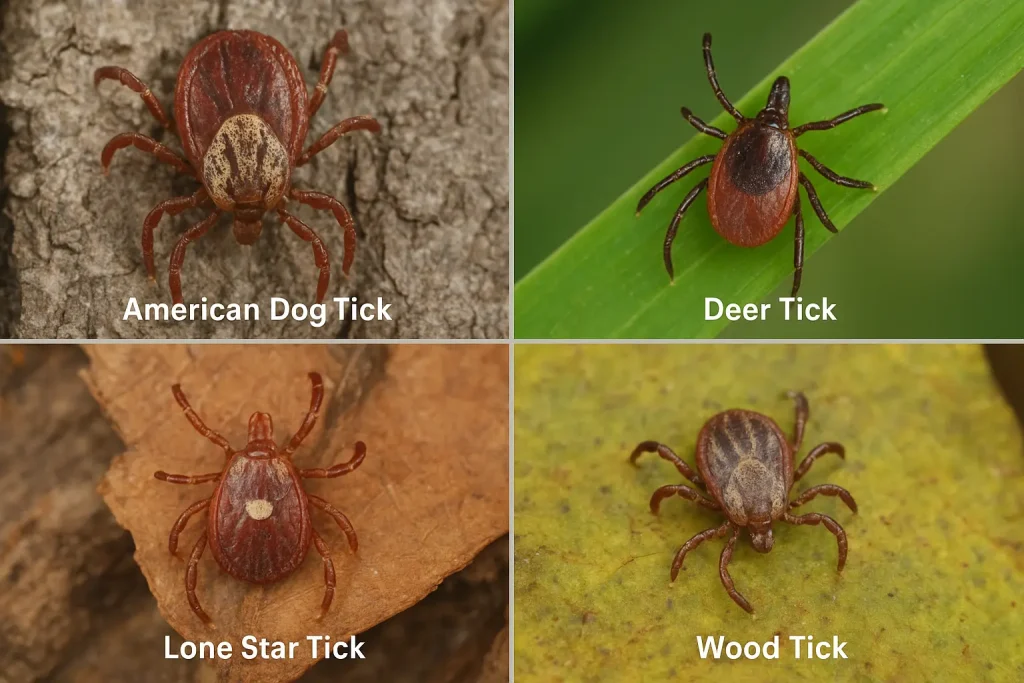
If your region experiences mild winters, expect deer ticks and brown dog ticks to remain the most active.
Do Ticks Die in the Snow?
Surprisingly, no — snow can actually save ticks. A thick blanket of snow acts like a thermal layer, trapping heat near the soil. This keeps ground temperatures steady, protecting ticks from lethal cold.
A snow-covered forest floor can be up to 25°F warmer than the air above. That’s enough to help ticks survive even during brutal cold snaps.
Can Ticks Still Bite in the Winter?
Yes — especially during warm spells. If temperatures rise above 40°F, adult deer ticks become active again, searching for hosts.
Winter outdoor activities like hiking, hunting, or gathering firewood can still expose you to ticks. They may cling to your pants, boots, or pets, then hitch a ride indoors.
Quick Tip: Always do a tick check after winter hikes, even if it’s cold out.
How to Prevent Ticks in Winter
Ticks may be quieter in winter, but prevention should never stop. Here’s how to stay protected year-round:
- Keep your yard clean: Rake leaves, trim grass, and remove brush piles where ticks hide.
- Use tick control on pets: Continue monthly treatments or collars, even in winter.
- Seal entry points: Prevent rodents from entering your home or garage.
- Dress smart outdoors: Wear long pants tucked into socks and light-colored clothing.
- Inspect after being outside: Check your skin, scalp, and clothing for ticks.
- Store firewood away from the house: Woodpiles attract rodents, which attract ticks.
- Stay alert in mild winters: More warm days mean more tick activity.

Will Cold Winters Reduce Tick Populations?
Harsh winters without snow can reduce tick populations — but they won’t eliminate them completely.
Ticks that survive in sheltered microclimates or on hosts will repopulate quickly once spring arrives. In fact, milder winters caused by climate change may be extending tick seasons in many regions.
Final Thoughts: The Hidden Winter Life of Ticks
So, do ticks die in the winter? Not entirely — they’re simply resting, hidden, and waiting for warmer weather.
Their ability to endure cold, go dormant, and use natural insulation makes them some of nature’s most persistent survivors.
By staying proactive and aware all year, you can enjoy the outdoors — even in winter — without worrying about these tiny but tenacious pests.