Stealth Camping Guide: 14 Smart Factors for a Safe Stealth Trip
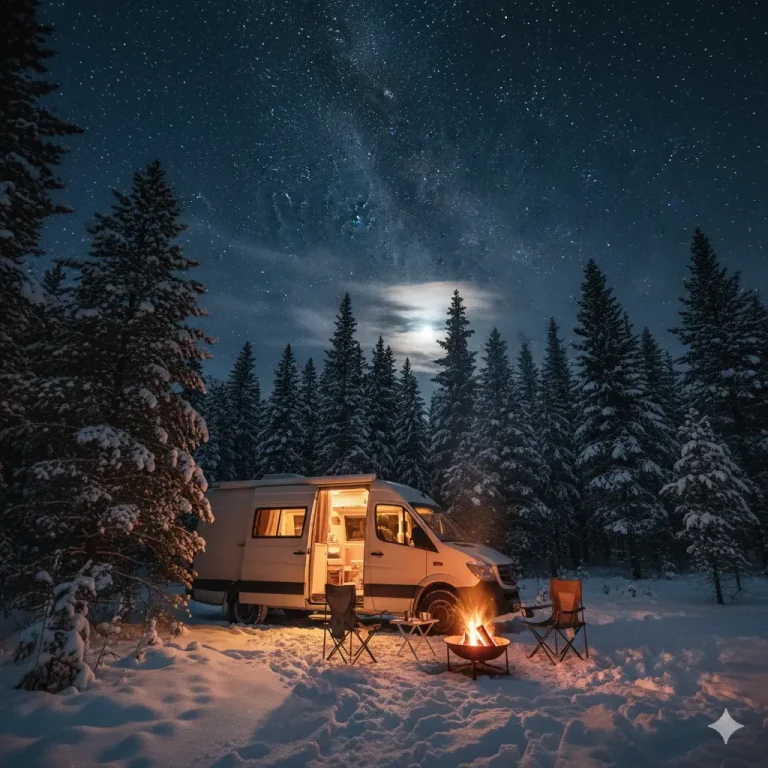
Stealth camping—also known as wild camping, boondocking, or off-grid camping—is the art of sleeping overnight in a vehicle or tent without drawing attention to yourself. Whether you’re exploring in a van, truck, or small tent, it’s all about blending in, staying discreet, and leaving no trace.
In this Stealth Camping Guide, we’ll cover 14 key factors that will help you camp safely, legally, and comfortably, no matter where you park.
What Is Stealth Camping?
Stealth camping means parking or camping in an area that’s not a designated campsite, without attracting attention or breaking local laws. It’s popular among vanlifers, digital nomads, and travelers who enjoy freedom and simplicity.
The main idea? Be invisible, be respectful, and move on quietly.
1. Choose the Right Location
Your location determines whether your stealth trip is peaceful or stressful.
Tips:
- Look for mixed-use areas like industrial zones, residential edges, or near 24-hour stores.
- Avoid “No Overnight Parking” signs.
- Stay away from schools, government buildings, and gated communities.
Pro Tip: Apps like iOverlander or Park4Night can help you find safe overnight spots.
2. Arrive Late, Leave Early
Timing is everything in stealth camping.
Arrive just before dark and leave at dawn to avoid attention. Staying too long can attract curious eyes or unwanted visits.
Keep your movements quiet and minimize lights when setting up.
3. Blend In With Your Surroundings
Your goal is to look like you belong.
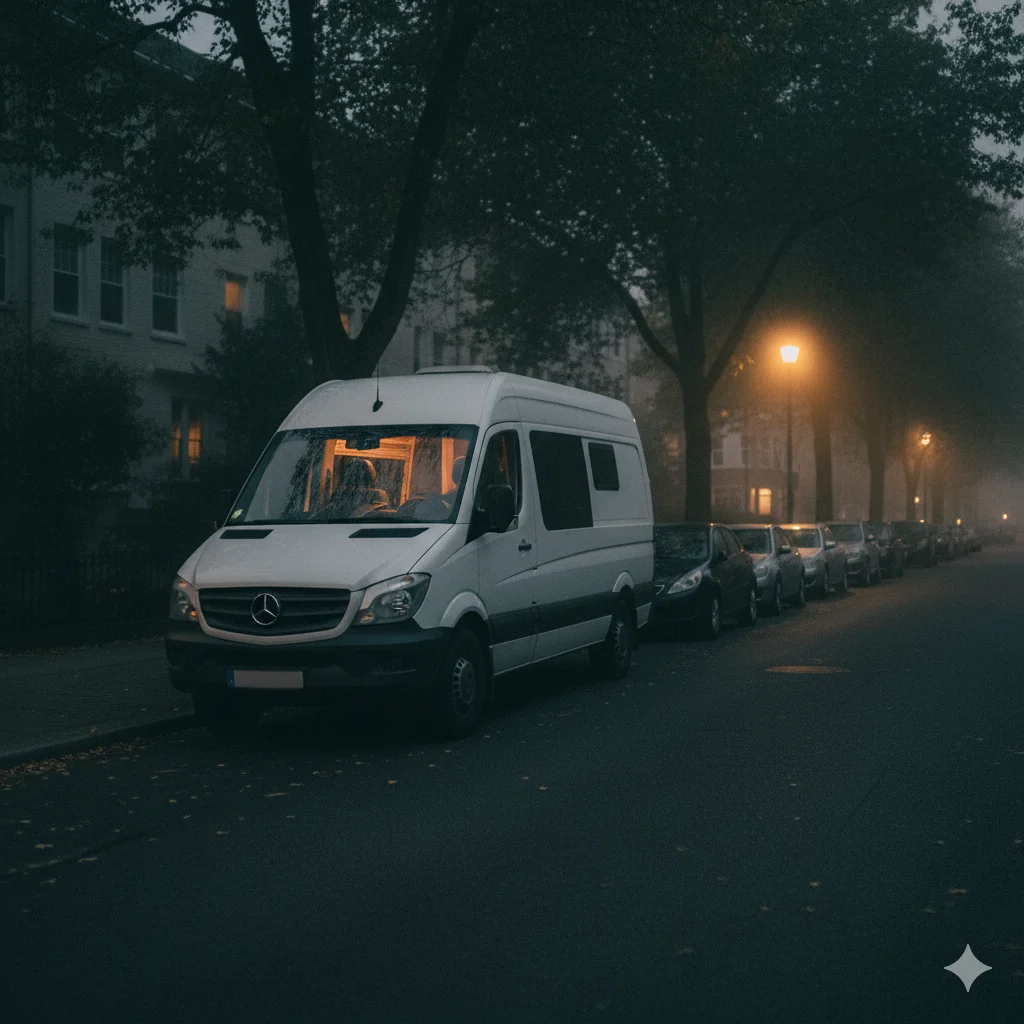
- If you’re camping in a van, keep it looking like a regular parked vehicle.
- Use neutral colors for tents or vehicles.
- Avoid roof racks, stickers, or gear that scream “camper.”
Pro Tip: Park among other vehicles for natural camouflage.
4. Mind Local Laws and Ordinances
Stealth camping can be illegal in some areas. Always check local parking regulations.
In some cities, overnight camping is only allowed in specific zones or private properties.
When in doubt, ask permission or move to a more remote area.
5. Stay Quiet and Invisible at Night
Noise is a giveaway.
- Avoid loud music or talking.
- Keep phones and lights dimmed.
- Don’t open and close doors repeatedly.
Motion attracts attention—so stay still once you’ve parked.
6. Use Window Covers for Privacy
Window covers or blackout curtains are essential for van or car stealth campers.
They prevent light from leaking out and give you privacy while you sleep.
DIY Tip: Reflectix or magnetic window covers work perfectly and can also provide insulation.
7. Keep Lights Dim and Warm
Use small, battery-powered lights with a warm hue instead of bright white LEDs. Warm lighting is less noticeable through window gaps and looks natural.
You can also use red light mode if available—it’s even less visible from outside.
8. Pack Light, Pack Smart
Only bring what you need. Excess gear not only clutters your vehicle or tent but also draws attention.
Focus on essentials:
- Sleeping bag or insulated blanket
- Portable stove or cold meals
- Power bank or small solar panel
- Compact water containers
Minimalism is key for successful stealth camping.
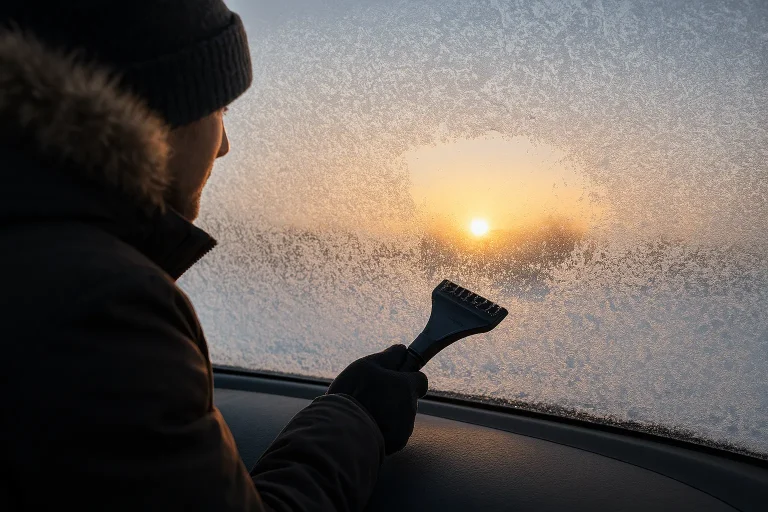
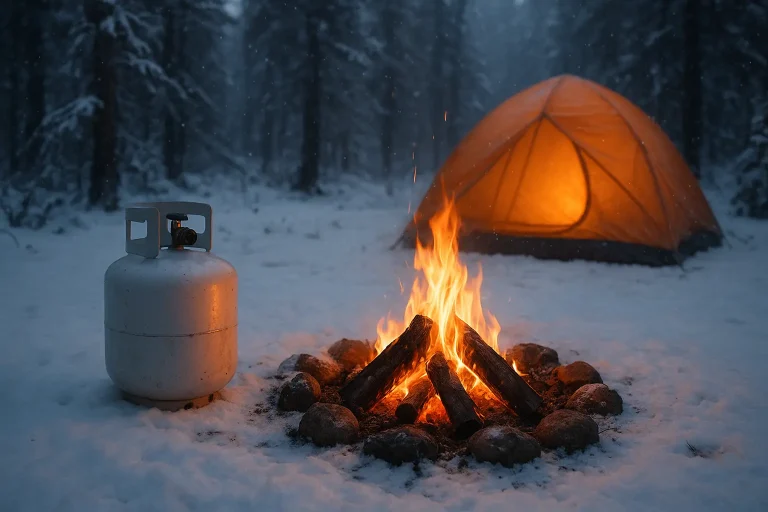
9. Be Prepared for All Weather
Stealth camping doesn’t always mean comfort. Be ready for changing temperatures and conditions.
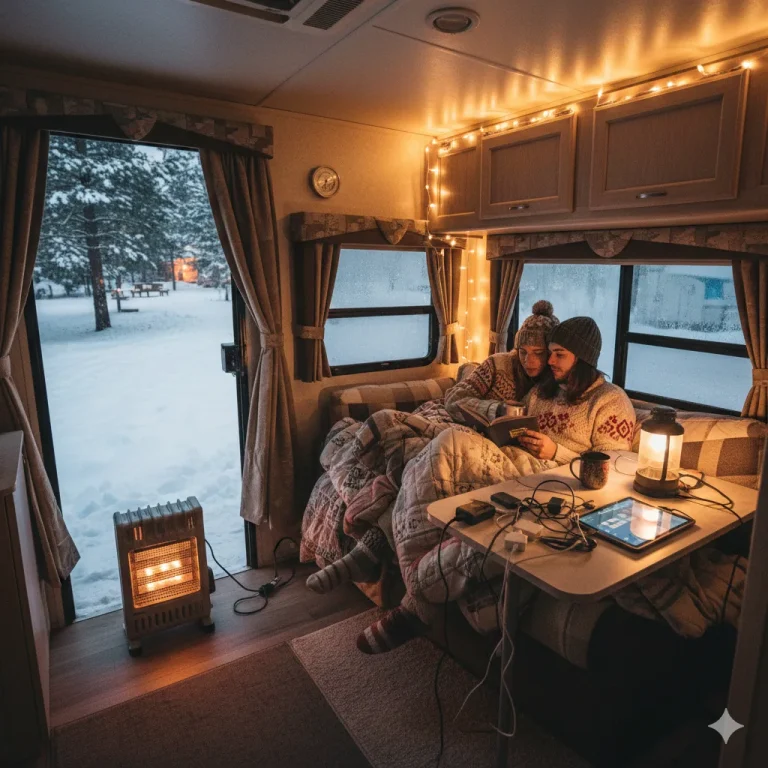
- In cold weather, insulate your sleeping area.
- In hot weather, crack windows slightly for ventilation.
- Keep a CO₂ detector if using heaters inside a van.
Safety first—comfort second.
10. Maintain Hygiene Discreetly
Hygiene can be tricky while stealth camping, but it’s manageable.
- Use gym memberships for showers.
- Carry biodegradable wipes for quick clean-ups.
- Have a small portable toilet or plan restroom stops.
Always respect local sanitation rules—never dump waste outdoors.
11. Cook Carefully and Control Odors
Cooking smells are another giveaway.
Opt for cold meals, pre-cooked food, or simple one-pot dishes. If cooking, do it before you park for the night or use odor-free stoves with good ventilation.
Tip: Keep all food sealed to prevent smells (and animals!).
12. Safety and Security Precautions
Safety is crucial in stealth camping.
- Always lock doors and keep keys close.
- Trust your gut—if something feels off, move on.
- Share your location with someone you trust.
- Carry a flashlight, pepper spray, or personal alarm.
You’re out to enjoy the experience—not take unnecessary risks.
13. Leave No Trace
Stealth camping should never leave evidence behind.
Pack out everything, including trash, and restore the site to its original state. This keeps the environment clean and maintains a good reputation for stealth campers everywhere.
14. Know When to Move On
Even the perfect spot isn’t meant for long stays.
Stay only one night per location. Regular movement helps you stay discreet and keeps things fresh.
If questioned, stay calm, polite, and honest. Often, a courteous attitude goes a long way.
Final Thoughts: Stealth Camping Is Freedom with Responsibility
Stealth camping can be one of the most liberating ways to travel—quiet mornings, hidden campsites, and self-reliant living. But with that freedom comes responsibility: respect the land, stay safe, and camp clean.
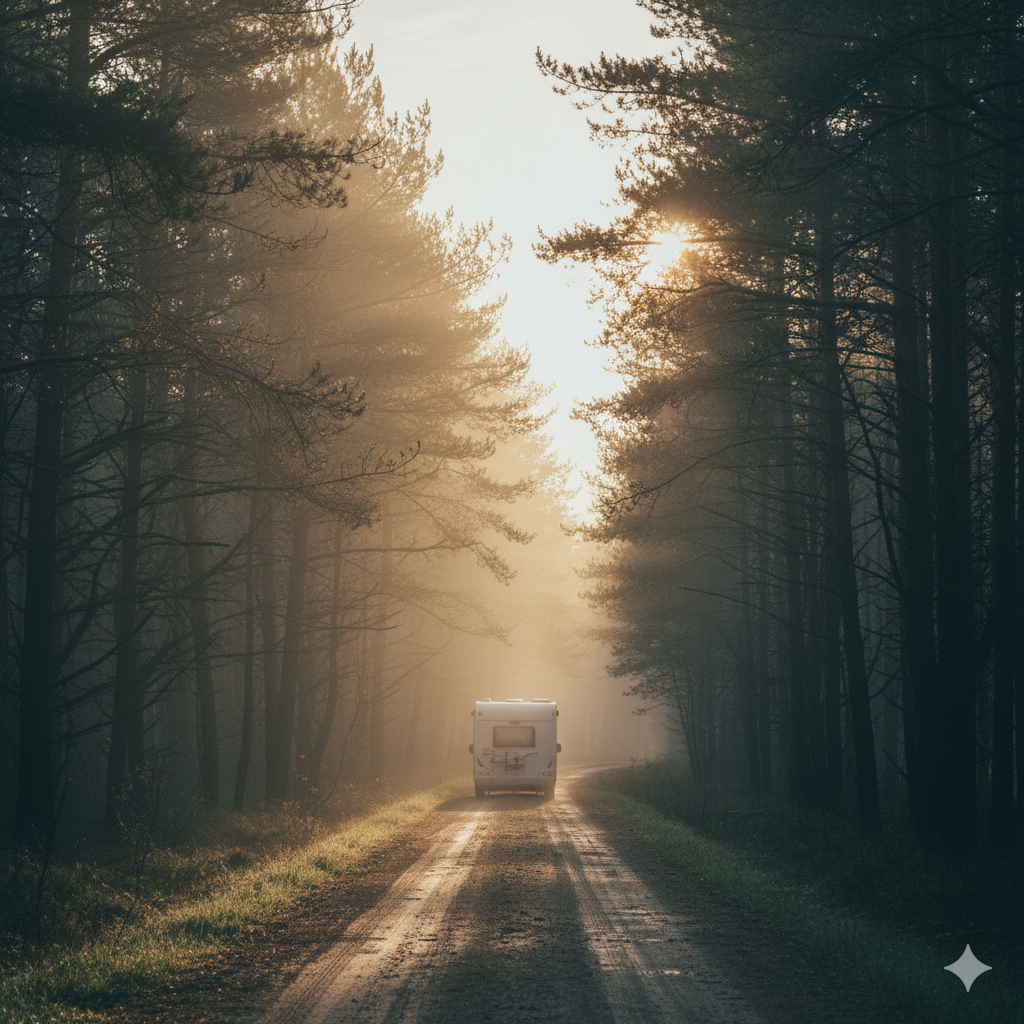
If done right, stealth camping isn’t just about hiding—it’s about harmonizing with your surroundings and finding peace in simplicity.