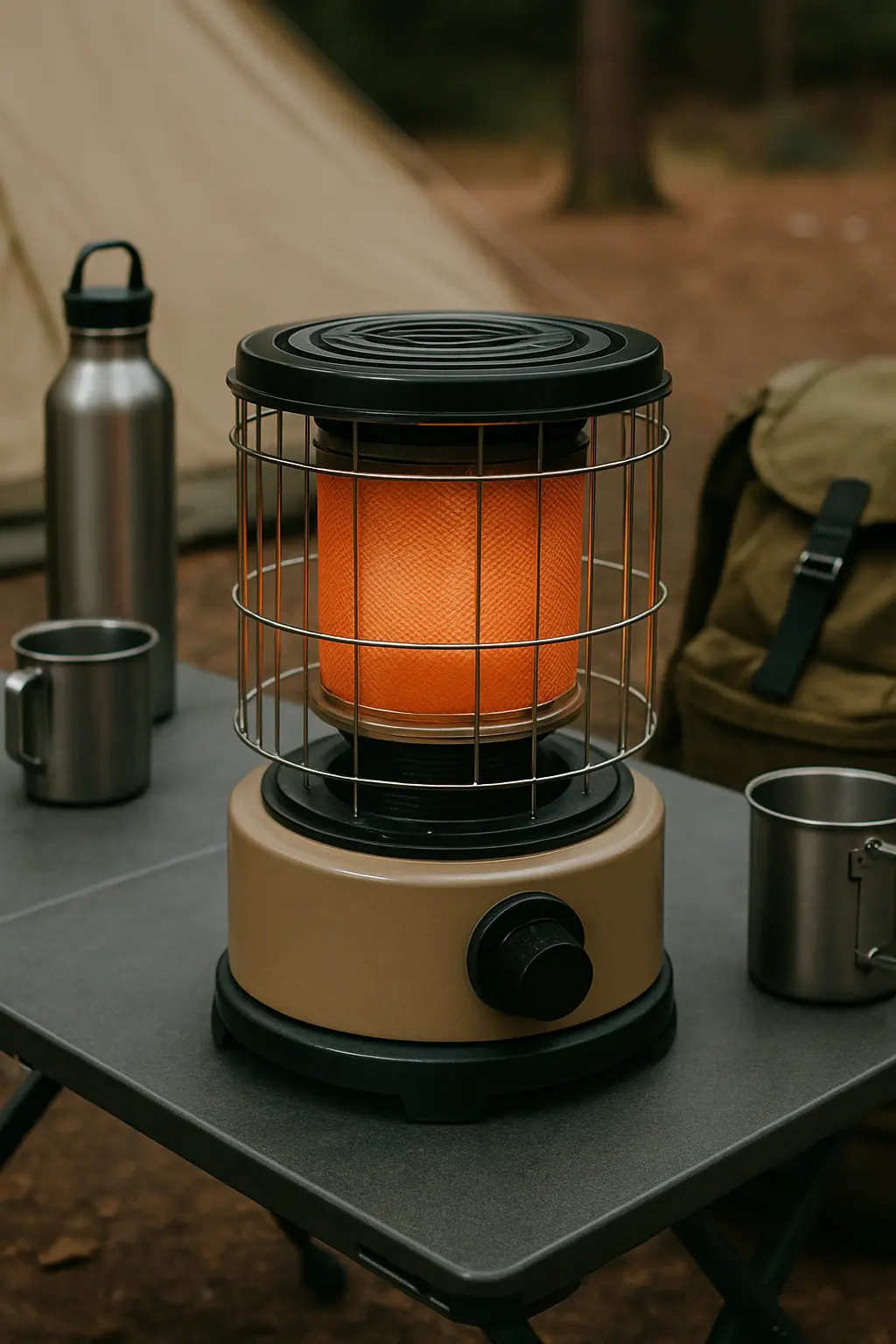
Are Propane Heaters Safe in a Tent? (4 Factors) 7 Safety Tips
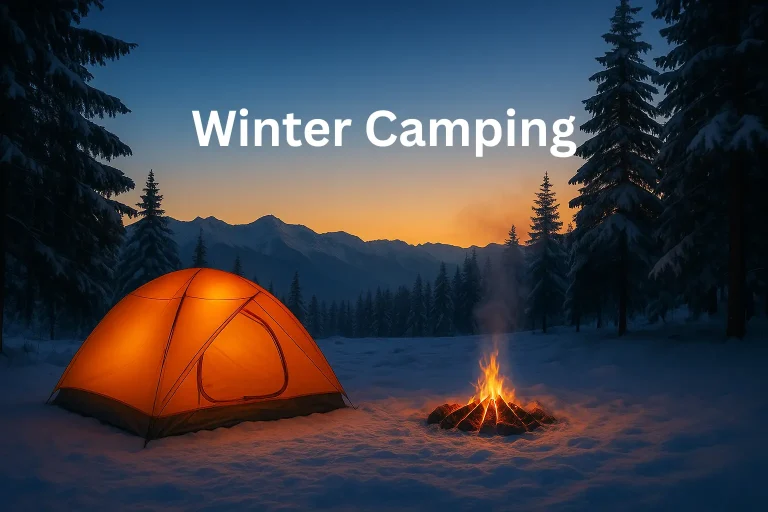
If you’ve ever gone camping on a frosty night, you know the struggle — layers of blankets, cold feet, and breath visible in the air. That’s when many campers ask the big question: Are propane heaters safe in a tent?
Propane heaters can turn a freezing night into a cozy, memorable camping experience. But they can also be dangerous if used carelessly. The key is understanding how these heaters work and how to use them responsibly.
In this guide, we’ll explore the four main factors that determine propane heater safety, plus seven essential safety tips every camper should know before firing one up inside a tent.
Understanding Propane Heaters and How They Work
Propane heaters burn propane gas to produce heat, making them ideal for camping because they’re portable and efficient. Most camping models are designed to be “indoor-safe” — meaning they have built-in safety features such as low-oxygen sensors and automatic shut-offs.
But even indoor-safe heaters can pose risks inside an enclosed tent. The main concerns are carbon monoxide buildup, oxygen depletion, burns, and fire hazards.
That doesn’t mean you can’t use one safely — it just means you need to take the right precautions.
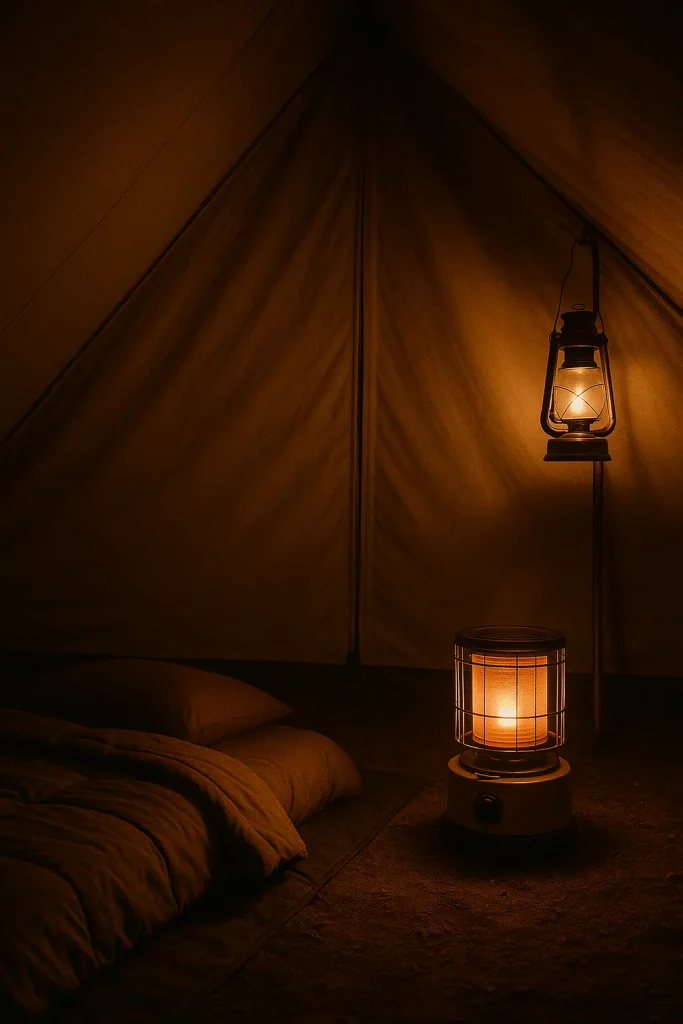
4 Factors That Affect Propane Heater Safety in Tents
1. Ventilation
Ventilation is the number one factor in propane heater safety. Without fresh air flow, carbon monoxide (CO) — a colorless, odorless gas — can accumulate and become deadly.
Always leave a small vent or window slightly open, even in freezing weather. A steady flow of oxygen ensures clean combustion and helps vent out CO buildup.
Pro tip: If you start feeling dizzy or lightheaded, shut off the heater immediately and move outside.
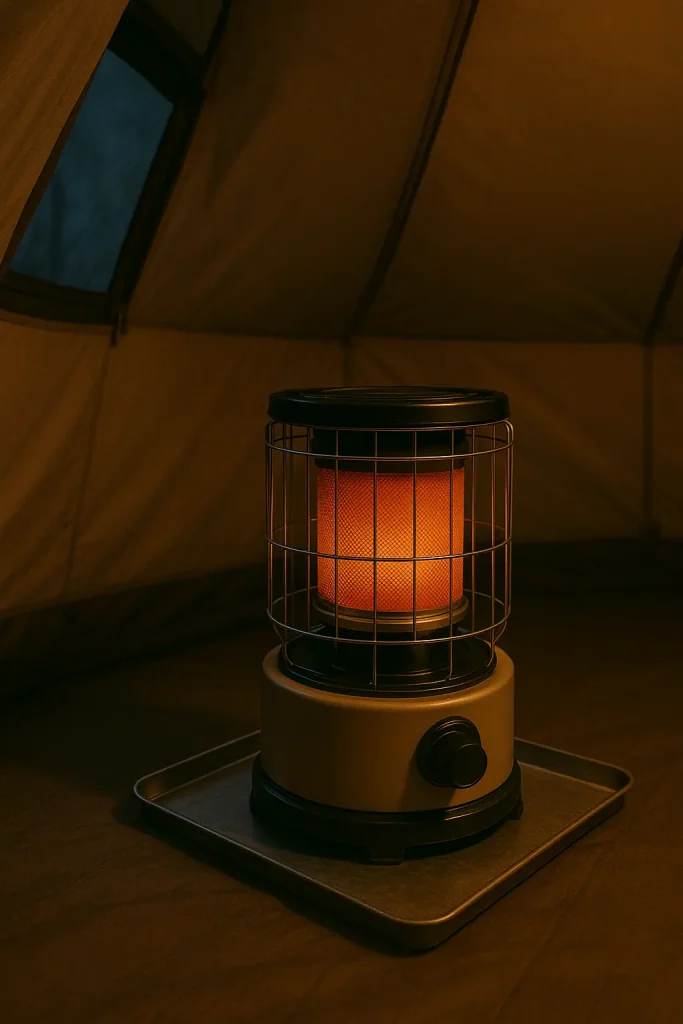
2. Heater Type
Not all propane heaters are created equal. There’s a big difference between indoor-safe and outdoor-only heaters.
Indoor-safe heaters (like the Mr. Heater Buddy series) are designed with CO sensors, tip-over shutoffs, and low-oxygen detectors. Outdoor models, however, lack these safety mechanisms.
If you’re heating your tent, always choose a model labeled “indoor-safe.” Never assume that all small heaters are safe just because they’re compact.
3. Tent Size and Material
A heater that’s safe in a large cabin tent might be dangerous in a tiny backpacking tent. The smaller the space, the faster it heats — and the quicker oxygen levels can drop.
Canvas and insulated tents handle propane heat better than thin nylon tents because they breathe more and resist melting. If your tent fabric feels thin or synthetic, keep the heater farther away from walls, sleeping bags, and gear.
4. Duration of Use
Leaving a propane heater running all night is never a good idea. Even with built-in sensors, accidents happen — vents get blocked, batteries fail, or heaters tip over.
Instead, run the heater before bed to warm up your space, then turn it off while you sleep. Use high-quality sleeping bags and insulated pads to stay warm through the night.
7 Safety Tips for Using Propane Heaters in a Tent
Once you’ve chosen the right heater and understand the risks, follow these tips to use it safely.
1. Choose an Indoor-Safe, CSA-Certified Model
Only use heaters marked “indoor-safe” and CSA-certified (Canadian Standards Association) or UL-certified (Underwriters Laboratories). These certifications ensure the heater meets strict safety standards.
2. Keep Proper Clearance
Maintain at least 2–3 feet of space between the heater and any object — especially tent walls, clothes, and sleeping bags. Heat rises and radiates, so even a small distance can prevent burns or fires.
3. Never Sleep with the Heater On
It might be tempting on icy nights, but leaving the heater on while you sleep is one of the leading causes of tent fires and CO poisoning. Warm up your tent before bedtime, then shut it off.
4. Ventilate, Always
Crack a window, unzip a flap, or open a roof vent slightly. You’ll lose a bit of heat but gain a massive safety margin. Even indoor-safe heaters need airflow.
5. Use a CO Detector
A battery-operated carbon monoxide detector is a small, inexpensive tool that can save lives. Mount it low to the ground (CO is slightly heavier than air) for accurate readings.
6. Place the Heater on a Flat, Stable Surface
Never set your propane heater on soft or uneven ground. Use a flat surface like a wooden board or a metal tray to keep it stable and prevent tipping.
7. Inspect Regularly and Store Safely
Before every trip, check your heater for dust, damage, or leaks. When not in use, disconnect the propane canister and store it outside the tent in a well-ventilated area.
Bonus: Safer Alternatives to Propane Heaters
If you’re still hesitant, there are great alternatives for keeping your tent warm:
- Electric tent heaters (when you have access to power)
- Catalytic heaters with low-oxygen sensors
- Hot water bottles or thermal packs
- Insulated sleeping bags and liners
These methods might not produce as much instant heat, but they’re much safer for overnight warmth.
Final Thoughts: Stay Warm, Stay Smart
So, are propane heaters safe in a tent? Yes — when used correctly. The key lies in understanding the four main factors (ventilation, heater type, tent size, and duration) and applying the seven safety tips we covered.
Camping in winter doesn’t have to mean shivering through the night. With preparation, smart gear, and awareness, you can enjoy cozy nights in your tent — safely and confidently.