Do Squirrels Hibernate? Discover How All Types Brave the Winter Cold
When the first frost hits and trees stand bare, you might notice the once-bustling squirrels suddenly disappear from your yard. It’s natural to wonder — do squirrels hibernate in the winter, or are they just hiding out somewhere cozy?
Squirrels are among the most recognizable and curious creatures in our neighborhoods. From darting across power lines to burying nuts in the fall, they always seem busy. But what happens to them when temperatures drop and food becomes scarce?
In this guide, we’ll explore how different types of squirrels handle the cold, what they eat, where they go, and how they survive even the harshest winters — without true hibernation.
Do Squirrels Hibernate in the Winter?
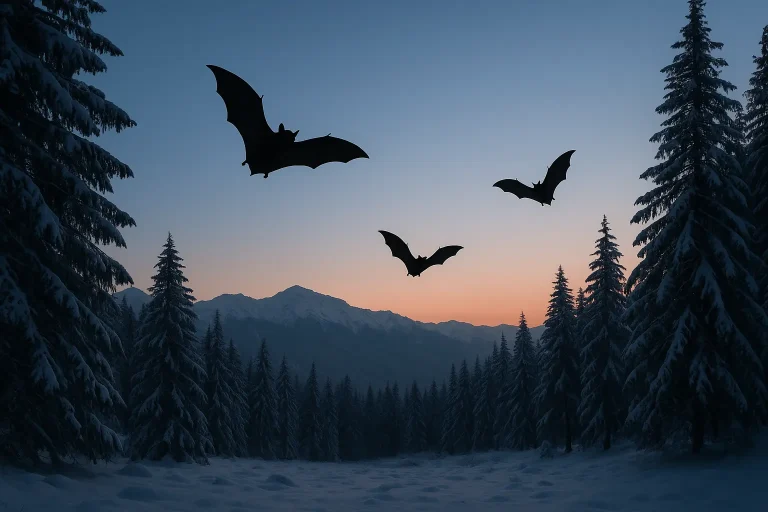
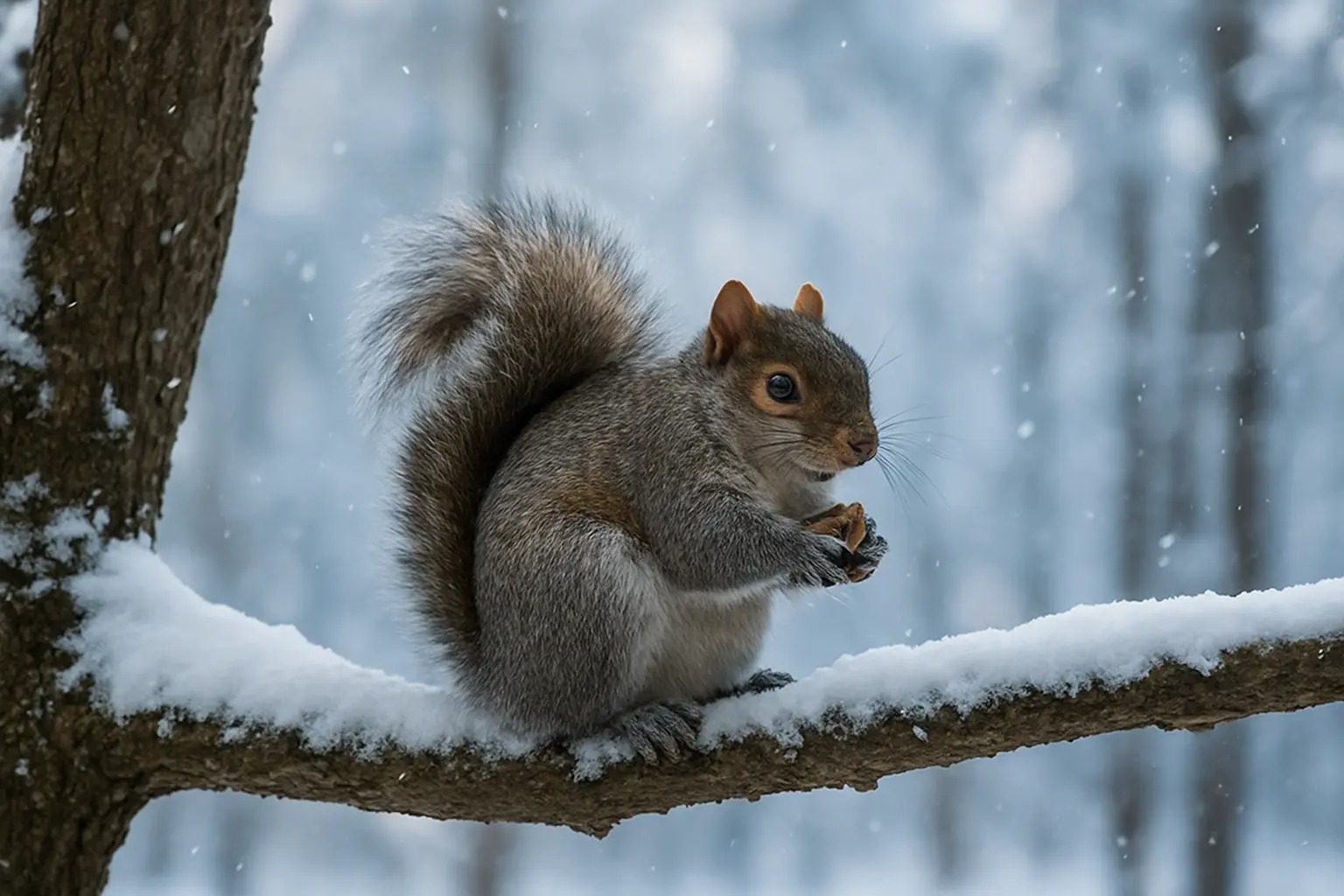
The short answer is no, most squirrels don’t hibernate in the traditional sense. Unlike bears or bats, squirrels remain active throughout winter — just in a much lower gear.
Instead of going into deep sleep for months, squirrels rely on preparation and adaptation. They spend autumn gathering food, building warm nests, and fattening up to face the cold months ahead.
However, how they survive winter depends on the type of squirrel. Let’s break it down.
1. Tree Squirrels: Masters of Winter Preparation
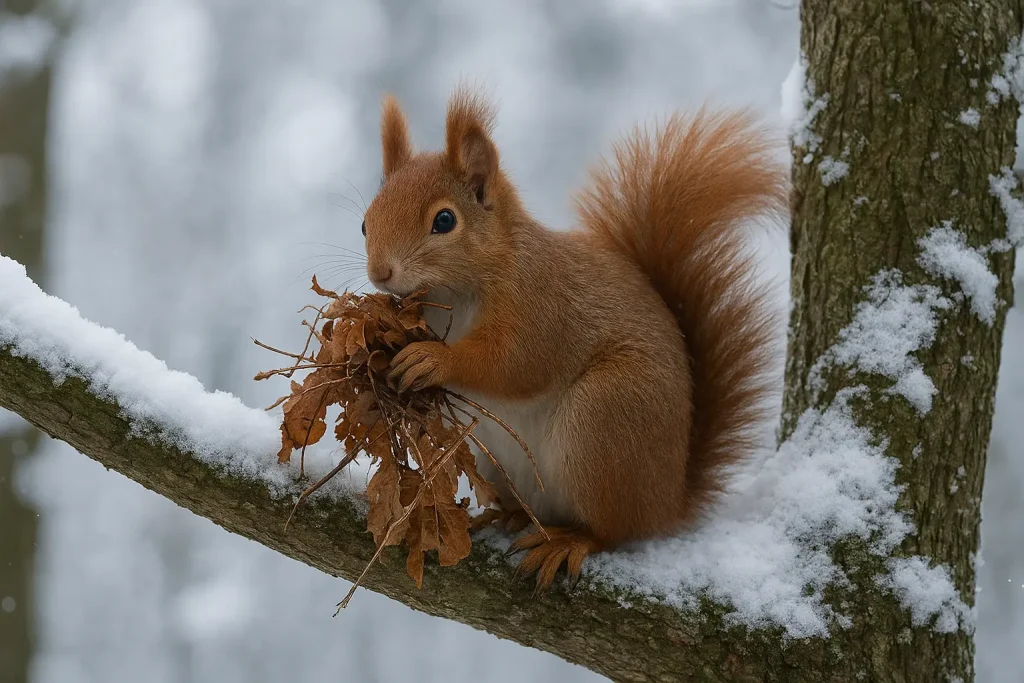
Tree squirrels — including gray squirrels, red squirrels, and fox squirrels — are the ones we most often see darting through parks and backyards.
When winter arrives, these squirrels don’t hibernate. Instead, they take a semi-sheltered approach called “winter resting.”
Here’s how they do it:
- Nest Building (Dreys): They construct insulated nests, or “dreys,” from leaves, twigs, and moss. These are often found high in trees or tucked in hollow trunks.
- Food Storage: During autumn, they bury nuts and seeds across their territory — a behavior called scatter hoarding. Thanks to their sharp memory and sense of smell, they can locate these caches even under snow.
- Reduced Activity: In the coldest months, they limit their movement, emerging only on milder days to feed and stretch.
While they don’t hibernate, their energy conservation tactics help them survive freezing temperatures without expending too much effort.
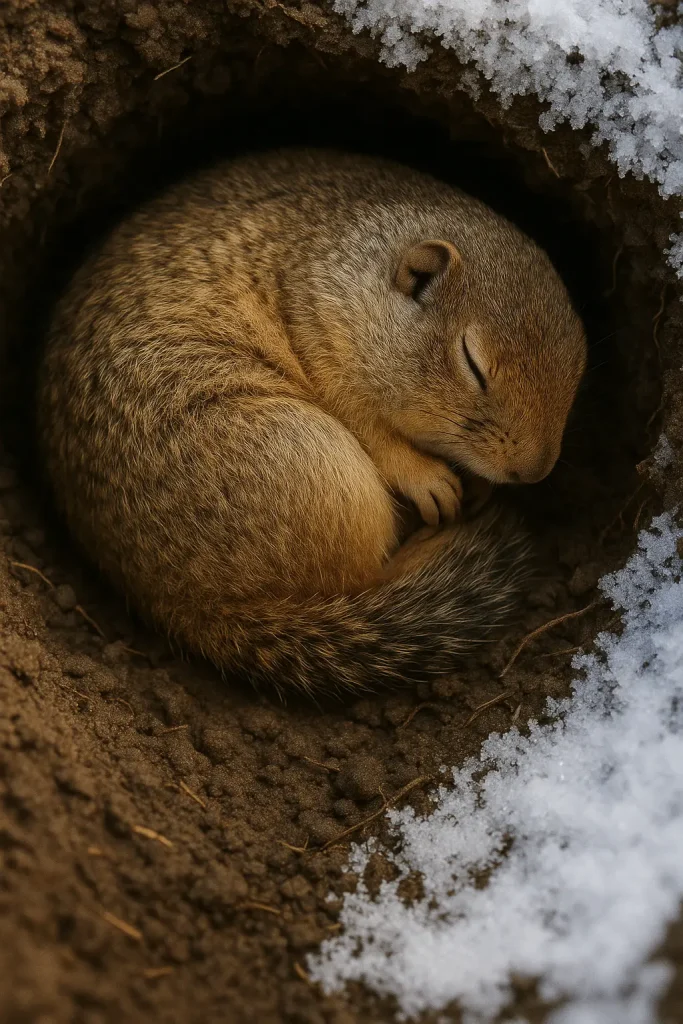
2. Ground Squirrels: The True Hibernators
Unlike their tree-dwelling cousins, ground squirrels take a different approach — they truly hibernate.
Species like the Arctic ground squirrel and California ground squirrel enter a deep state of hibernation for several months. Their body temperature drops drastically — sometimes close to freezing — and their heartbeat slows dramatically.
During hibernation:
- They remain underground in burrows insulated with grass and dirt.
- Their metabolism slows, allowing them to survive on stored fat.
- They occasionally wake briefly before returning to hibernation.
For ground squirrels, hibernation is essential to survival in areas where snow covers the ground for long periods and food is unavailable.
3. Flying Squirrels: Nighttime Survivors
Flying squirrels — known for their ability to glide from tree to tree — have their own winter strategy.
These small, nocturnal mammals don’t hibernate either. Instead, they use warmth, teamwork, and clever nesting to get through the season.
Their winter tactics include:
- Communal Nesting: Multiple flying squirrels will share one tree cavity or nest, huddling together for warmth.
- Thick Winter Fur: Their dense fur and patagium (gliding membrane) act as insulation.
- Limited Foraging: They still venture out on warmer nights to find cached nuts, fungi, or seeds.
Their group behavior and efficient energy use make them some of winter’s quietest but most resilient creatures.
What Squirrels Eat During Winter
Even with snow on the ground, squirrels don’t go hungry — at least not if they planned well.
They rely heavily on the food they stored in autumn, but they’ll also search for other resources like:
- Tree bark and buds
- Pine cones and acorns
- Seeds from bird feeders
- Leftover garden produce or compost scraps
You might even see squirrels visiting your bird feeder in winter, using it as an easy calorie source when supplies run low.
Where Squirrels Sleep and Stay Warm
To make it through freezing nights, squirrels depend on well-insulated nests or burrows.
- Tree Squirrels: Use leaf nests or tree cavities lined with moss, feathers, and shredded bark.
- Ground Squirrels: Hibernate deep underground where the soil stays above freezing.
- Flying Squirrels: Gather in tree hollows with others, conserving warmth through shared body heat.
These cozy shelters protect them not only from the cold but also from predators such as owls, foxes, and domestic cats.
How to Coexist with Squirrels During Winter
Squirrels can be amusing neighbors — but they can also be persistent when looking for warmth or food.
To keep your home safe while respecting these animals:
- Seal entry points: Close gaps in attics, eaves, or chimneys before winter.
- Use squirrel-proof bird feeders: They’ll still try, but deterrent designs reduce access.
- Don’t overfeed: Occasional treats like corn or nuts are fine, but too much can make them dependent.
If a squirrel accidentally ends up in your attic, contact a wildlife removal professional rather than attempting to trap or harm it. Humane exclusion ensures they find a better, natural shelter.
Final Thoughts: Smart, Resourceful, and Always Prepared
So, do squirrels hibernate in the winter? Not really — at least, not most of them. Tree and flying squirrels remain active year-round, relying on stored food, thick nests, and careful planning. Only certain ground squirrels truly hibernate.
Their adaptability, memory, and survival instincts are what make them such fascinating creatures. Whether bounding through snow or sleeping in a cozy drey, squirrels remind us that preparation — not sleep — is the key to enduring the cold.
Next time you see one scampering across your yard in midwinter, you’ll know they’re not hibernating — they’re thriving.