Do Raccoons Hibernate in the Winter? 3 Ways They Survive the Cold
When the temperature drops and snow begins to fall, many homeowners start to wonder what happens to the raccoons that roam around their yards during warmer months. Do raccoons hibernate in the winter like bears? Or do they find another way to cope with the cold?
The truth is, raccoons are not true hibernators—but they have fascinating ways of surviving harsh winters. Understanding their behavior can help you coexist with these intelligent creatures and prevent them from turning your deck, attic, or shed into a winter den.
In this detailed guide, we’ll explore what raccoons really do in winter, how they stay alive in freezing temperatures, and the best humane ways to keep them from nesting too close to home.
Understanding Raccoon Behavior in Winter
Raccoons are incredibly adaptable animals found across North America. Their intelligence and resourcefulness allow them to survive in a wide variety of habitats—from forests to busy urban neighborhoods.
In the warmer months, raccoons are active mostly at night, searching for food such as fruits, nuts, insects, and small animals. However, once temperatures begin to drop, food sources become scarce. That’s when raccoons start preparing for survival mode.
But do raccoons hibernate in the winter? Not exactly. Instead, they enter a state known as torpor, a kind of light hibernation that allows them to conserve energy without fully shutting down their body systems.
During torpor, raccoons sleep for days or even weeks at a time, relying on their fat reserves to stay alive. When the weather briefly warms up, they wake to search for food, then retreat to rest again when temperatures fall.
Do Raccoons Hibernate in the Winter?
While the word “hibernate” often comes to mind when we think about animals disappearing in winter, raccoons don’t hibernate in the traditional sense. True hibernation means an animal’s body temperature and metabolism drop dramatically for months on end—like bears or groundhogs.
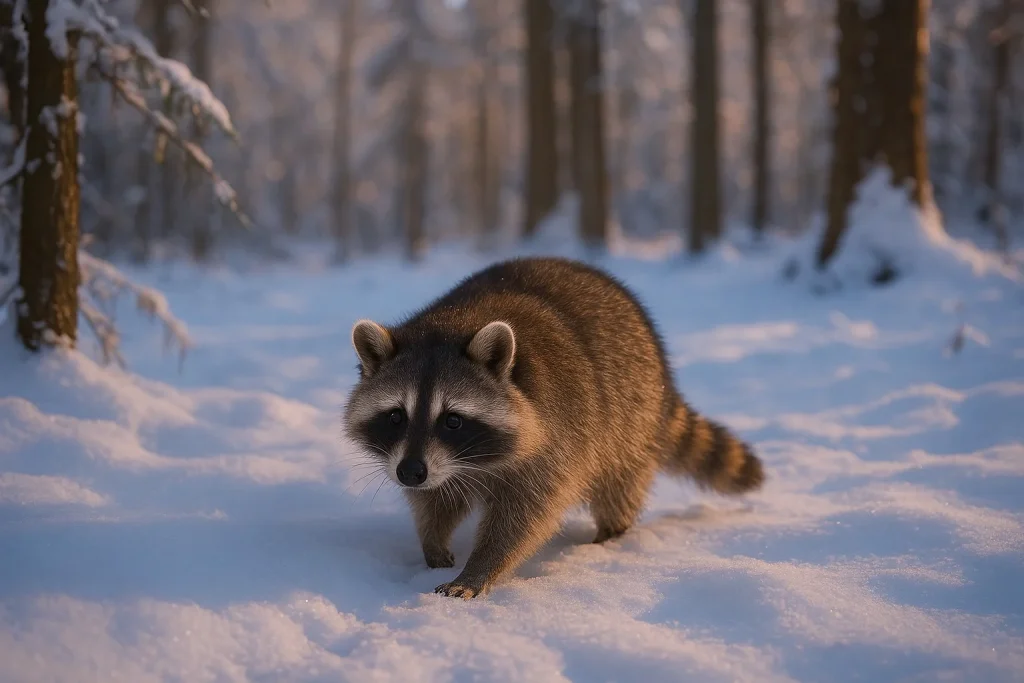
Raccoons, however, simply slow down. They may remain inactive during cold spells but can quickly wake up when temperatures rise. This flexibility helps them adapt to unpredictable winter conditions.
If you live in a mild or urban area, you may even spot raccoons during winter nights rummaging through garbage cans, bird feeders, or pet food bowls. Their thick fur and body fat help protect them from the chill.
So, while raccoons don’t hibernate completely, they are excellent at energy management—resting when necessary and foraging only when it’s safe.
3 Ways Raccoons Survive the Cold
Even without hibernation, raccoons have developed several survival strategies that keep them warm and alive during freezing months.
1. Finding Warm, Hidden Dens
Raccoons seek out sheltered, dry spaces to stay safe from snow, wind, and predators. Common den sites include:
- Hollow trees or logs
- Abandoned animal burrows
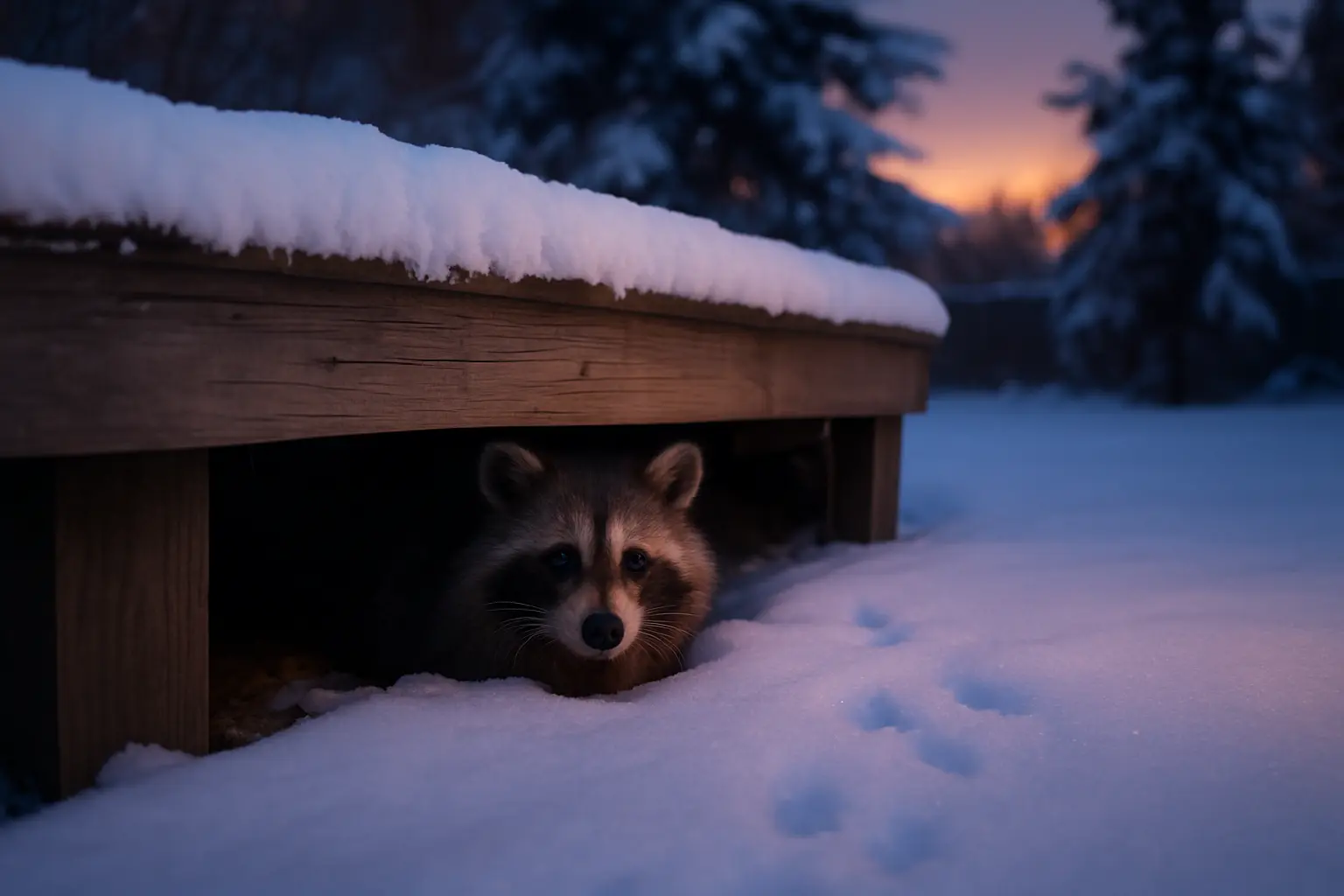
- Spaces under decks, porches, or sheds
- Attics, chimneys, or barns
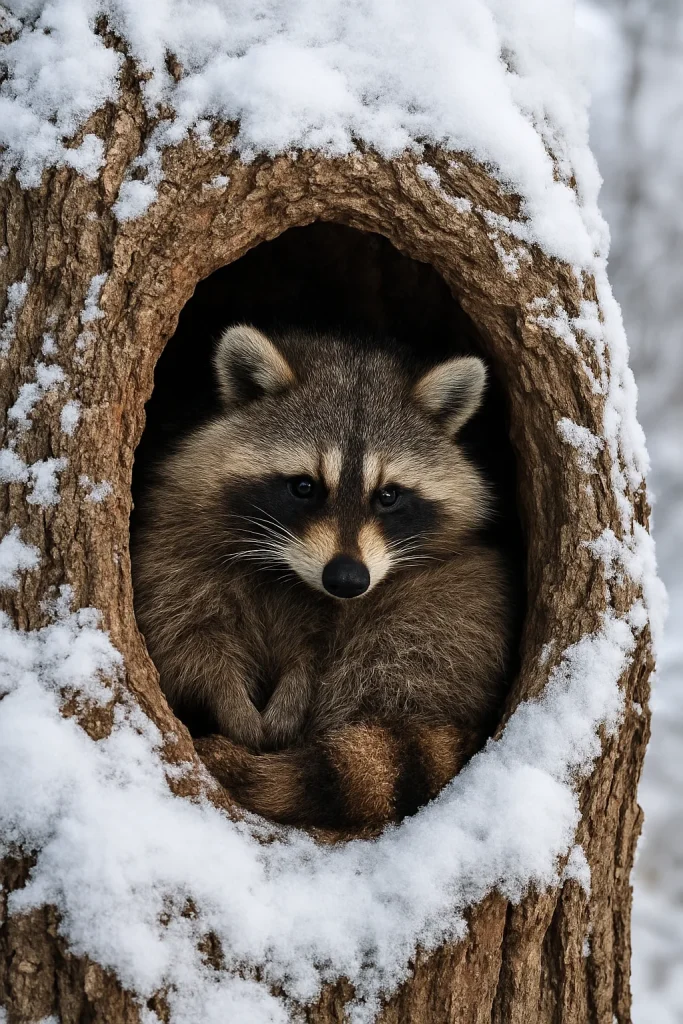
In colder regions, raccoons may even share dens with others for warmth. A group of raccoons huddled together can maintain body heat much more effectively than one alone.
If your property has easy entry points—like open vents, crawl spaces, or loose deck boards—you may unknowingly offer a perfect winter shelter.
2. Storing Fat for Energy
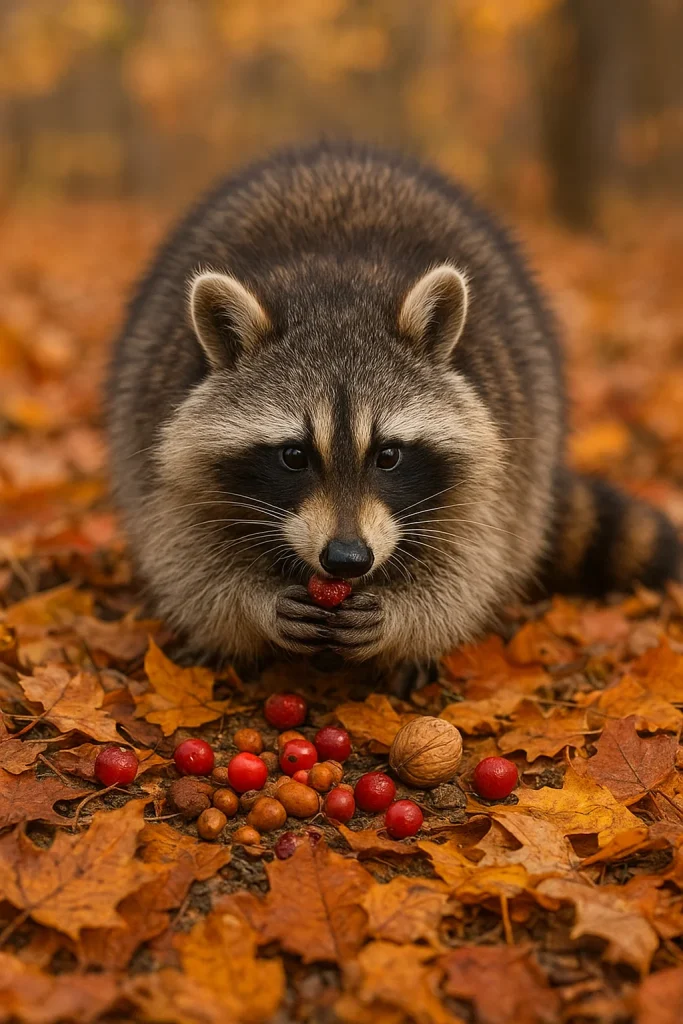
Raccoons begin preparing for winter long before the first snow falls. During late summer and autumn, they dramatically increase their food intake to build up fat reserves.
They consume high-calorie foods such as nuts, fruits, corn, and small animals, sometimes gaining up to 50 percent more body weight by late fall.
This stored fat acts as both insulation and an internal energy supply during long inactive periods. Even if they don’t eat for several days or weeks, these reserves keep them going until food becomes available again.
3. Adapting Their Behavior
Perhaps the most impressive aspect of raccoon survival is how they adjust their habits.
During the winter, raccoons:
- Reduce physical activity to save energy
- Forage only during mild weather
- Remember and revisit reliable food sources
- Use multiple dens for safety and warmth
This ability to adapt makes raccoons remarkably resilient. It also explains why they often thrive near human homes—our structures and trash provide warmth and food opportunities even in winter.
Why Raccoons Might Choose Your Property
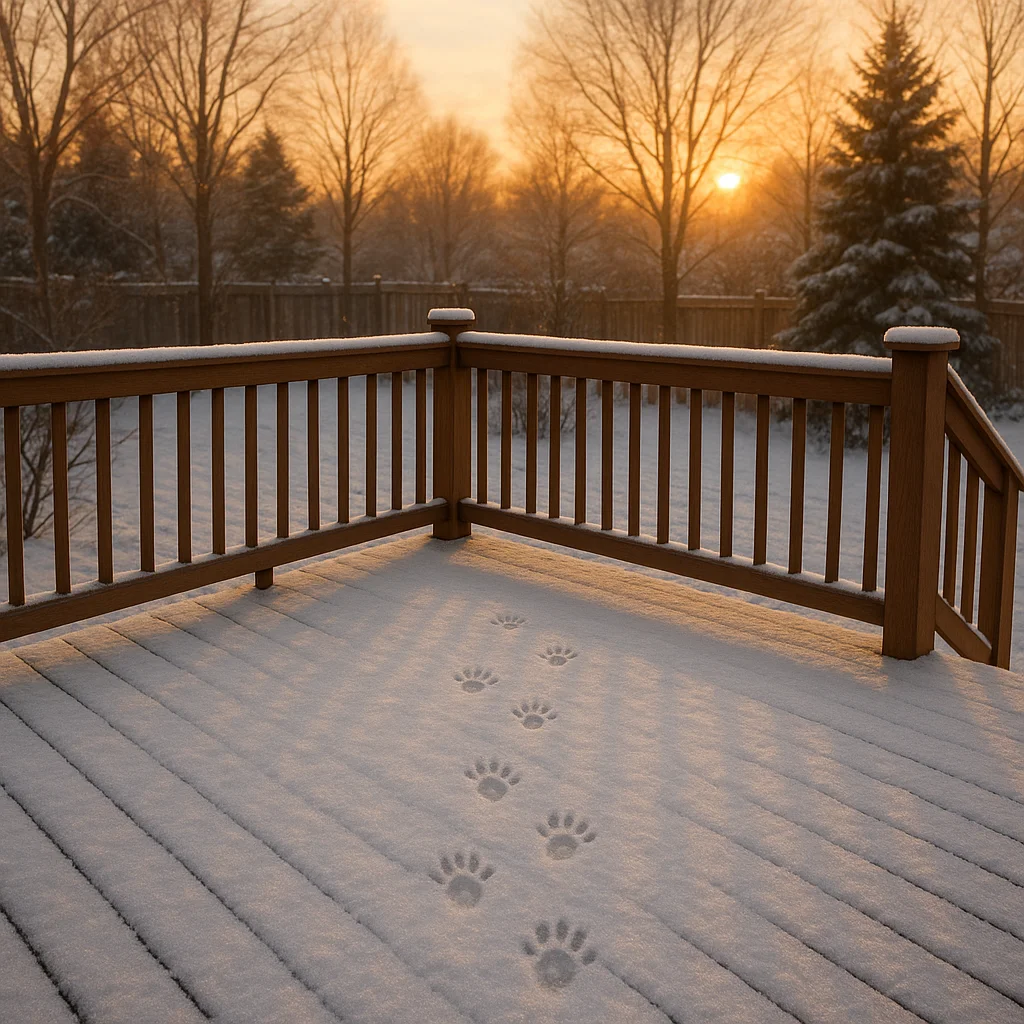
If you’ve ever noticed strange noises under your deck or in your attic during winter, there’s a good chance a raccoon is taking shelter nearby.
Raccoons are drawn to spots that provide warmth, safety, and easy access to food. Warm air escaping from your foundation, crawl space, or vent can make your property an inviting refuge.
To prevent winter visitors:
- Seal openings under decks, attics, and crawl spaces with metal mesh.
- Secure trash bins with tight-fitting lids or bungee cords.
- Remove pet food at night.
- Trim branches near your roof to block access routes.
Taking these simple steps keeps raccoons—and other wildlife—from making your home theirs.
How to Coexist with Raccoons Humanely
Raccoons play a valuable role in local ecosystems by cleaning up organic waste and controlling insects. Instead of seeing them as pests, think of them as wild neighbors who need guidance—not punishment.
If raccoons have already moved in, avoid using traps or poisons. Many regions have wildlife protection laws that make harming them illegal. Instead, use humane deterrents such as:
- Motion-activated lights or sprinklers
- Radios or ultrasonic noise devices
- Natural repellents like peppermint or predator scent
These methods encourage raccoons to relocate on their own while keeping your property safe.
Final Thoughts: Smart Survivors, Not Sleepers
So, do raccoons hibernate in the winter? Not in the true sense. Instead, they rest strategically, store fat, and use clever survival tactics to endure the cold.
Their ability to adapt to harsh environments proves just how intelligent and resilient these creatures are. With a few preventive measures and a bit of understanding, you can keep your home raccoon-free while allowing these remarkable animals to thrive in their natural habitat.