Essential Guide on How to Heat an RV Without Propane: Proven Methods for Cozy Winter Camping
Winter camping in an RV brings a special kind of freedom—but it also demands smart heating solutions. If you’re looking to heat an RV without propane, you’re in the right place. Propane furnaces are common and reliable, yet there are times when propane isn’t available, too costly, or you simply want a cleaner, quieter alternative. In this “Ultimate Guide to Heating an RV Without Propane,” we’ll walk through practical methods, key insulation upgrades, safety considerations and step-by-step strategies that let you stay warm and comfortable no matter how cold it gets outside.
1. Why Heat Without Propane?
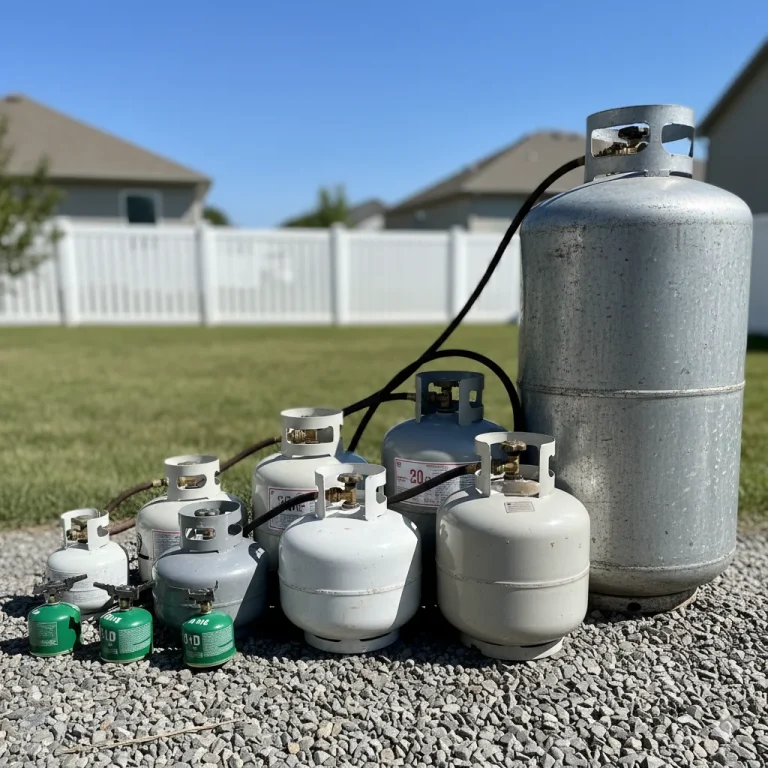
Propane heating has been a staple in the RV world—but it comes with limitations:
- You may run out of propane tanks or find a refill station unavailable.
- Propane systems often introduce moisture into the RV interior, which can increase risk of condensation, mold or chill.
- Propane costs and logistics can be inconvenient when boondocking or in remote winter sites.
Switching or supplementing with other methods gives you flexibility and often quieter, cleaner warmth. That brings us into how to heat an RV without propane by using alternative systems.
2. Electric Heating Options (When Shore Power is Available)
If your campsite or hookup provides reliable electricity, you have excellent choices to heat your RV without propane.
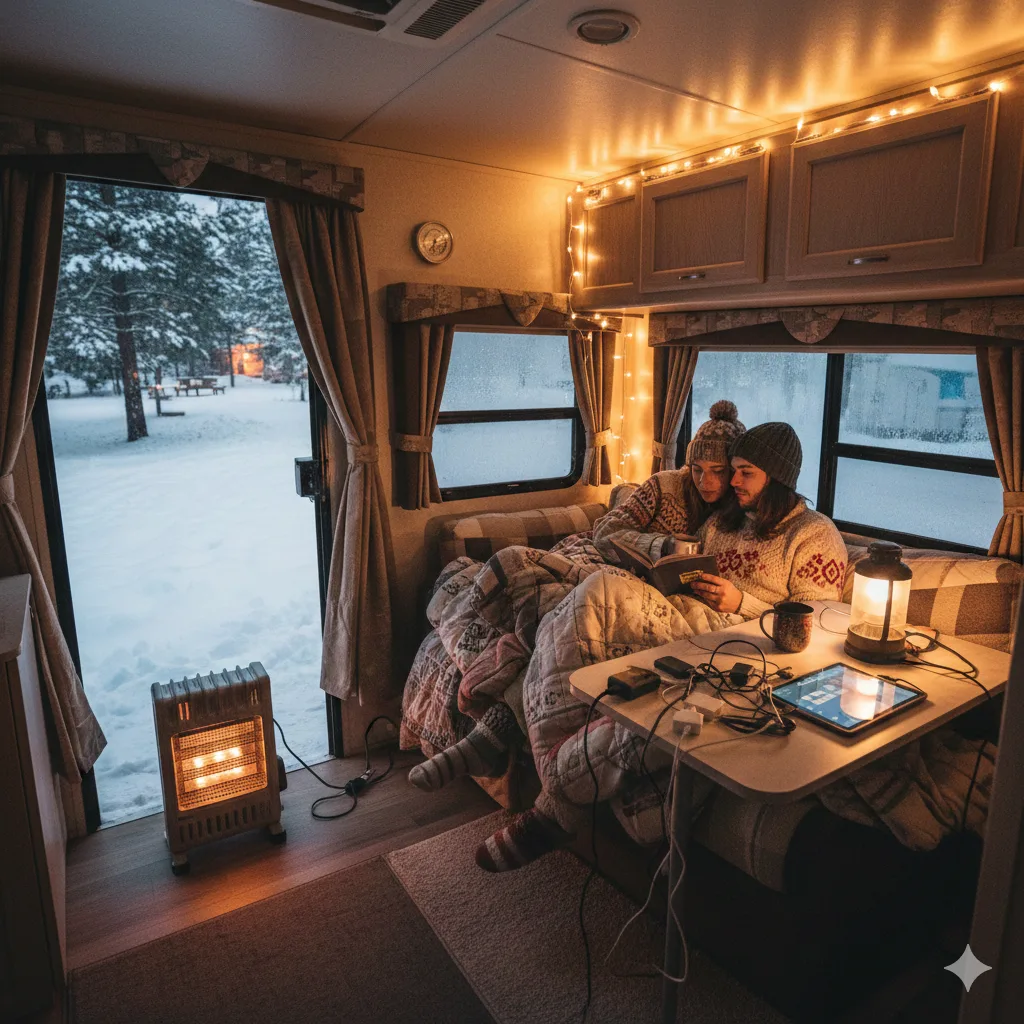
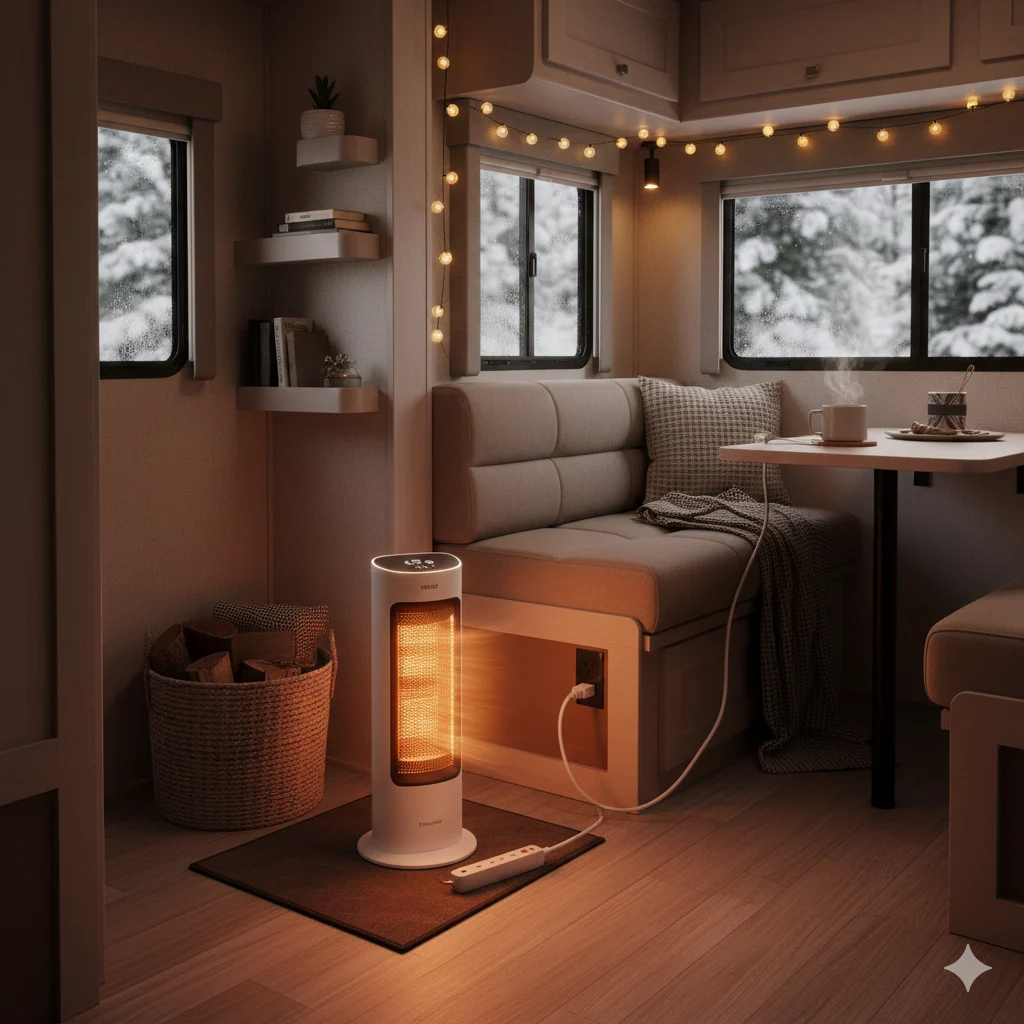
a. Ceramic space heaters. These plug-in units are widely available and come in two main types: convection (fan-based) and radiant (object-heating). Use a model rated for your space size and always follow safety rules: keep 3 ft clear around the heater, and never drape linens or clothing over it.
b. Oil-filled heaters. Quiet, electric, and controlled via thermostat, these units gradually warm the air and maintain it with minimal fuss.
c. Infrared heaters. These broadcast heat toward objects rather than just the air, which can be efficient in an RV’s compact space—especially for occupant zones.
Tips:
- Choose the right wattage for your RV’s electrical circuit to avoid tripping breakers.
- Place heaters on stable, level surfaces.
- Use timers or thermostats to avoid overheating and conserve power.
By choosing electric heating carefully, you can comfortably heat an RV without propane—provided power is available and safe.
3. Alternative Fuel Methods (No Propane, No Shore Power)
What about when propane is off the table and electricity is limited? Then you’ll want to consider alternative fuel methods—for when you’re off-grid, boondocking, or simply going full winter mode.
a. Diesel or gas heaters. Some RVs include built-in diesel heaters; aftermarket units also exist. One advantage: they provide dry heat (less humidity), are efficient, and run from your RV’s fuel tank or a separate fuel source. For example, one user noted a gas or diesel heater kept a Class C motorhome warm for 24 hours using just one gallon of fuel.
b. Kerosene heaters. These can be effective, but require proper ventilation and safety measures—because fumes and carbon monoxide must be managed.
c. Wood stoves. Yes—some RVers install compact wood stoves. While charming and effective, they bring challenges: ash disposal, wood storage, chimney routing, fire-safety compliance.
If you’re serious about heating an RV without propane and without shore power, these fuel options deliver—but you must plan for fuel storage, ventilation, installation cost, maintenance and safety.
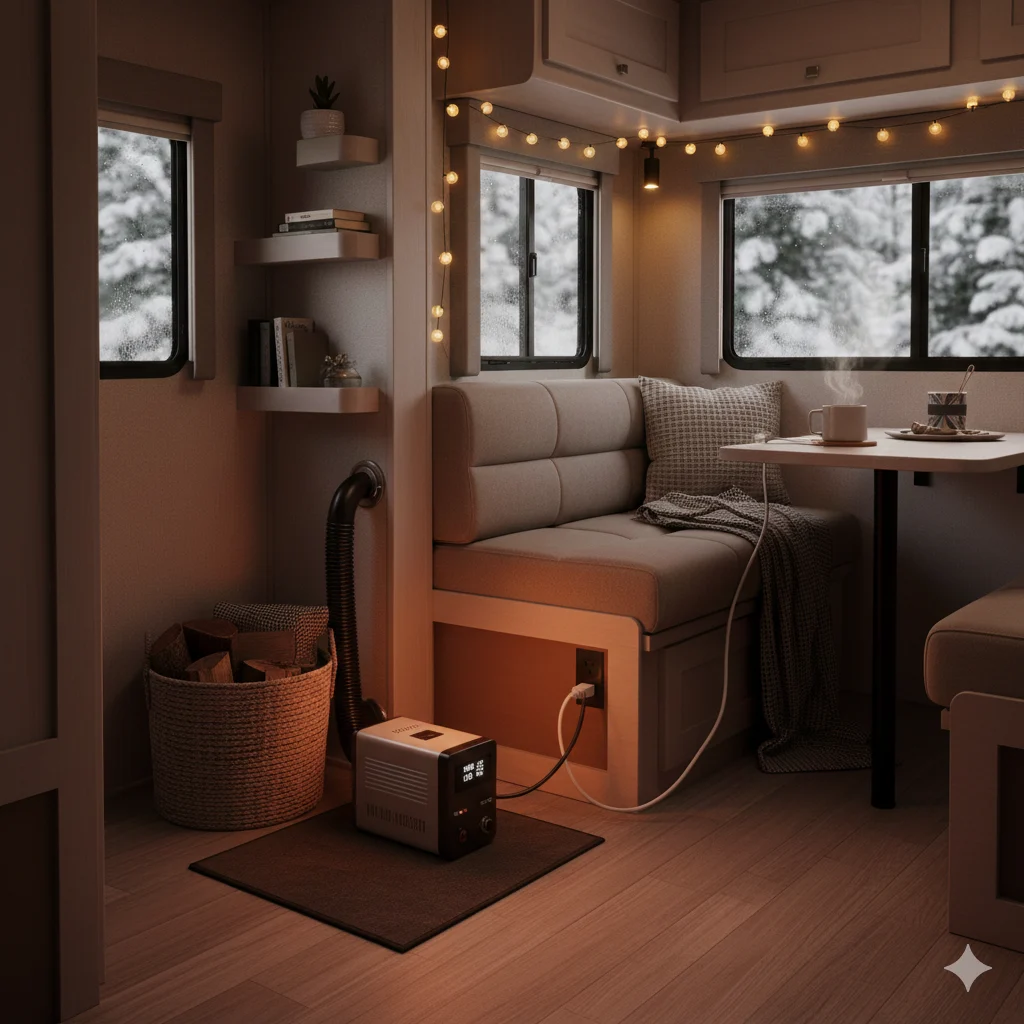
4. Locking in the Heat: Insulation & Draft Prevention
Heating systems are only half the battle. To heat an RV without propane effectively, you must prevent heat loss in the first place.
- Check windows and doors: reseal weather-stripping, caulking, and replace older windows if feasible.
- Consider an RV skirt: When parked for an extended period, installing a skirt around the undercarriage blocks cold drafts and rising cold air under the camper.
- Use rugs, insulated curtains, and heavy bedding: Soft furnishings and thermal fabrics help retain warmth.
- Improve wall and floor insulation if possible: Use foam board or spray foam in accessible cavities for a long-term upgrade.
By combining good insulation with efficient heating, you’ll keep your energy usage down and your comfort up.
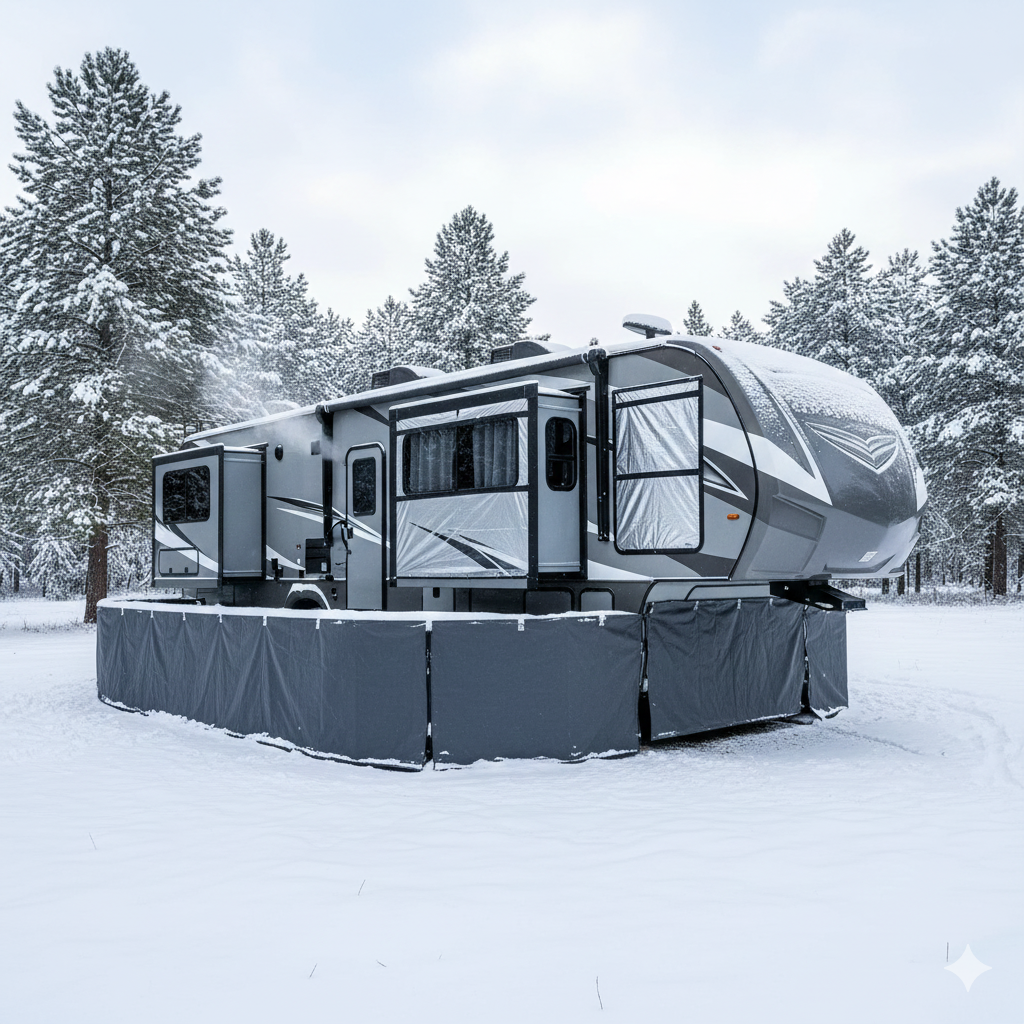
5. Smart Habits & Supplementary Warmth
Even the best heater needs good habits behind it. Here’s how you stay warm without over-relying on fuel or power:
- Dress in layers and wear insulated socks/shoes even indoors.
- Use a hot-water bottle at night or an electric blanket (when power allows).
- Close off unused zones/spaces in your RV to concentrate heat where you need it.
- Monitor humidity—too low can feel colder; use a humidor or small humidifier if needed.
These little practices make a difference in how warm your RV feels—especially when you’re using non-propane heating methods.
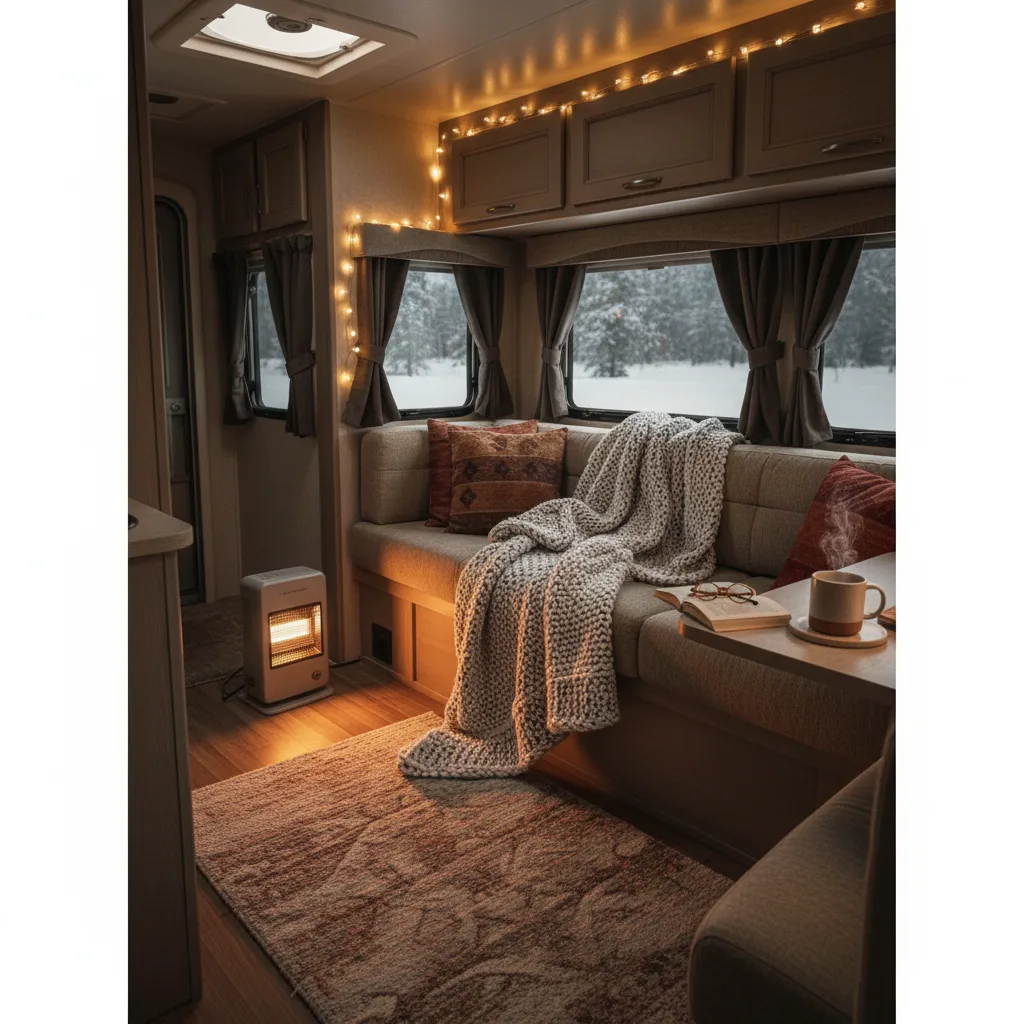
6. Safety Considerations & Best Practices
Regardless of method, safety is paramount. Especially when you’re using heaters, fuel-burning devices or modifying your RV’s structure.
- If using portable electric heaters: ensure they are UL-listed, have tip-over protection, and never leave them running unattended for long periods.
- If using fuel combustion (diesel, kerosene, wood): ensure proper ventilation, install carbon-monoxide and smoke detectors, maintain clearances, and follow manufacturer installation guidelines.
- Always keep a fire extinguisher accessible.
Heating an RV without propane is entirely feasible—but only when done with caution and respect for the risks.
7. Choosing the Right Solution for Your Setup
Here’s a quick comparison to help you decide:
| Scenario | Best Option(s) | Why |
|---|---|---|
| Hookup with reliable power | Electric space/oil/infrared heaters | Easy to use, minimal installation |
| Off-grid or limited power | Diesel/gas heater, kerosene | Independent of shore electric |
| Stationary setup for long stay | Wood stove or enhanced insulation | Economical and cozy over time |
| Low budget + simple solution | Layered clothing + rugs + insulated curtains | Minimal cost, good comfort boost |
Tailor your solution to your RV type (travel trailer, fifth wheel, motorhome), camping style (moving vs stationary) and budget.
8. Maintenance & Pre-Season Checklist
Before the cold hits, run through this checklist:
- Inspect heater units (electric or combustion) for cleanliness, wiring, and functionality.
- Test carbon monoxide & smoke detectors; replace batteries.
- Reseal windows/doors and inspect skirting if installed.
- Clean or replace filters in any heating units or ventilation systems.
- Stock extra fuel (diesel, kerosene, wood) if using non-propane alternative heating.
- Have a backup plan: blankets, portable heater, power bank.
Taking a pre-season approach means less stress when you’re settled into a winter destination.
9. Real-World Tips from Experienced RVers
- One veteran noted: using a diesel heater gave “dry, comfortable heat without the propane smell or moisture.”
- Another shared: “installing an RV skirt dramatically reduced under-floor cold drafts—it made the difference between shivering and staying cozy.”
- Many emphasise layering: sometimes the warmest nights come from good insulation + warm clothing rather than maxing the heater.
Hearing from people in the field is a reminder that heat an RV without propane isn’t just theory—it’s proven in practice.
Conclusion
Heating an RV without propane isn’t just possible—it can be smart, flexible and cost-effective. Whether you opt for electric heaters, diesel-based systems, wood stoves or insulation upgrades, your success comes down to:
- Selecting the right heating technology for your setup.
- Shutting off heat loss with insulation, skirting and smart habits.
- Prioritising safety and maintenance from the get-go.
Follow this “Ultimate Guide to Heating an RV Without Propane,” and you’ll be ready to enjoy cozy winter nights in your mobile home—no propane tank required.
Final Tip
Start with what you already have: plug in an electric heater, add a thick rug and layer up. Then as you budget allows, upgrade insulation, add a diesel heater or install a skirt. Over time you’ll build a heating system that truly supports your winter RV lifestyle—propane-free, worry-free, and warm.