How to Heat a Camper Without Electricity: Smart 6-Step Guide
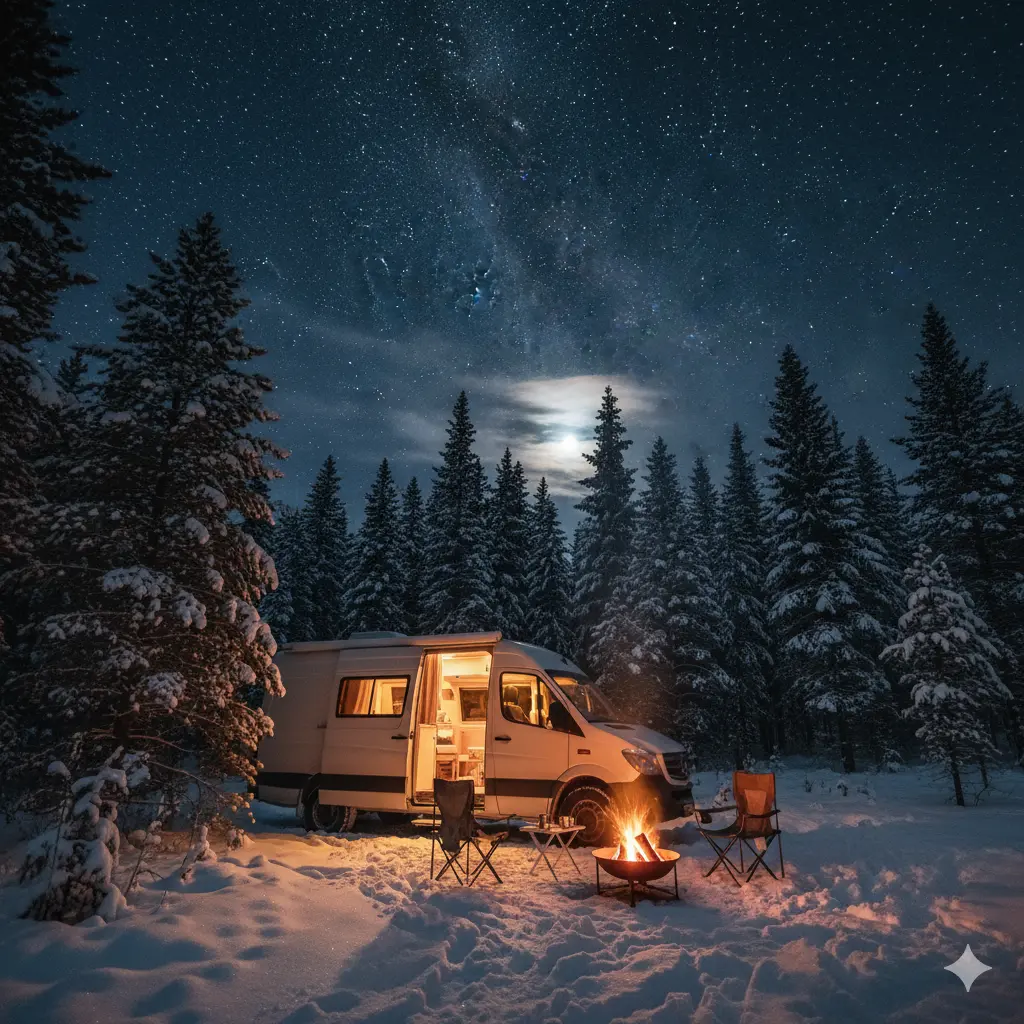
Winter camping in a camper or RV can be an unforgettable experience — peaceful landscapes, crisp air, and quiet nights. But when temperatures drop below freezing, staying warm without access to shore power becomes a serious challenge.
Fortunately, you don’t need electricity to stay cozy. In this smart guide on how to heat a camper without electricity, we’ll share six effective, safe, and practical ways to keep your RV warm through even the coldest nights.
Whether you’re boondocking, dry camping, or off-grid exploring, these heating solutions will help you conserve energy, stay safe, and enjoy your trip comfortably.
Why You Need Alternative Camper Heating
Relying solely on electric heaters limits your camping options. Many boondocking or dispersed camping areas don’t offer hookups — and running a generator all night isn’t practical or quiet.
Without a plan, temperatures can plummet inside your camper, risking frozen pipes, battery drain, and discomfort.
That’s where understanding how to heat a camper without electricity becomes essential.
1. Propane Heaters: The Most Reliable Off-Grid Heat Source
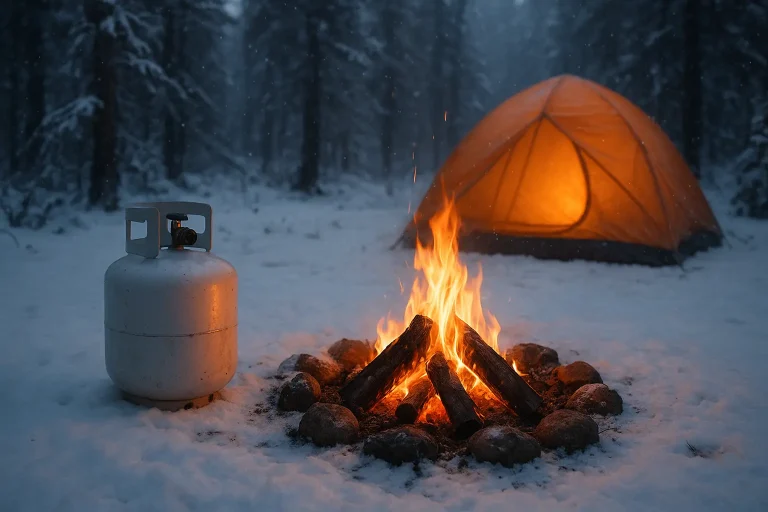
Propane heaters are the most common and efficient way to heat your camper without electricity. They run on liquid propane, which burns cleanly and provides consistent warmth.
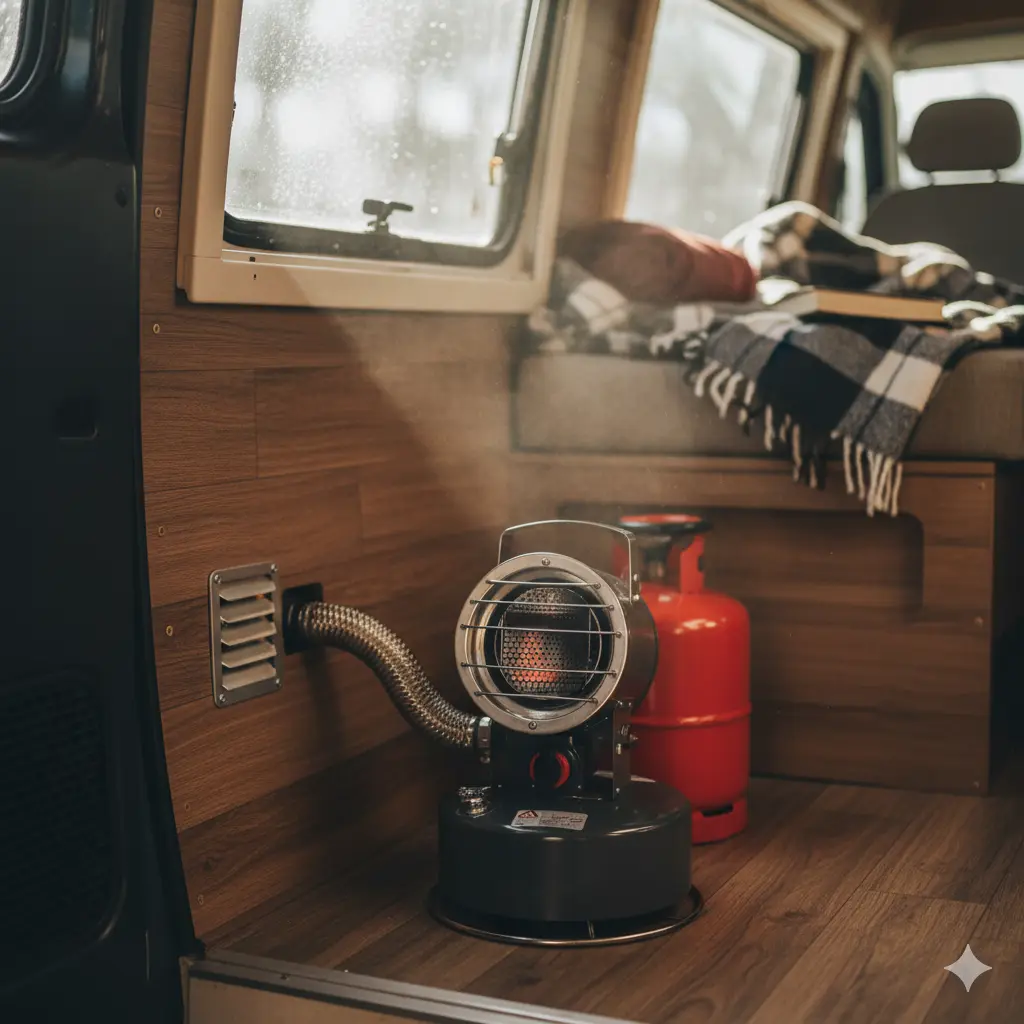
Types of propane heaters:
- Catalytic heaters: Use chemical reactions instead of open flames. Safe, quiet, and great for small RVs.
- Blue flame heaters: Radiate warmth efficiently but require good air circulation.
Pros:
- High heat output
- Easy to refill and transport
- Works well in all weather conditions
Safety tips:
- Always ensure ventilation to avoid carbon monoxide buildup.
- Use a carbon monoxide detector and crack a window slightly.
- Turn off the heater when sleeping unless rated for indoor use.
Popular Options:
- Mr. Heater Buddy Series
- Camco Olympian Wave 3
2. Portable Gas or Kerosene Heaters
If propane isn’t available, kerosene or butane heaters offer reliable heat. These heaters are often used in cabins or workshops, but many portable models work great for campers.
Advantages:
- Long runtime on small fuel quantities
- Inexpensive and easy to maintain
- Generates steady radiant heat
Disadvantages:
- Stronger odor than propane
- Requires more ventilation
Use these heaters only in well-ventilated areas, and never while sleeping.
3. Insulate Your Camper for Maximum Heat Retention
Before you add heat, make sure you’re not losing it. Insulation is the cheapest and safest way to maintain warmth.
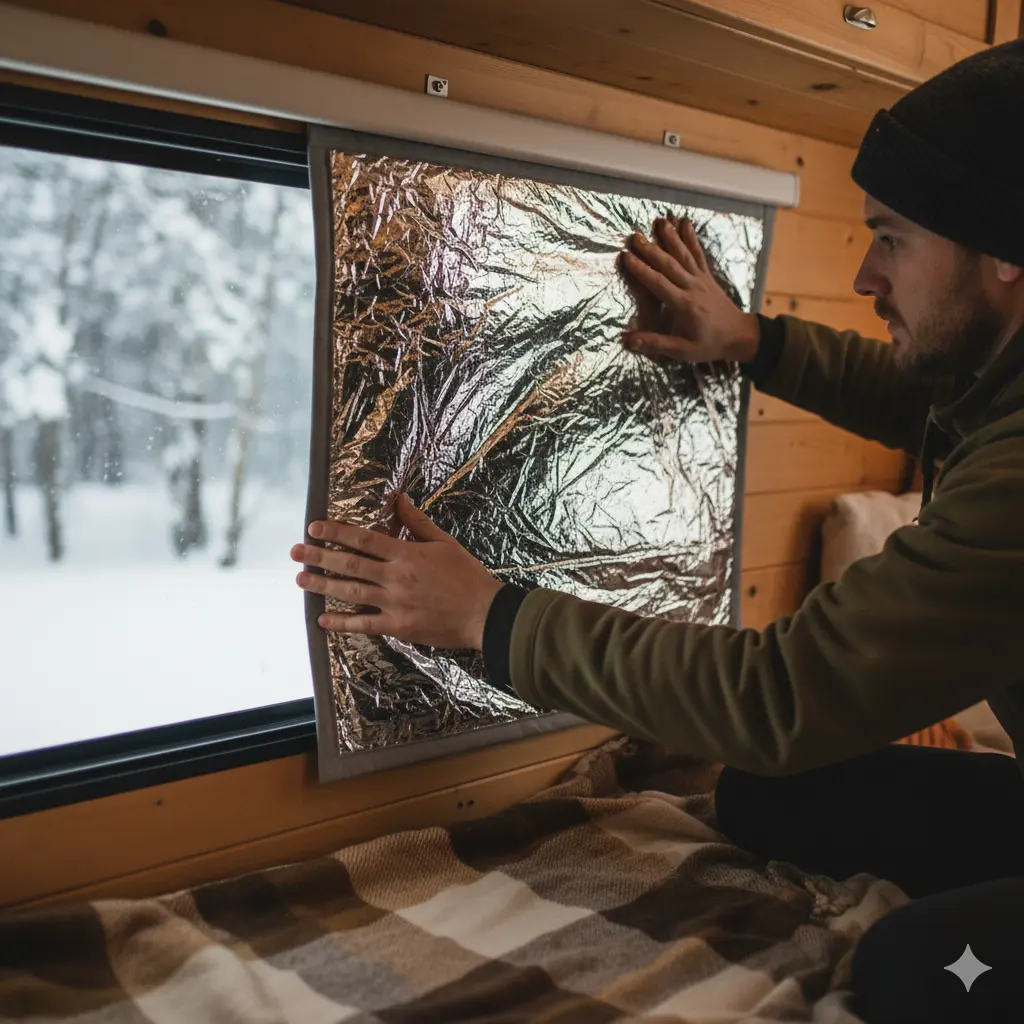
Key insulation areas:
- Windows: Use thermal curtains, Reflectix, or foam board cutouts.
- Floors: Lay rugs, foam mats, or carpets to reduce cold transfer.
- Doors and vents: Use weather stripping or draft blockers.
- Cab-over areas (for Class C RVs): Add extra foam insulation around the sleeping area.
Even simple upgrades can make a 10–15°F difference inside your camper.
4. Use Heated Rocks or Thermal Mass
This old-school camping trick still works wonders. Heat large rocks over a campfire (not too hot), wrap them in towels, and place them safely inside metal pans on the camper floor.
The rocks radiate heat slowly throughout the night, keeping the air temperature more stable.
Tips:
- Never use rocks directly from rivers (they can explode).
- Always place them in metal containers — not directly on the floor.
This is a great backup solution when fuel is limited or if you want to reduce propane usage.
5. Harness Body Heat and Layer Up
Sometimes, the best heater is your own body. Wearing the right layers and trapping body heat can dramatically increase comfort overnight.
Smart layering strategy:
- Base layer: Moisture-wicking thermal underwear
- Middle layer: Fleece or wool for insulation
- Outer layer: Windproof or water-resistant material
Add insulated sleeping bags, thick blankets, and even hot water bottles inside your bed to keep warm.
Pro Tip: Sleeping bags rated for zero-degree temperatures are worth every penny for winter camping.
6. Add Skirting or Wind Barriers Around Your Camper
Wind chill steals more heat from your camper than you might realize. Installing RV skirting — or even makeshift barriers — helps trap warm air beneath your rig.
DIY options:
- Foam board insulation
- Vinyl skirts
- Snowbanks (in a pinch!)
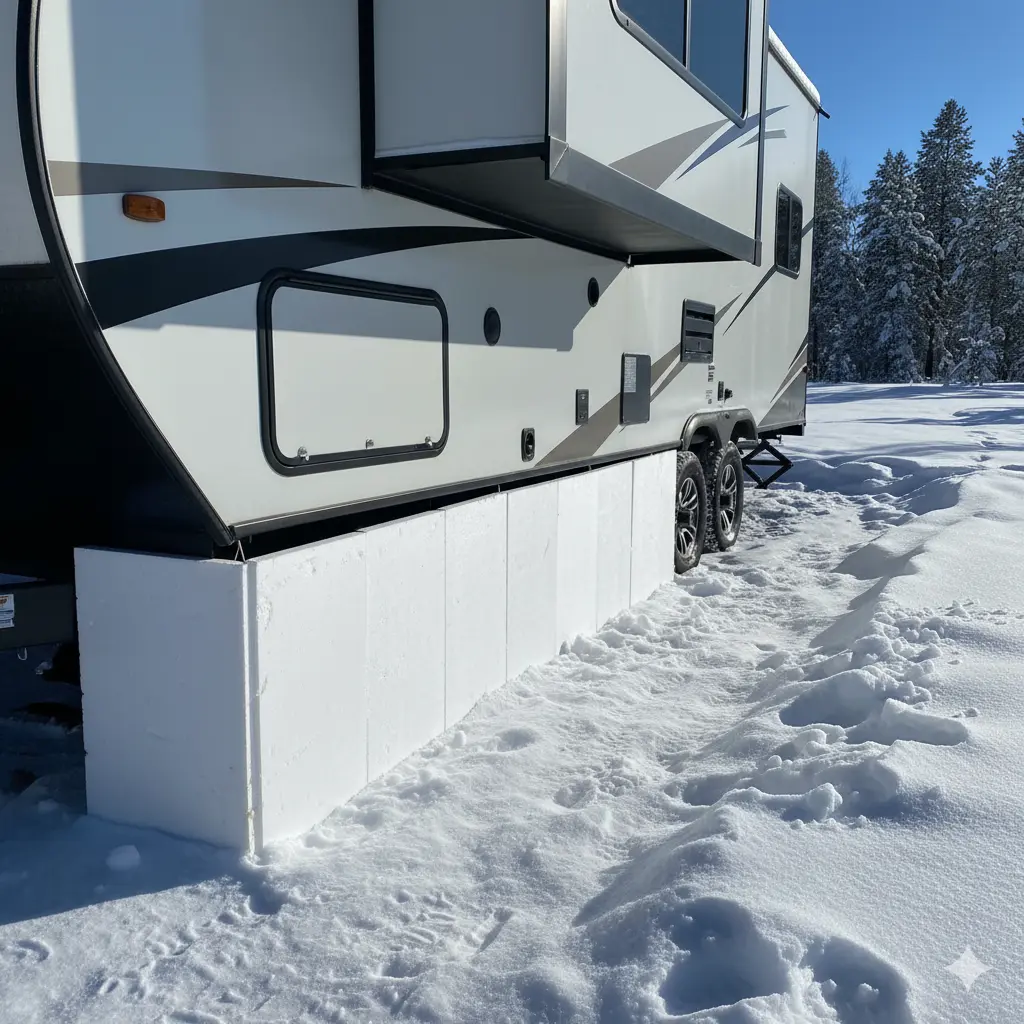
Skirting keeps cold air from circulating under the camper floor, which helps prevent frozen tanks and floors.
Bonus Tip: Use Safe Ventilation and Monitor Humidity
While it’s tempting to seal every crack to retain heat, moisture buildup can cause condensation, frost, and mold.
Crack a window slightly and use moisture absorbers or small dehumidifiers.
Keeping air circulation balanced ensures your camper stays warm and dry.
Common Mistakes to Avoid
- Running an unvented heater all night without airflow
- Ignoring carbon monoxide detectors
- Forgetting to insulate water lines and tanks
- Using open-flame heaters in enclosed spaces
Safety should always come before comfort when camping off-grid.
Conclusion
Learning how to heat a camper without electricity opens up a world of freedom for off-grid travelers.
Whether you rely on propane, insulation, or simple ingenuity, each method helps you camp longer, safer, and more comfortably.
The trick is combining multiple strategies — a well-insulated camper, a reliable heater, and smart heat retention techniques.
With the right preparation, even the coldest nights can become part of your best camping memories.