How to Stop Car Windows From Fogging Up in Winter: 10 Genius Methods
Few things are more frustrating than hopping into your car on a cold morning and instantly watching your windows fog up. Not only does it delay your drive — it’s also a serious safety hazard, limiting visibility right when you need it most.
The good news? With the right techniques, you can stop your car windows from fogging up in winter — and even prevent it from happening in the first place.
In this guide, you’ll learn 10 genius, science-backed methods to keep your windshield and windows crystal clear no matter how cold it gets.
Why Do Car Windows Fog Up in Winter?
Before we tackle solutions, it helps to understand the cause.
Foggy windows happen when warm, moist air inside your car meets cold glass surfaces, creating condensation.
This often occurs because of:
- Breathing or damp clothing inside the car
- Snow tracked in on shoes
- Leaks or poor ventilation
- High humidity from the heater or defroster
Once you know why fog forms, you can choose the right fix — and avoid making it worse.
1. Use Your Car’s Defroster (The Right Way)
Your defroster is your best friend in the battle against fog. But many drivers don’t use it effectively.
To defog quickly and safely:
- Turn on your defroster.
- Set it to warm air (not hot).
- Gradually increase fan speed.
- Turn on your A/C — yes, even in winter.
The air conditioner removes moisture from the air, drying it before it hits the windshield.
Pro Tip: Crack your windows slightly to let humid air escape faster.
2. Keep the Interior Dry
Moisture buildup inside your car fuels fogging. Start by keeping things as dry as possible:
- Shake off snow before getting in.
- Use rubber floor mats that trap water.
- Store wet gloves or boots in plastic bags.
- Wipe down windows regularly with a microfiber cloth.
Even small actions can make a big difference in reducing humidity levels.
3. Use an Anti-Fog Product
Commercial anti-fog sprays or wipes create an invisible film that prevents moisture from clinging to the glass.
Here’s how to apply them properly:
- Clean your windows first.
- Apply a thin layer of anti-fog solution evenly.
- Let it dry, then buff gently with a clean cloth.
Reapply every few weeks during winter for the best results.
4. Try a DIY Anti-Fog Trick
Prefer a natural approach? Try this simple homemade anti-fog hack:
- Mix one part white vinegar with two parts water.
- Spray it onto your windshield and wipe it clean.
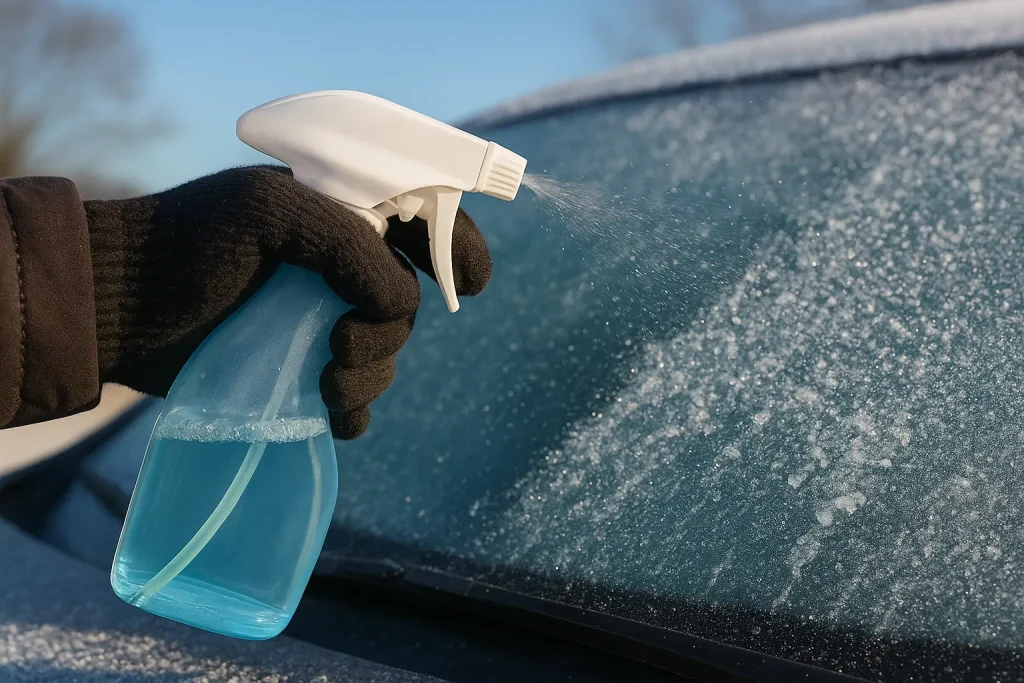
Alternatively, you can rub shaving cream on the inside of the glass, then wipe it off completely. The thin layer it leaves behind helps prevent fog buildup for several days.
5. Use Desiccants to Absorb Moisture
Moisture absorbers, or desiccants, are a cheap and easy fix. You can use:
- Silica gel packets (like the ones from packaging)
- Charcoal briquettes wrapped in a sock
- Commercial car dehumidifier bags
Place them near your windshield or under the seats to absorb excess humidity overnight.
6. Don’t Leave Recirculation On
When your car’s air recirculation mode is on, it keeps the same moist air inside the cabin. That’s great for cooling in summer — but terrible for fog control in winter.
Always switch to fresh air mode so that your car continuously pulls in dry outside air.
7. Warm Up Your Engine Before Driving
Cold engines produce cold air that condenses quickly on glass surfaces. Let your car warm up for 5–10 minutes before driving.
As the cabin temperature rises evenly, fogging naturally clears up and stays away.
This step is particularly useful on icy mornings when defrosters alone take too long.
8. Clean Your Windows Thoroughly
Dirty glass attracts condensation more easily. Dust and oil particles provide a surface for water to cling to, speeding up fogging.
Clean your windows weekly using:
- Automotive glass cleaner (avoid ammonia-based products)
- A microfiber towel for streak-free results
You’ll not only prevent fog but also improve nighttime visibility.
9. Control Cabin Temperature Gradually
Rapid temperature changes cause condensation. Instead of blasting the heater, warm your cabin slowly.
Start with moderate heat, then increase gradually as the windows begin to clear. This keeps the glass and interior air closer in temperature, reducing moisture buildup.
10. Check for Leaks or Seal Problems
If your car fogs up even in mild weather, there might be a leak or ventilation issue.
Inspect for:
- Wet carpets or under-seat moisture
- Leaking door seals or window edges
- Blocked cabin air filters
Fixing these issues can significantly reduce fog problems — and prevent mold growth.
Bonus Tip: Keep a Microfiber Cloth Handy
Even with prevention, occasional fog can appear. Keep a microfiber towel in your glove compartment for quick touch-ups.
Avoid paper towels — they leave lint and can scratch tinted glass.
Why You Shouldn’t Use Dangerous Shortcuts
Avoid trying to clear fog by wiping with your sleeve, turning on boiling heat, or spraying harsh chemicals. These can damage window coatings and make fogging worse over time.
Gentle, consistent care is the safest and most effective approach.
Conclusion: Stay Clear and Safe This Winter
Knowing how to stop car windows from fogging up in winter isn’t just about convenience — it’s about safety.
By managing humidity, using anti-fog treatments, and adjusting your car’s air settings correctly, you can maintain crystal-clear visibility on every drive.
No more waiting for your windshield to clear up while you shiver — just a smooth, safe start to your winter mornings.