Winter Hammock Camping Guide: 23 Cozy Tips and Gear
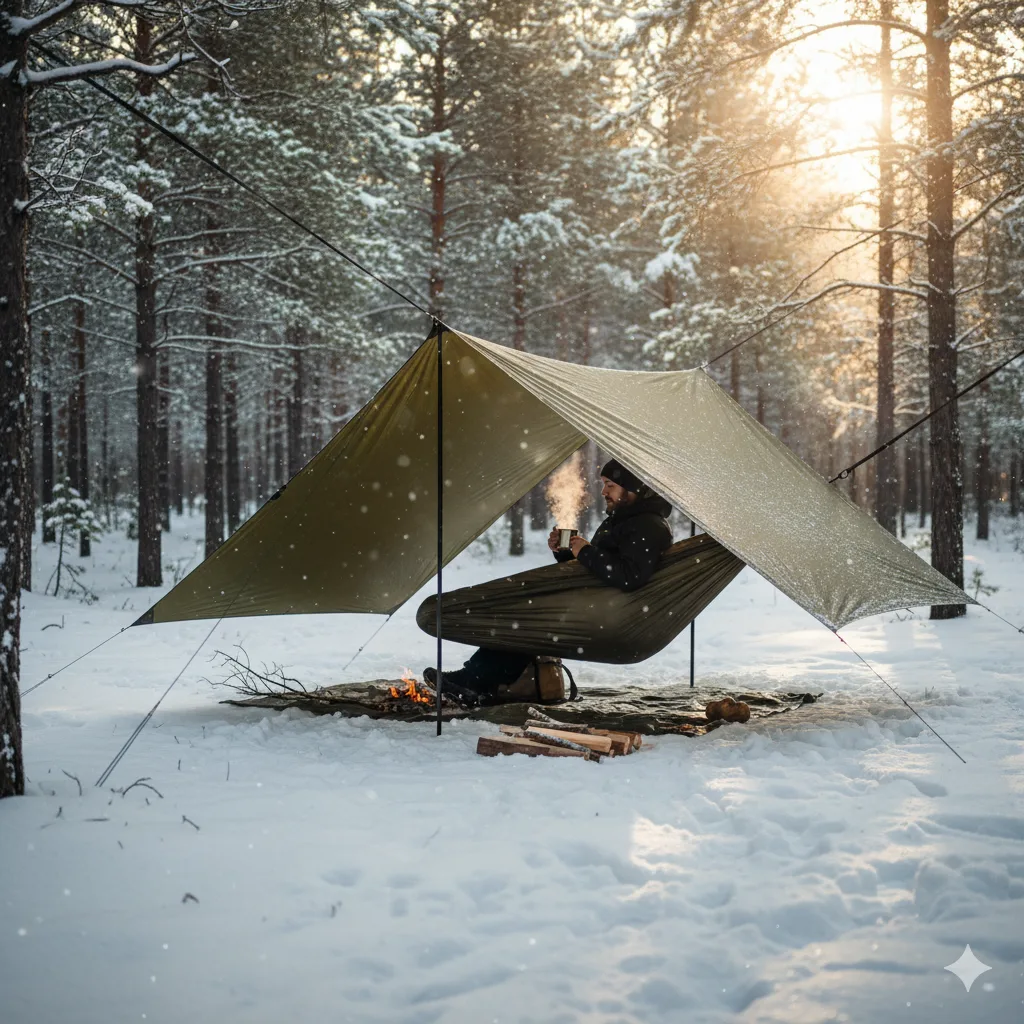
Hammock camping in winter isn’t just for the fearless—it’s for the well-prepared. With the right gear and techniques, you can stay warm, dry, and incredibly comfortable suspended between two snow-dusted trees. This Winter Hammock Camping Guide covers 23 expert tips and must-have gear to keep you cozy even when temperatures drop below freezing.
Whether you’re backpacking through snowy forests or setting up a base camp in the mountains, these strategies will help you turn a frosty night into a peaceful outdoor experience.
Why Winter Hammock Camping Is Worth It
Many campers assume hammocks are only for warm weather, but winter hammock camping offers unique rewards:
- You stay above wet, frozen ground, avoiding moisture and cold seepage.
- Hammocks pack light, ideal for backpacking or minimalist trips.
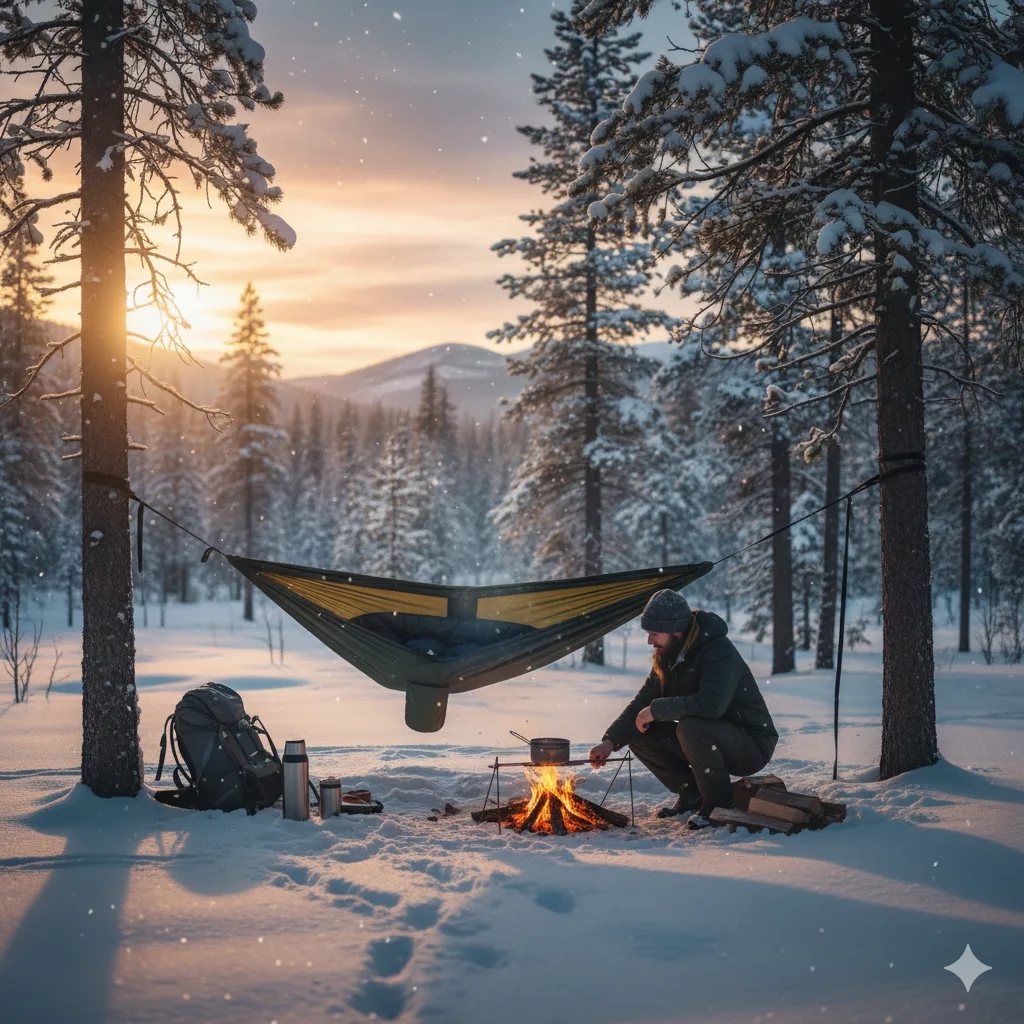
- Snow-covered forests are quiet and breathtaking, offering a sense of solitude that tents can’t match.
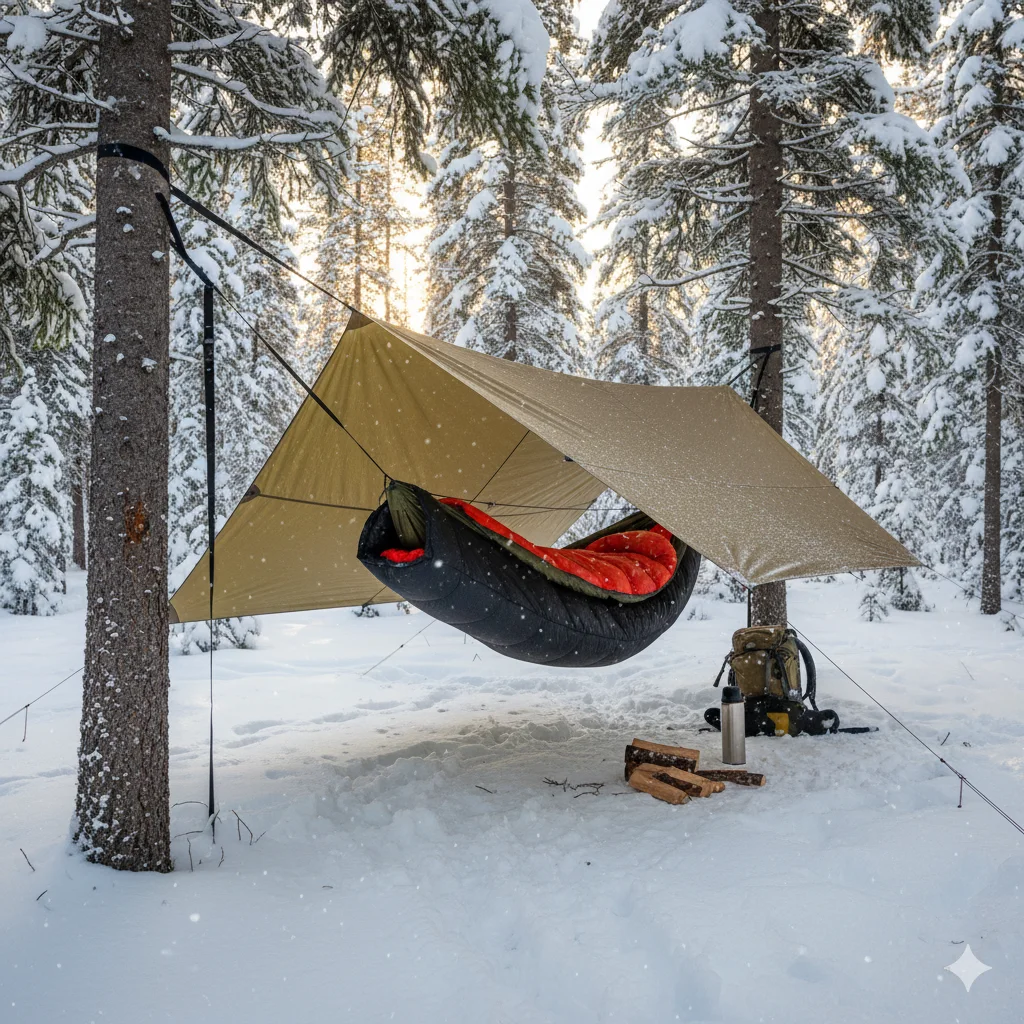
With proper insulation, smart layering, and thoughtful site setup, hammocking in cold weather can be as cozy as sleeping in a tent—sometimes even more so.
1. Choose the Right Hammock for Winter Camping
Not all hammocks are designed for freezing temperatures. Look for a double-layer hammock made from ripstop nylon or polyester for added durability and insulation options.
A wider, longer hammock also helps you sleep diagonally, providing more comfort and warmth retention.
2. Use an Underquilt (Your Most Important Insulation)
When you’re suspended in the air, heat escapes from below quickly. A winter underquilt is essential—it wraps around the bottom of your hammock and traps body heat.
Choose one rated at least 10–15°F lower than the expected temperature. For extreme cold, down-filled quilts offer the best warmth-to-weight ratio.
3. Add a Top Quilt or Sleeping Bag
Instead of traditional sleeping bags, many hammock campers prefer top quilts, which are lighter and designed to work with underquilts. However, a mummy-style sleeping bag can work too—just unzip it partially to avoid compressing insulation underneath you.
4. Bring an Insulated Sleeping Pad (Optional Extra Warmth)
If you don’t have an underquilt, a closed-cell foam or inflatable sleeping pad inside your hammock can help block cold air. Some hammocks even include pad sleeves to keep it from shifting at night.
5. Use a Weather Shield or Hammock Sock
A hammock sock (a breathable cover that encloses your hammock) helps block wind and retain warmth. It can raise inside temperatures by 10°F or more while preventing frost buildup on quilts.
6. Set Up a Proper Tarp Shelter
A four-season tarp with doors is a must for winter hammock camping. Choose one that extends close to the ground and creates a full enclosure.
This shields you from wind, snow, and rain—critical for staying dry and comfortable.
7. Hang Your Hammock Low and Stable
In winter, wind chill can be brutal. Hang your hammock lower to the ground and closer between trees (around 12–15 feet apart) to reduce sway and exposure.
Always inspect trees for strength and stability, especially after snow or ice storms.
8. Dress in Moisture-Wicking Layers
Layering is key for warmth and dryness:
- Base layer: Merino wool or synthetic for moisture control.
- Mid-layer: Fleece or down jacket for insulation.
- Outer layer: Windproof and waterproof shell for protection.
Avoid cotton—it traps moisture and accelerates heat loss.
9. Keep Your Head and Feet Warm
Up to 50% of body heat can escape from your head and feet. Wear a wool beanie, neck gaiter, and thermal socks. Consider a sleeping bootie or hot water bottle inside your quilt for extra warmth.
10. Use a Hot Water Bottle Trick
Fill a leak-proof water bottle with boiling water, wrap it in a sock or towel, and place it at your feet or between your thighs before sleeping. It provides long-lasting heat through the night.
11. Block Wind with Natural Barriers
When selecting your campsite, look for natural windbreaks such as boulders, evergreens, or terrain dips. Pitch your tarp so the closed end faces the wind for maximum protection.
12. Bring the Right Suspension System
Ensure your hammock straps and carabiners are rated for cold conditions. Avoid cheap nylon straps—they can stiffen and lose strength in sub-zero temperatures.
13. Use Drip Lines to Stop Condensation
Condensation and melting snow can run down your straps into your hammock. Add drip lines (short cords tied under the straps) to divert water before it reaches your sleeping area.
14. Keep Your Gear Dry and Organized
Use a gear sling or small tarp under your hammock to store boots and backpacks off the snow. Always keep electronics and gas canisters inside your hammock or quilts overnight to prevent freezing.
15. Eat High-Calorie Foods Before Sleeping
A high-energy snack (nuts, chocolate, cheese) before bed boosts your body’s heat production. Winter hammock camping burns more calories—so keep fuel handy.
16. Stay Hydrated Even When It’s Cold
Dehydration accelerates heat loss. Melt snow or carry insulated bottles to prevent water from freezing. Warm herbal tea before bed helps raise your core temperature.
17. Keep Electronics Warm
Cold drains batteries quickly. Store phones, headlamps, and power banks in your sleeping bag or inside insulated pouches.
18. Practice at Home First
If you’re new to winter hammock camping, test your setup in the backyard before heading into the wild. Adjust insulation, tarp pitch, and sleep layers to find what works best.
19. Monitor Weather and Temperature
Always check forecasts before your trip. Avoid camping in high-wind areas or during blizzards. For deep winter expeditions, consider carrying a portable thermometer to track temperature drops.
20. Carry Backup Heat Sources
Hand warmers, catalytic heaters, or battery-powered warmers can provide emergency heat. Just ensure they’re used safely and never inside the hammock without ventilation.
21. Dry Out Gear Each Morning
Even breathable fabrics collect condensation. Hang your quilts and sleeping bag in the sun or breeze for at least 15 minutes before packing up.
22. Respect Leave No Trace Principles
Avoid damaging trees or vegetation when hanging your hammock. Use tree-friendly straps at least 1 inch wide and pack out all waste.
23. Stay Mentally Positive and Relax
Winter hammock camping is as much a mental challenge as a physical one. Stay calm, embrace the silence, and enjoy the serenity that comes from being wrapped in warmth beneath a snowy canopy.
Final Thoughts
Mastering Winter Hammock Camping takes preparation, but the rewards are immense—peaceful nights, scenic beauty, and a sense of accomplishment that few outdoor adventures can match.
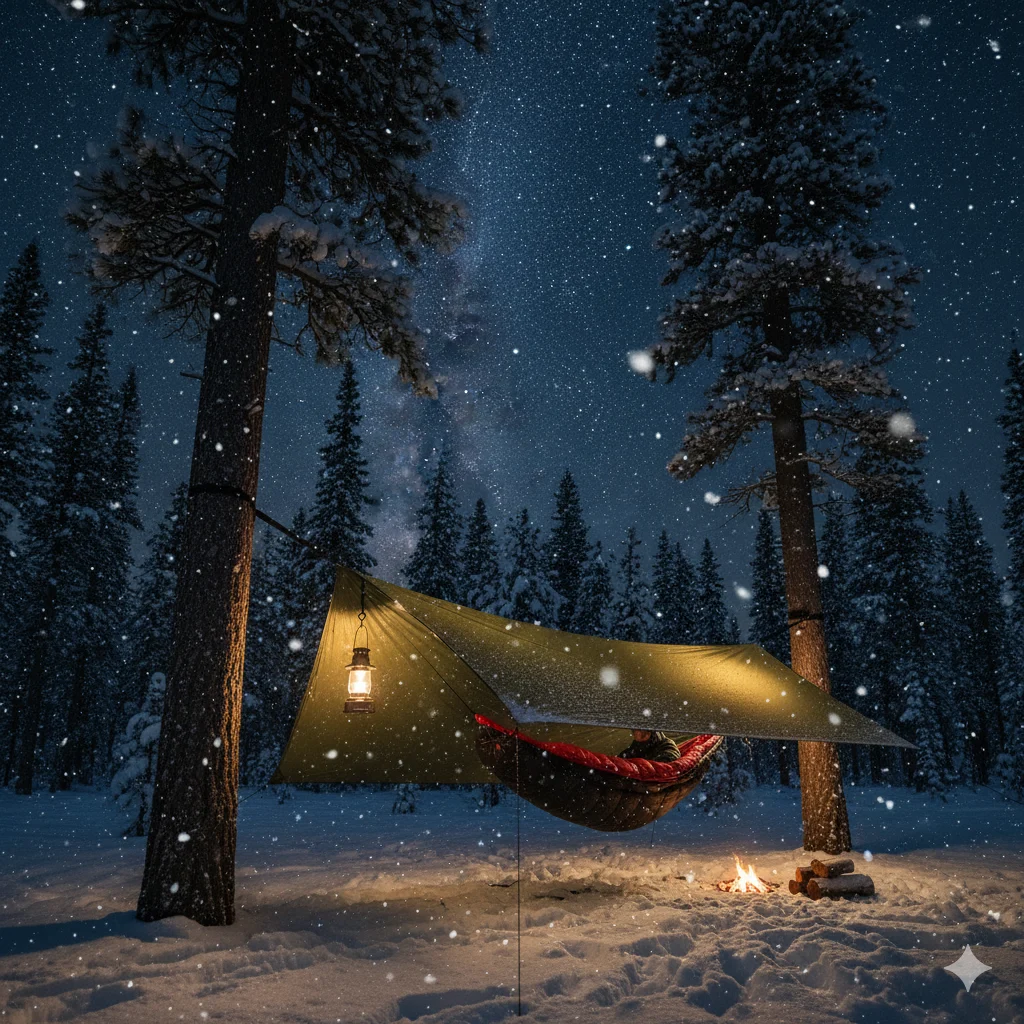
With these 23 proven tips and essential gear recommendations, you’ll stay safe, warm, and ready to enjoy winter nights the hammock way.