14 Essential Winter RV Camping Tips (Expert Guide to Beat Cold Weather)
Winter RV camping offers a peaceful, scenic, and cozy experience — but it also brings unique challenges. From frozen pipes to condensation buildup, cold-weather RVing can quickly turn uncomfortable if you’re not prepared.
Whether you’re planning a snowy weekend getaway or living full-time in your camper, knowing how to camp in winter safely and comfortably makes all the difference. In this expert guide, we’ll share 14 essential winter RV camping tips to help you stay warm, protect your rig, and enjoy your cold-weather adventures.
Why Winter RV Camping Can Be Rewarding
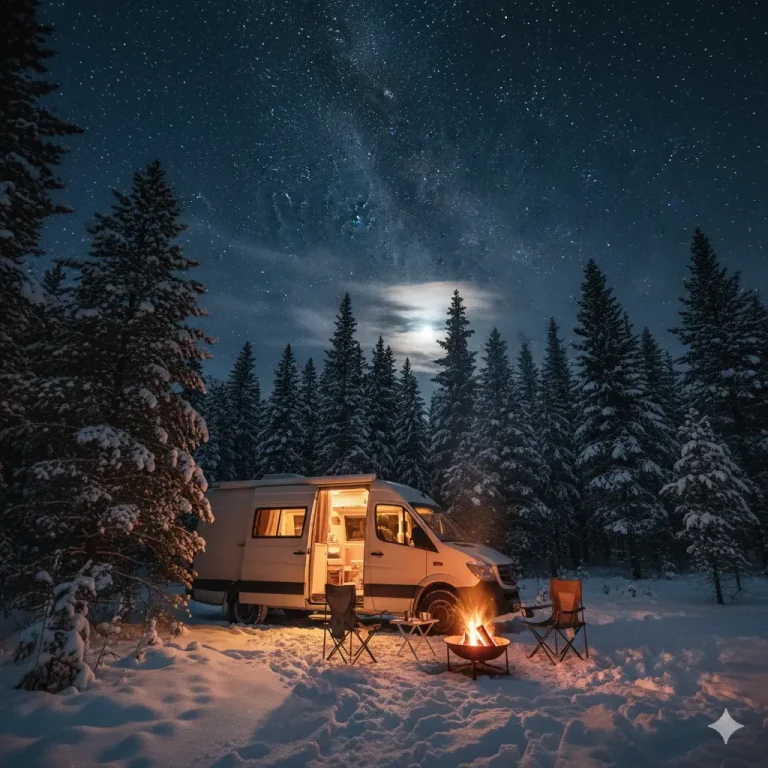
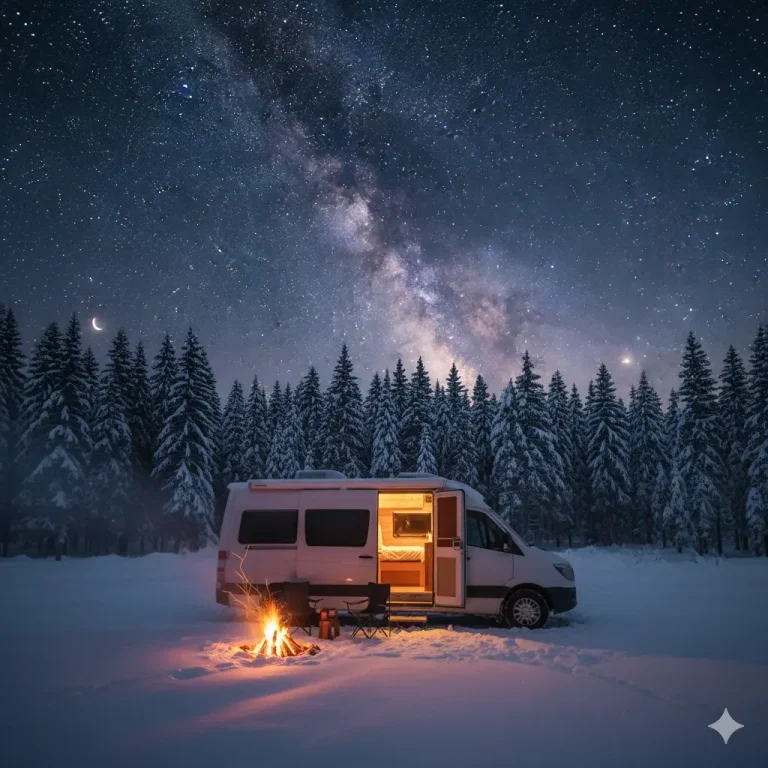
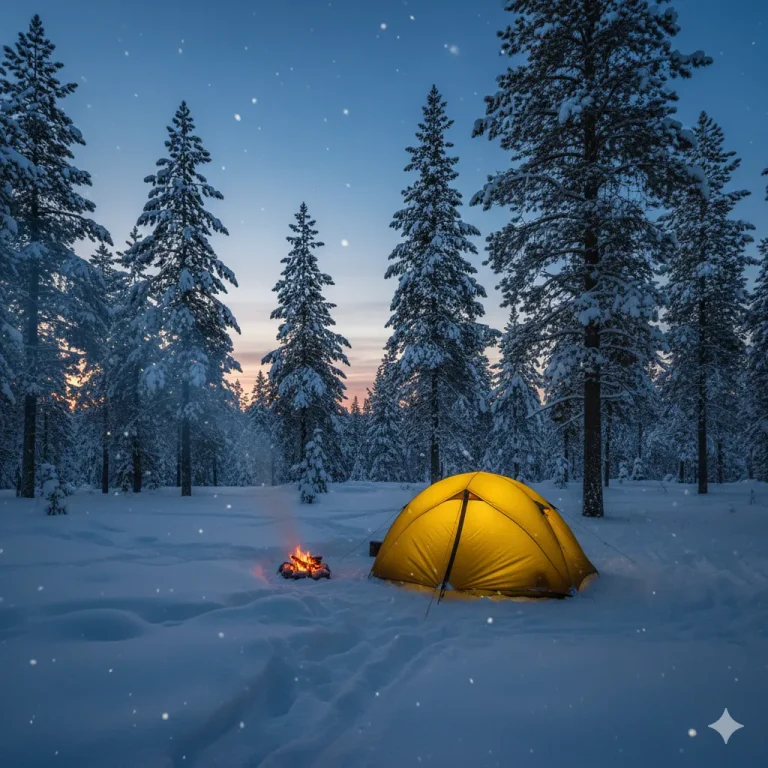
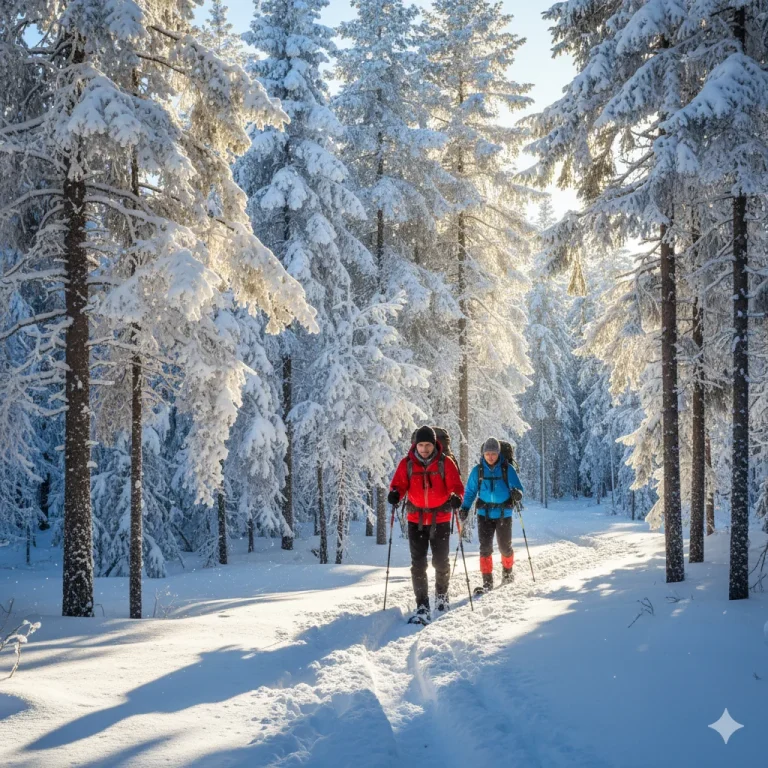
Before diving into the tips, it’s worth mentioning that winter camping isn’t just about surviving the cold — it’s about embracing the stillness and beauty of nature. Fewer crowds, quiet campgrounds, and stunning snow-covered landscapes make it one of the most serene ways to enjoy your RV.
However, cold temperatures can be tough on both you and your vehicle. The good news is that with proper preparation and the right gear, you can stay warm, prevent damage, and enjoy your winter camping experience to the fullest.
1. Insulate Your RV for Maximum Warmth
Insulation is the first and most critical step for winter camping. Heat escapes quickly through thin RV walls, single-pane windows, and undercarriage gaps.
Ways to insulate your RV:
- Add thermal curtains or reflective window covers.
- Use foam board insulation around storage compartments.
- Install RV skirting to block cold air under the rig.
- Lay foam mats or rugs over cold floors.
Pro Tip: RV skirting can increase interior warmth by up to 15°F, reducing propane use and condensation buildup.
2. Use a Quality RV Heater or Portable Safe Heater
A reliable heating system is key to comfortable winter camping. Most RVs come with a propane furnace, but supplemental heaters can make a huge difference.
Best options include:
- Ceramic space heaters (energy-efficient and safe).
- Infrared heaters for targeted warmth.
- Catalytic propane heaters (great for boondocking).
Always ensure adequate ventilation when using any heater inside your camper.
3. Keep Your Water System from Freezing
Frozen pipes are every winter camper’s worst nightmare. To prevent this:
- Use heated water hoses or wrap hoses with pipe insulation.
- Keep the freshwater tank inside the RV when possible.
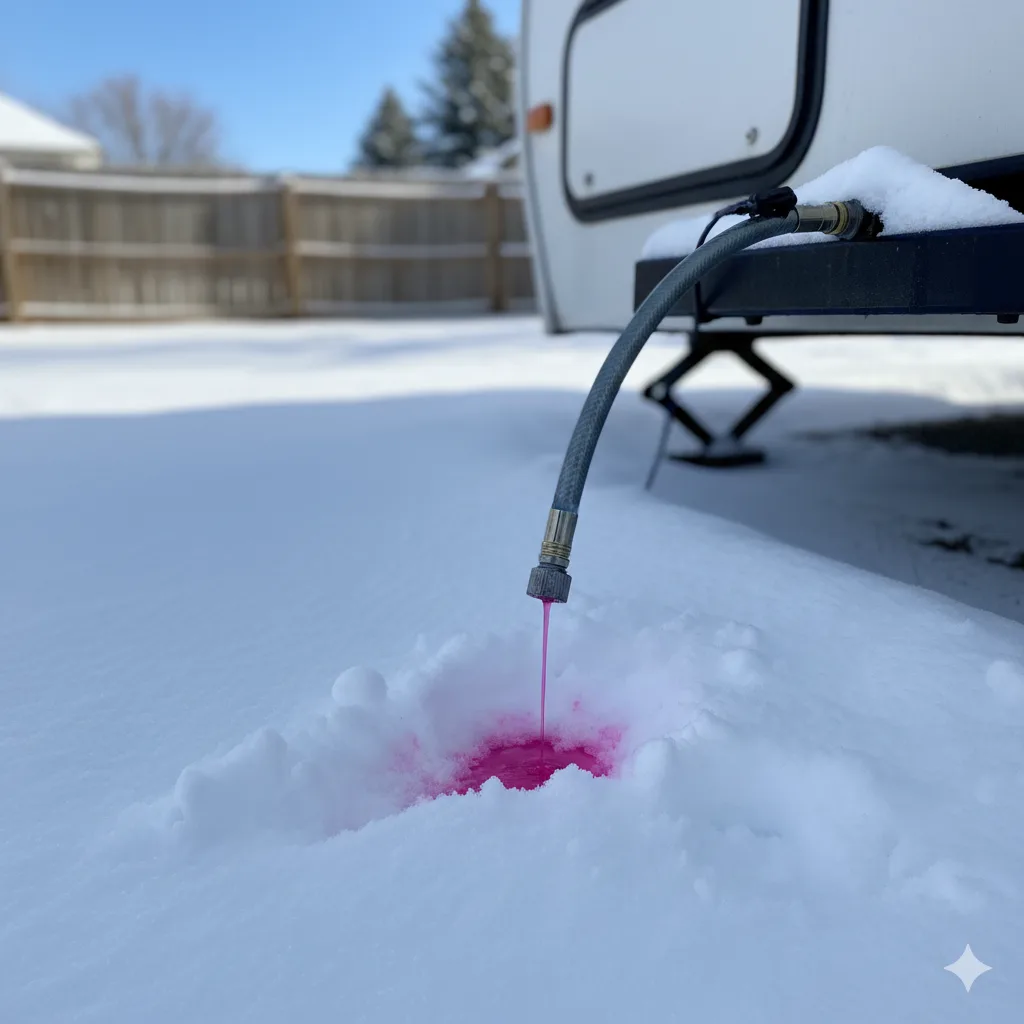
- Add RV antifreeze to holding tanks and traps.
- Let faucets drip slowly overnight to keep water moving.
Bonus Tip: Open cabinet doors under sinks to allow warm air to circulate around pipes.
4. Choose the Right Campsite
When booking your campsite:
- Look for sites with electrical hookups for heaters and heated blankets.
- Avoid low-lying or windy areas.
- Park with your RV nose facing the wind to reduce heat loss.
- If possible, find a spot with natural windbreaks like trees or rocks.
5. Protect Your Propane Supply
You’ll burn through propane faster in winter, so come prepared.
- Carry extra propane tanks or refills.
- Use tank covers to protect valves from freezing.
- Check connections regularly for leaks.
Pro Tip: Propane stops vaporizing below -44°F, so in extreme cold, switch to electric heat if available.
6. Manage Condensation Inside the Camper
Warm indoor air meeting cold RV surfaces creates condensation — leading to damp bedding, mold, and odor.
To reduce moisture:
- Run a dehumidifier or moisture-absorbing crystals.
- Crack a window slightly while cooking or sleeping.
- Wipe down windows each morning.
Keeping humidity low is crucial for long-term RV comfort and safety.
7. Insulate and Protect RV Tanks
Your gray, black, and freshwater tanks are at risk of freezing.
Solutions:
- Install tank heating pads or 12V tank heaters.
- Add foam insulation around exposed plumbing.
- Empty and flush tanks often to prevent ice buildup.
8. Keep Batteries Warm and Charged
Cold weather drains battery life fast.
- Store batteries in an insulated compartment.
- Keep them fully charged before each trip.
- Consider lithium batteries, which perform better in cold climates.
Use a solar panel setup or generator to maintain charge during longer stays.
9. Seal Drafts Around Doors and Windows
Even small air leaks can make your RV feel freezing.
- Use rubber weather stripping or foam tape to seal doors.
- Apply caulk to gaps and cracks around vents or windows.
- Add draft stoppers along entry doors.
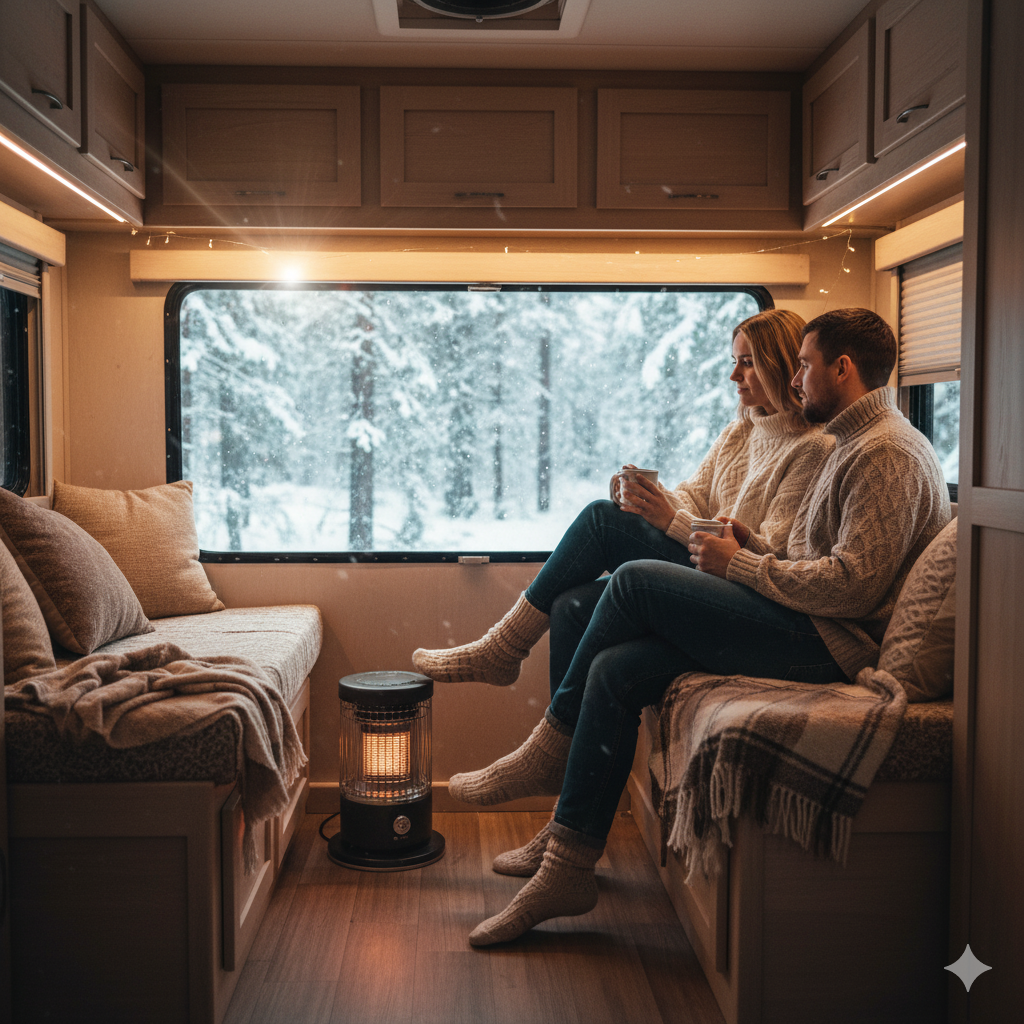
A well-sealed camper saves propane and keeps you cozy all night.
10. Prep Your Engine and Generator
If you’re traveling with a motorhome or using a generator:
- Check engine coolant and add antifreeze rated for your region.
- Run the generator periodically to keep it from freezing.
- Store extra engine oil and fuel stabilizer.
11. Pack the Right Winter Gear
Don’t underestimate how cold winter nights can get. Bring:
- Thermal layers and waterproof boots
- Heated blankets and sleeping bags
- Insulated gloves and beanies
- Snow shovel and ice scraper
A small space heater for morning prep can make your routine more pleasant.
12. Maintain Proper Ventilation
It’s tempting to seal everything tight, but airflow prevents carbon monoxide buildup and mold.
- Crack a roof vent slightly open.
- Use vent fans occasionally to cycle air.
- Install a CO detector for safety.
13. Stay Connected and Safe
Always prioritize safety and communication in winter conditions.
- Check weather updates before travel.
- Keep a charged phone or power bank handy.
- Let someone know your route and campsite location.
- Carry a first aid kit and emergency blanket.
14. Enjoy the Quiet Beauty of Winter RV Camping
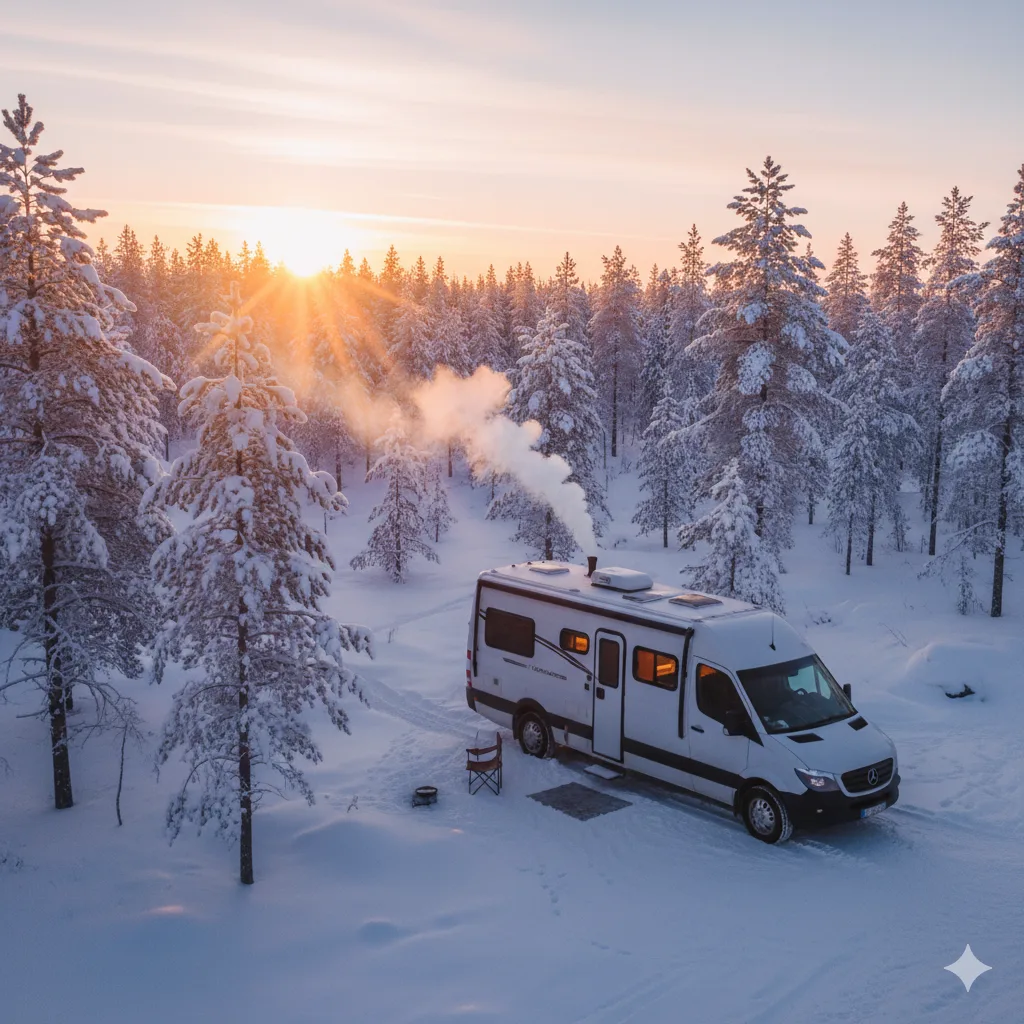
Winter RV camping offers breathtaking views — snow-dusted pines, frozen lakes, and peaceful mornings with no crowds. Once your camper is warm, it’s one of the most serene ways to experience nature.
Pour a cup of coffee, light your propane stove, and enjoy the soft silence of a snowy campground. With preparation and these winter RV camping tips, you’ll find that the cold season can be one of the most rewarding times to explore.
Conclusion
With the right setup and mindset, winter RV camping can be both comfortable and adventurous. Use these 14 tips to protect your rig, stay warm, and make the most of your cold-weather trips.
Remember: preparation is everything. When you insulate, heat efficiently, and manage moisture properly, you can camp year-round — safely and comfortably.