How to Winterize a Camper to Live In: Complete Checklist, Gear & Hacks
Living in a camper during winter can be a dream come true — snow-covered forests, peaceful mornings, and cozy nights. But that dream can quickly turn into a freezing nightmare if your camper isn’t properly prepared.
Winter brings freezing temperatures, icy winds, and moisture buildup that can damage your plumbing, batteries, and comfort. That’s why learning how to winterize a camper to live in is essential for every RV owner who plans to stay warm and safe through the cold months.
In this complete winterization guide, you’ll learn the exact steps, tools, and hacks to transform your camper into a cold-proof home on wheels — from insulating windows to protecting your pipes and tanks.
Why You Need to Winterize Your Camper Before Living In It
A camper is built for adventure — but not necessarily for freezing temperatures. Without winterization, your:
- Pipes can freeze and burst, causing costly repairs.
- Water tanks may crack or leak.
- Condensation and mold can build up inside.
- Propane and heating systems may underperform.
Proper winterization keeps your rig comfortable, protects your systems, and ensures you can live off-grid without constant worry.
1. Insulate Your Camper Interior for Maximum Heat Retention
The first and most important step in winterizing a camper is insulation. Heat loss happens fast through thin RV walls and windows — but with a few upgrades, you can dramatically improve warmth.
Key areas to insulate:
- Windows: Use Reflectix panels, thermal curtains, or bubble insulation.
- Doors: Add weatherstripping and door draft stoppers.
- Floors: Place foam mats, rugs, or carpeting to trap heat.
- Vents and skylights: Install vent cushions or foam blocks to prevent drafts.
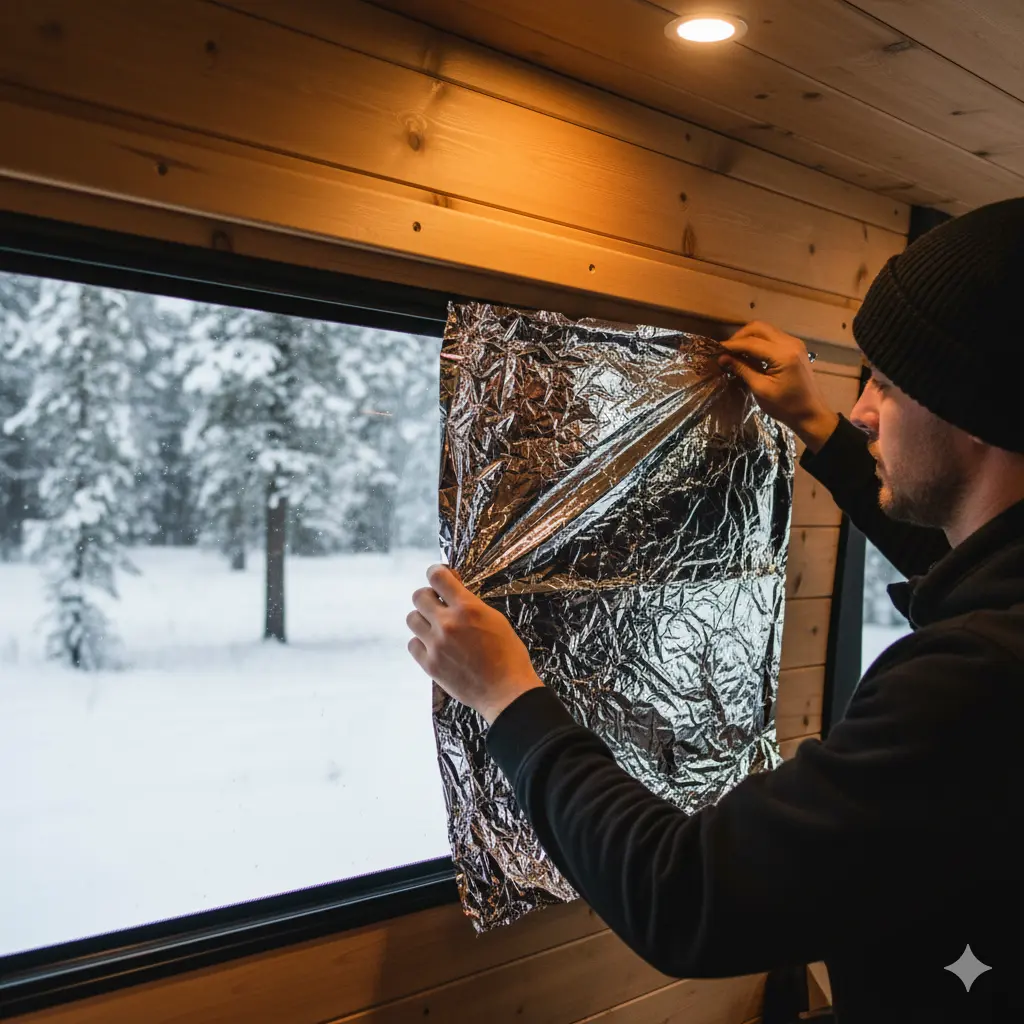
Pro Tip: Reflectix insulation is lightweight, easy to install, and can make a 10–15°F difference inside your camper.
2. Protect Your Water System from Freezing
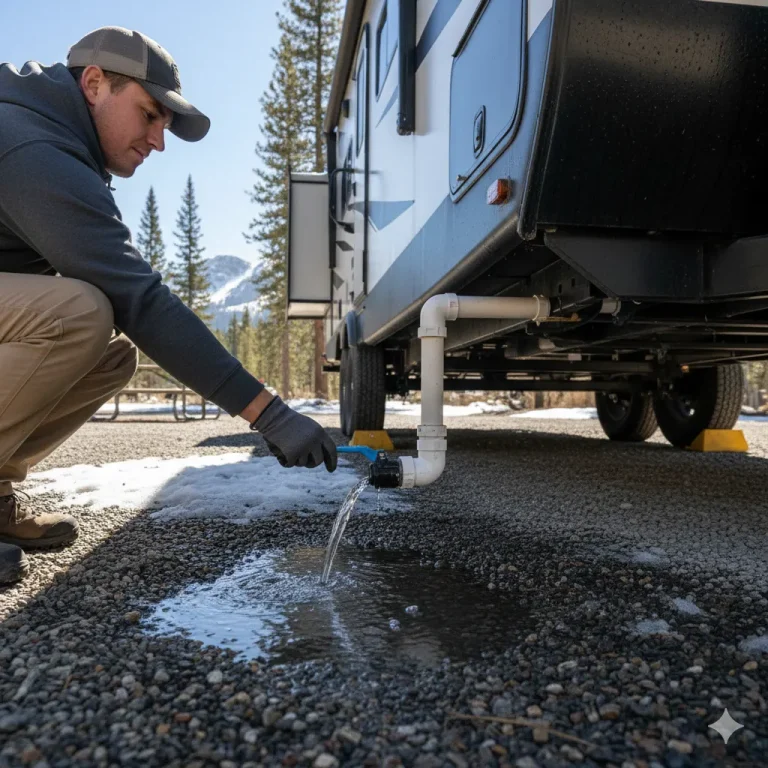
When water freezes, it expands — and that’s bad news for your plumbing system. To avoid damage, protect all tanks, pipes, and hoses.
Here’s how to winterize your water system for living use:
- Use heat tape on exposed pipes and hoses.
- Add RV antifreeze to gray and black tanks.
- Insulate water lines running under the floor with foam sleeves.
- Install a heated water hose if you’ll stay connected to an outdoor supply.
- Empty and clean your tanks regularly to prevent freezing buildup.
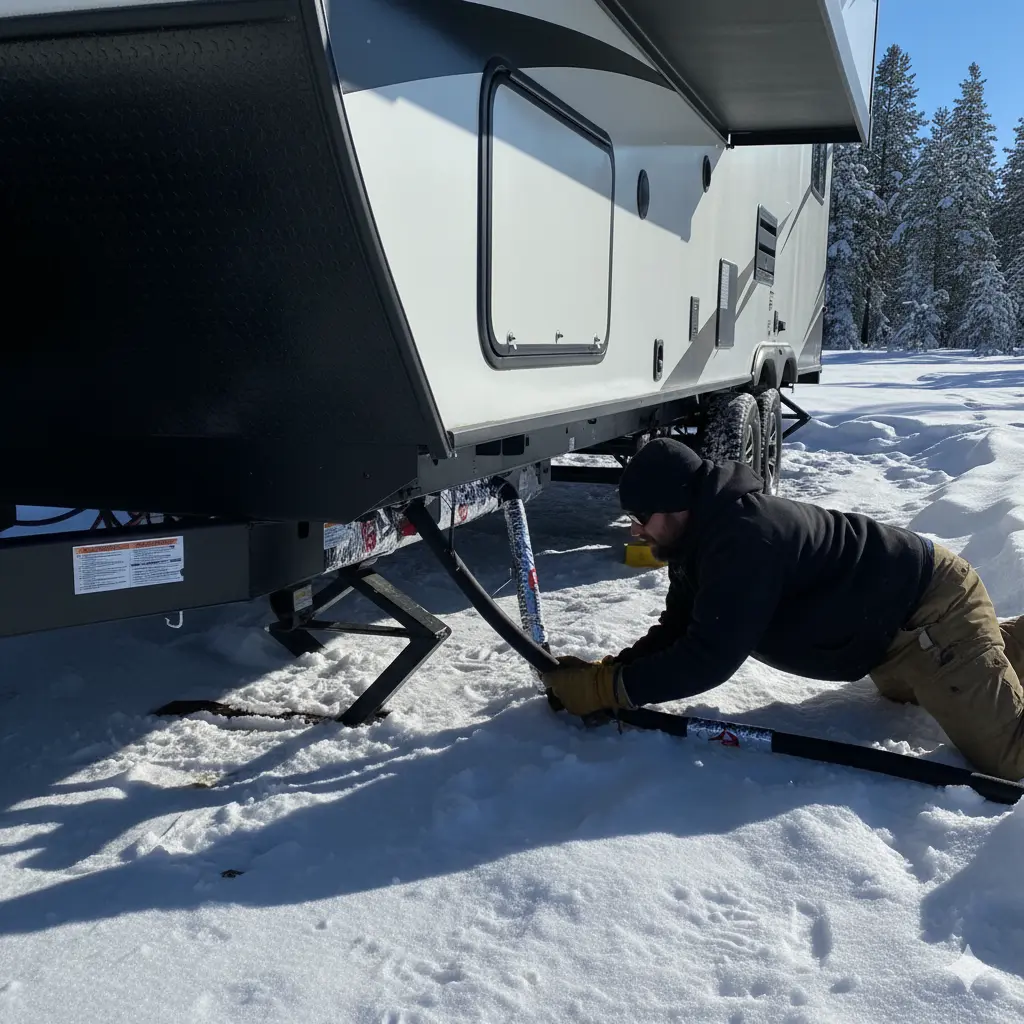
Extra Tip: Keep your freshwater tank inside the camper whenever possible — the cabin’s heat will help prevent freezing.
3. Add RV Skirting for Exterior Protection
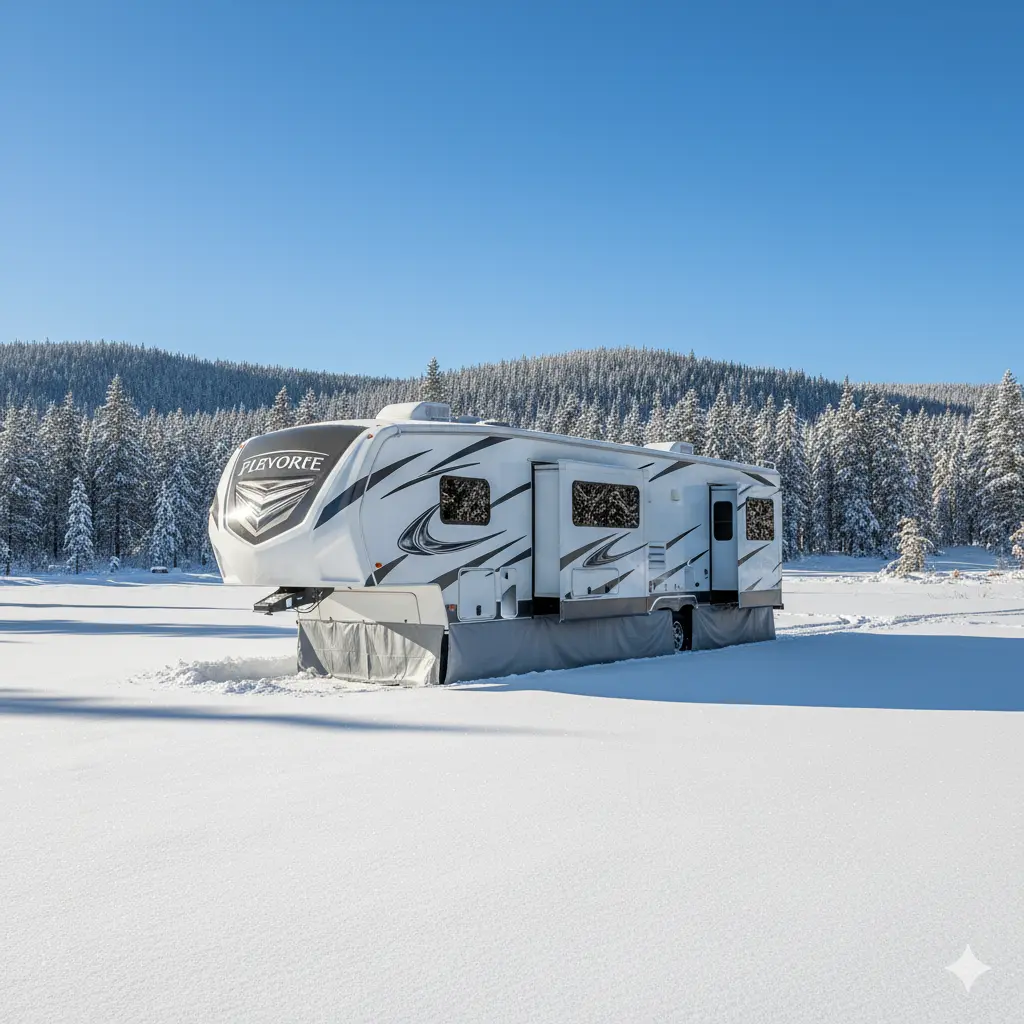
RV skirting is one of the best defenses against cold air. By sealing off the space under your camper, you reduce heat loss and prevent frozen tanks or floors.
Options for skirting:
- Vinyl skirting kits: Easy to install and weatherproof.
- Foam board skirting: Cheap, effective, and lightweight.
- DIY snow skirting: If camping in snow, pack snow around the base for temporary insulation.
Benefits:
- Reduces heat loss by up to 25%
- Protects plumbing from cold air
- Makes interior heating more efficient
4. Heat Efficiently Without Wasting Fuel
To live comfortably, you’ll need a consistent heat source — but also a strategy to conserve propane and power.
Best heating methods for winter camping:
- Propane furnace: Most RVs have one; ensure it’s serviced and clean.
- Catalytic heater: Uses propane efficiently without electricity.
- Wood or pellet stove: For stationary setups, adds cozy off-grid warmth.
- Electric blanket or 12V heater: For sleeping, powered by battery or generator.
Fuel-saving tips:
- Keep your thermostat at 60–65°F.
- Use thick bedding and thermal wear.
- Heat only occupied areas when possible.
5. Manage Condensation and Moisture
Moisture is one of the biggest challenges of living in a camper during winter. Cooking, breathing, and heating all add humidity, which leads to condensation and mold if not managed properly.
Moisture control methods:
- Crack a window or roof vent slightly for airflow.
- Use moisture absorbers (DampRid or silica gel).
- Wipe windows and cold surfaces each morning.
- Consider a small dehumidifier if using shore power.
Bonus Hack: Line metal window frames with felt or foam tape to reduce cold bridging and prevent frost buildup.
6. Insulate and Protect Your Holding Tanks
Frozen tanks can stop your plumbing from working — or even crack plastic components.
To prevent this:
- Add 12V tank heating pads or electric heaters to your gray, black, and freshwater tanks.
- Wrap tanks in insulated blankets or foam board.
- Keep waste valves closed until tanks are ready to dump.
This ensures steady function even during single-digit temperatures.
7. Prepare Your Power and Battery System
Cold weather drains batteries faster — and without enough power, heaters, lights, and appliances can fail.
Winter battery care:
- Keep batteries charged and warm using insulated battery boxes.
- Use solar panels or generators as backup sources.
- Check all electrical connections for corrosion.
Lithium batteries perform better in cold than lead-acid, but both benefit from insulation.
8. Stock Essential Winter Gear for Full-Time Living
A properly equipped camper is your best defense against the cold.
Must-have winter gear checklist:
- Heavy-duty sleeping bags (rated for below-freezing temps)
- Thermal curtains
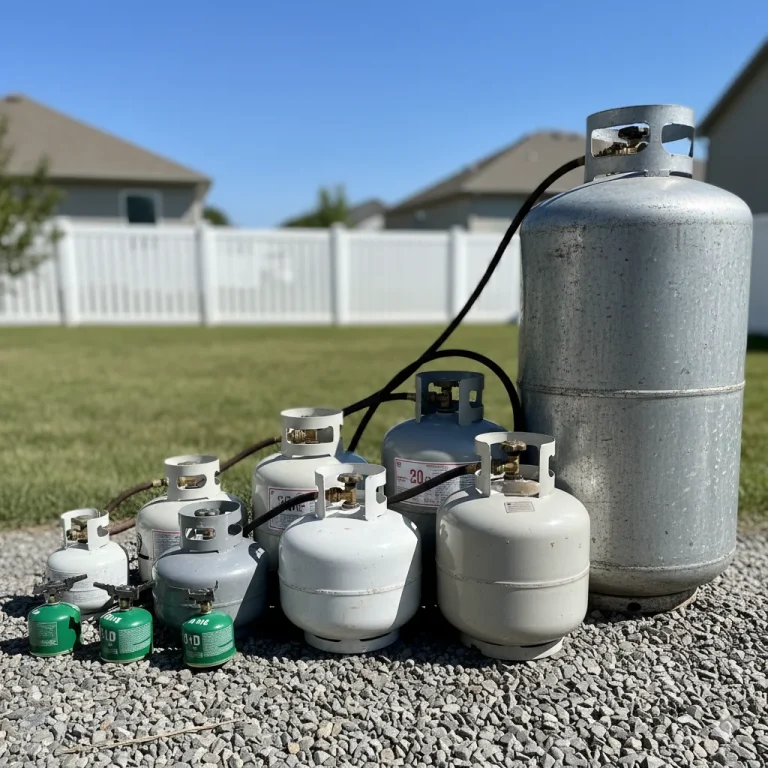
- Propane refill tanks
- Insulated gloves, boots, and jackets
- Snow shovel and ice scraper
- Space-saving thermal cookware
- Emergency blankets and first aid kit
Keeping backup supplies ensures you’re prepared for unexpected weather or power loss.
9. Monitor Your Camper Temperature and Safety
Install basic monitoring devices to stay safe and comfortable:
- Indoor/outdoor thermometers to track heat retention.
- Carbon monoxide and propane detectors to avoid gas buildup.
- WiFi temperature sensors (if you live connected) to get alerts remotely.
10. Smart Winterization Hacks from Experienced Campers
- Place a rug or foam pad in front of entry doors to reduce drafts.
- Use magnetic vent covers to control airflow.
- Store clothes and bedding in vacuum-sealed bags to keep them dry.
- Keep a small fan running on low to circulate warm air evenly.
These practical hacks make daily life in winter much more comfortable.
Conclusion
Knowing how to winterize a camper to live in can transform your RV into a warm, safe, and functional home during the harshest months.
With good insulation, heating systems, and preparation, winter camping doesn’t have to be a challenge — it can be a cozy adventure.
By following this checklist and applying a few clever hacks, you’ll stay warm, protect your camper, and make your cold-weather RV living experience both comfortable and rewarding.