19 Essential Winter Hiking Tips: Stay Warm, Safe, and Confident Outdoors
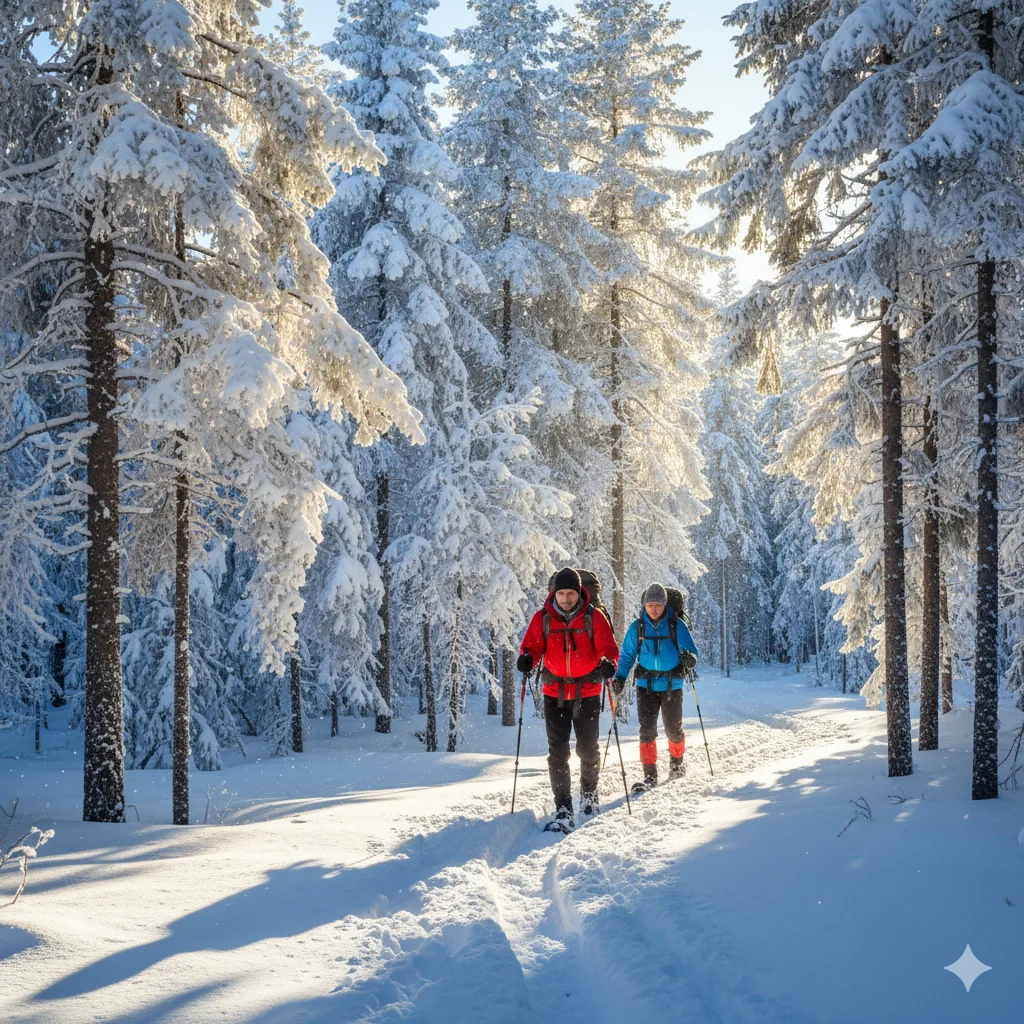
Winter transforms the outdoors into a breathtaking wonderland—crisp air, quiet trails, and snow-dusted forests make hiking an entirely new experience. However, it also introduces challenges: frigid temperatures, slippery trails, and shorter days. Without the right preparation, a peaceful winter hike can quickly turn uncomfortable—or even dangerous.
This guide shares 19 essential winter hiking tips to help you stay warm, safe, and confident on the trail. Whether you’re trekking through snow-covered woods or climbing icy ridges, these strategies will ensure your adventure remains both enjoyable and secure.
Why Winter Hiking Is Worth the Effort
Despite the cold, winter hiking offers unmatched solitude and scenery. You’ll experience quiet trails, sparkling snowfields, and wildlife tracks you’d never notice in summer. Plus, the physical challenge of cold-weather hiking can boost endurance and resilience.
The key is preparation—knowing what to wear, how to move, and when to rest. Let’s explore the essentials.
1. Check the Weather Forecast Thoroughly
Before heading out, study detailed weather reports for your trail area. Look at temperature, wind chill, snowfall, and daylight hours.
Avoid hiking during storms or whiteout conditions. Always have a backup route or date planned—winter weather can change fast.
2. Dress in Moisture-Wicking Layers
Layering keeps you warm and flexible:
- Base Layer: Wool or synthetic to wick sweat.
- Mid Layer: Fleece or down for insulation.
- Outer Layer: Waterproof shell to block wind and snow.
Remember: cotton kills—it traps moisture and cools your body quickly.
3. Protect Your Extremities
Fingers, toes, ears, and your nose lose heat the fastest. Wear insulated gloves, thermal socks, and a warm hat. Consider glove liners for added dexterity.
4. Use Waterproof Boots with Traction
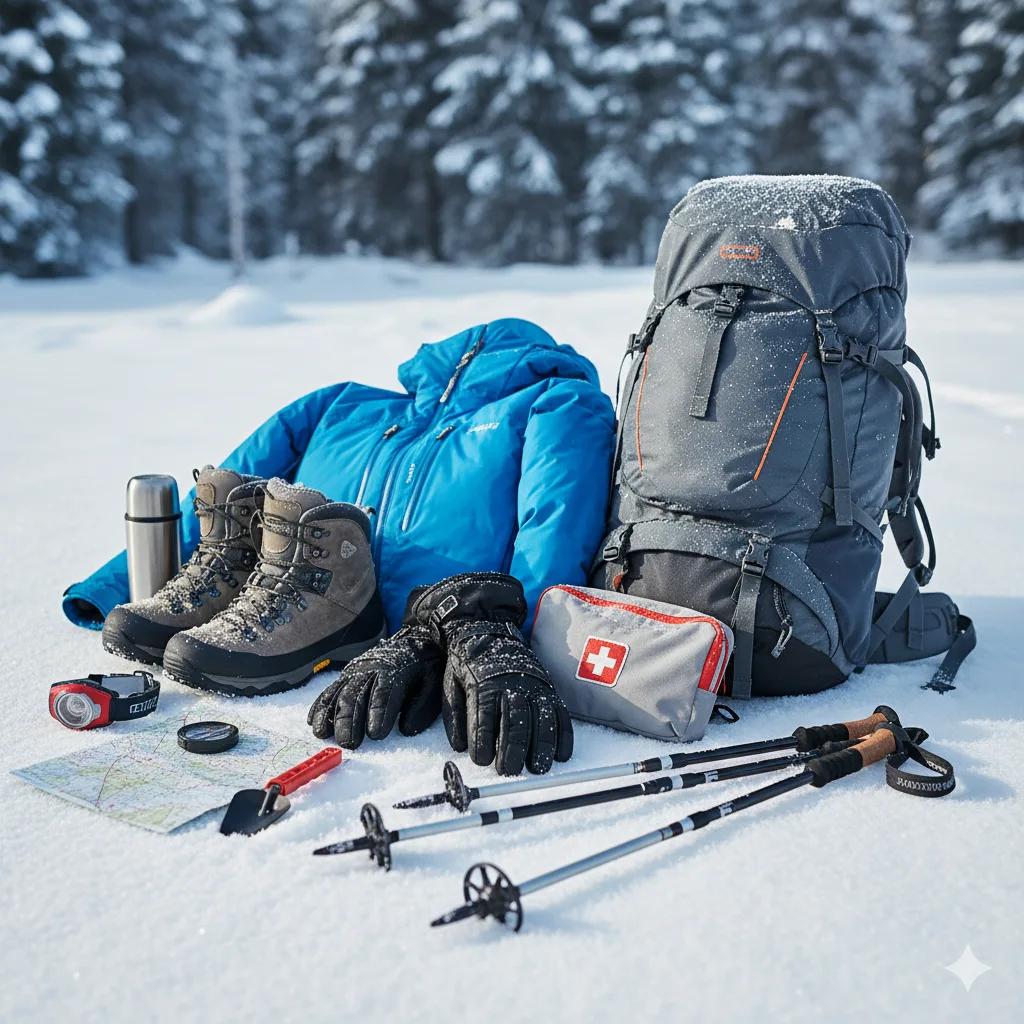
Winter hiking boots should be insulated, waterproof, and have deep tread or spikes. Pair them with gaiters to keep snow out.
Ice cleats or microspikes can make the difference between a safe step and a dangerous fall.
5. Pack Safety Essentials
Even short hikes require winter-specific gear:
- Headlamp (extra batteries)
- Map and compass or GPS
- First aid kit
- Emergency blanket
- Firestarter and lighter
- Whistle and multi-tool
These basics can be lifesavers if weather turns unexpectedly.
6. Bring Trekking Poles
Trekking poles add stability on icy or uneven terrain. Use ones with snow baskets to prevent sinking deep into snowdrifts.
7. Start Early and Watch Daylight
Winter days are short. Begin your hike early and plan to finish at least one hour before sunset. Always carry a headlamp, even for short hikes.
8. Manage Your Body Temperature
Avoid sweating too much—it cools you rapidly once you stop moving. Remove layers when you start to overheat and put them back on during breaks.
9. Stay Hydrated
Cold air dehydrates faster than you think. Keep water in insulated bottles or sleeves to prevent freezing. Warm tea or broth in a thermos adds comfort and hydration.
10. Eat High-Energy Foods
Winter hiking burns more calories. Pack dense, easy-to-eat snacks like nuts, jerky, energy bars, and chocolate. Warm meals, if possible, keep energy and morale high.
11. Know the Signs of Hypothermia and Frostbite
Watch for warning signs:
- Hypothermia: Shivering, confusion, slurred speech.
- Frostbite: Numbness, white or gray skin patches, stiffness.
If symptoms appear, add warmth, shelter, and warm fluids immediately.
12. Carry a Reliable Navigation Tool
Snow often hides trail markers. GPS apps, physical maps, or a compass are crucial. Never rely solely on your phone—cold drains batteries quickly.
13. Keep Electronics Warm
Store phones and power banks close to your body or inside an inner pocket to preserve battery life.
14. Learn How to Layer Smartly at Rest Stops
When you pause, quickly add a puffy jacket or outer shell to trap heat. Your body cools down fast once movement stops.
15. Choose the Right Trail for Winter Conditions
Start with moderate, low-elevation trails before attempting longer or higher climbs. Check local park websites for winter trail conditions and closures.
16. Bring a Lightweight Sit Pad
A foam sit pad keeps you dry and insulated during breaks. Sitting directly on snow or cold ground can cause rapid heat loss.
17. Respect Avalanche and Ice Hazards
If hiking near mountains, check avalanche forecasts from the National Avalanche Center or regional sites. Avoid frozen lakes unless ice thickness is verified safe.
18. Hike with a Buddy (or Tell Someone Your Plan)
Always share your itinerary and estimated return time. Solo hiking in winter carries higher risk, especially in remote areas.
If hiking alone, use a personal locator beacon (PLB) or satellite messenger for emergency communication.
19. Appreciate the Quiet Beauty
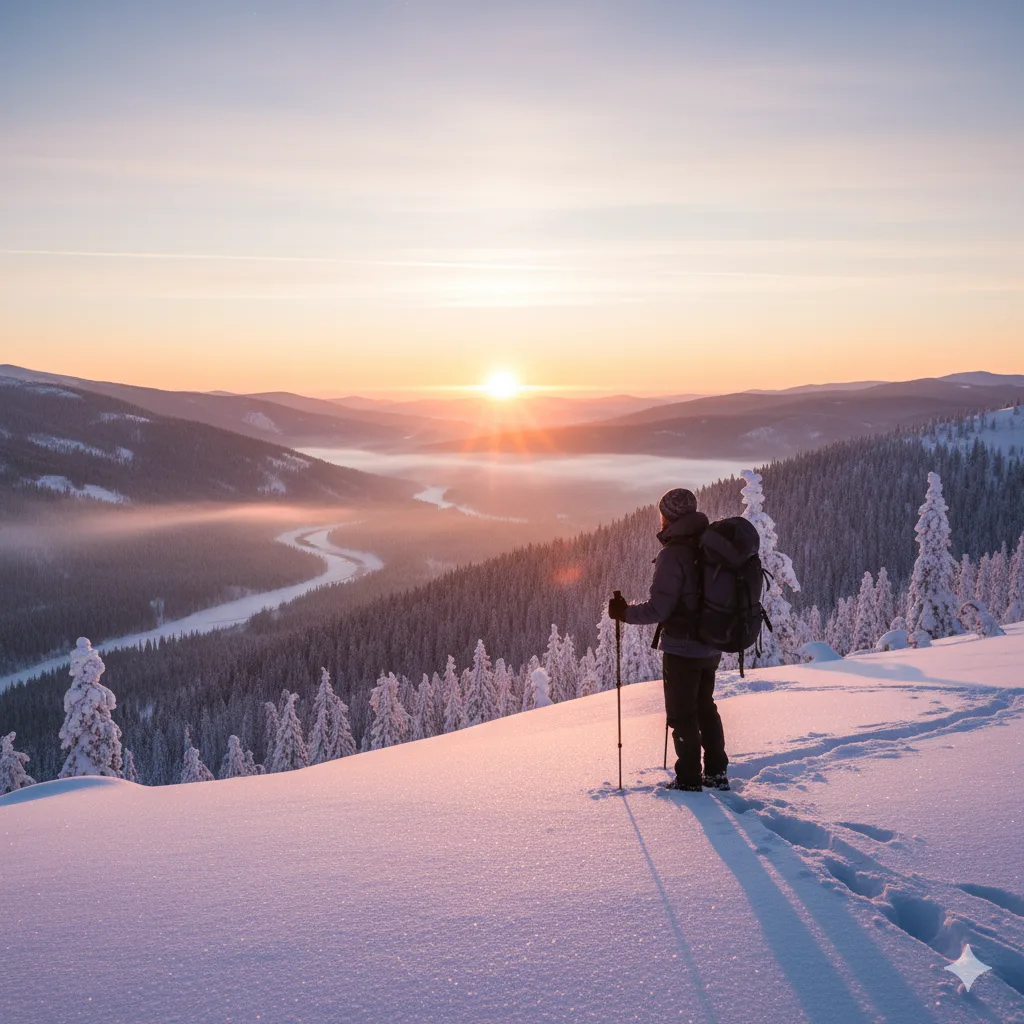
Amid all the safety measures, don’t forget to pause and enjoy the moment. Listen to the crunch of snow underfoot, breathe the crisp air, and admire the stillness of nature. Winter hiking rewards those who embrace its peaceful side.
Final Thoughts
Winter hiking is more than just a cold-weather challenge—it’s an opportunity to connect with nature in a way few experience. By following these 19 essential winter hiking tips, you’ll stay warm, safe, and confident while exploring snow-covered trails.
Prepare well, respect nature’s limits, and you’ll discover that hiking in winter isn’t just possible—it’s deeply fulfilling.