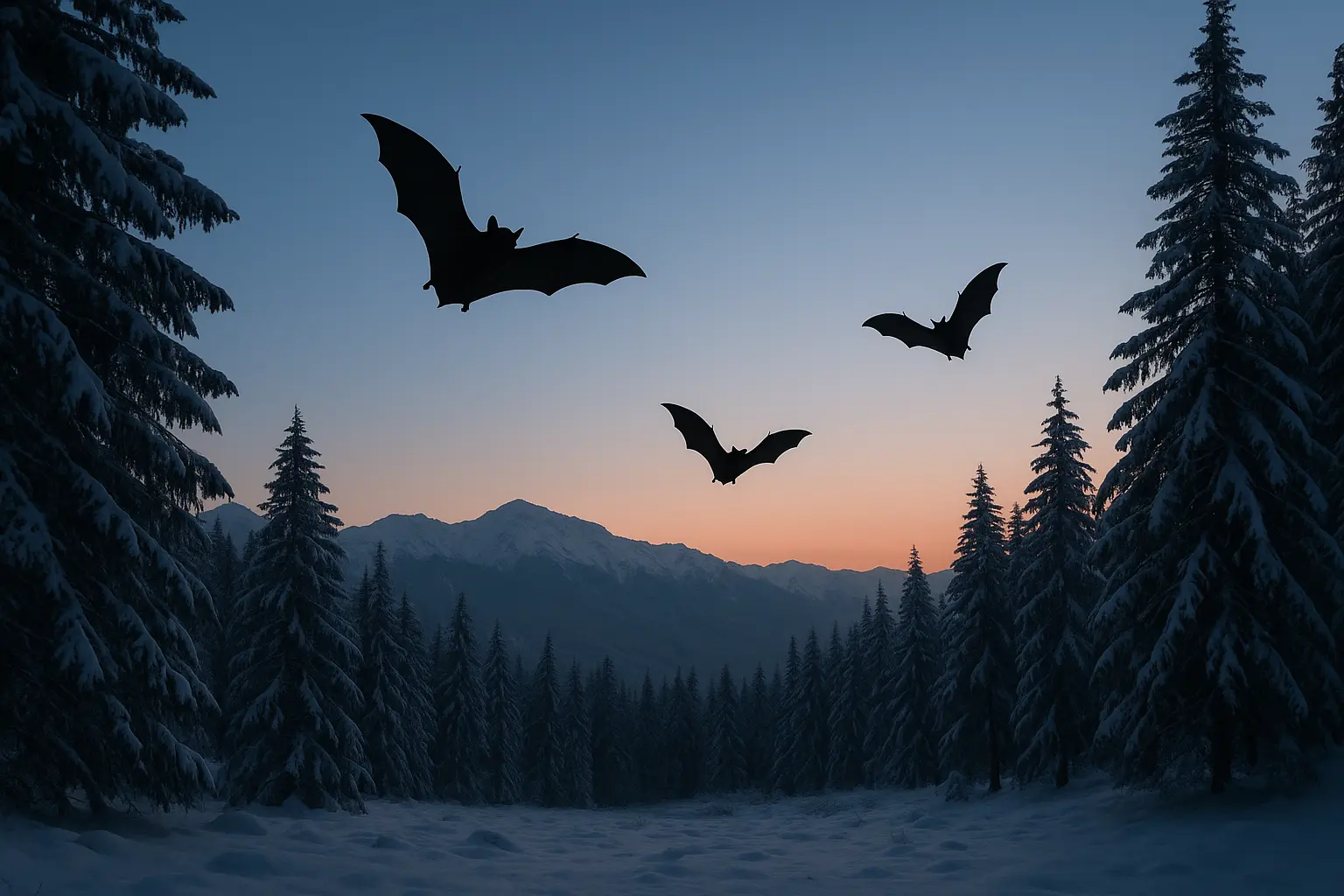
Do Bats Hibernate in the Winter? 3 Amazing Ways They Brave the Cold
If you’ve ever spotted a bat fluttering around your porch in the warm months, you might wonder — what happens to these creatures when winter rolls in? Do bats hibernate in the winter, or do they simply migrate to warmer places? The truth is, bats are surprisingly resourceful when it comes to surviving cold weather.
In this guide, we’ll explore the fascinating ways bats adapt to dropping temperatures, where they go during winter, and how you can keep your home and attic safe from uninvited winter visitors — all while respecting these incredible animals.
Understanding Bat Behavior: Why Cold Weather Is a Challenge
Unlike some animals that grow thick fur or stash away food, bats face a unique problem in the winter: their food source disappears.
Bats primarily feed on flying insects, which vanish once temperatures dip below freezing. With no bugs to eat and limited energy reserves, bats must rely on one of nature’s oldest survival strategies — hibernation.
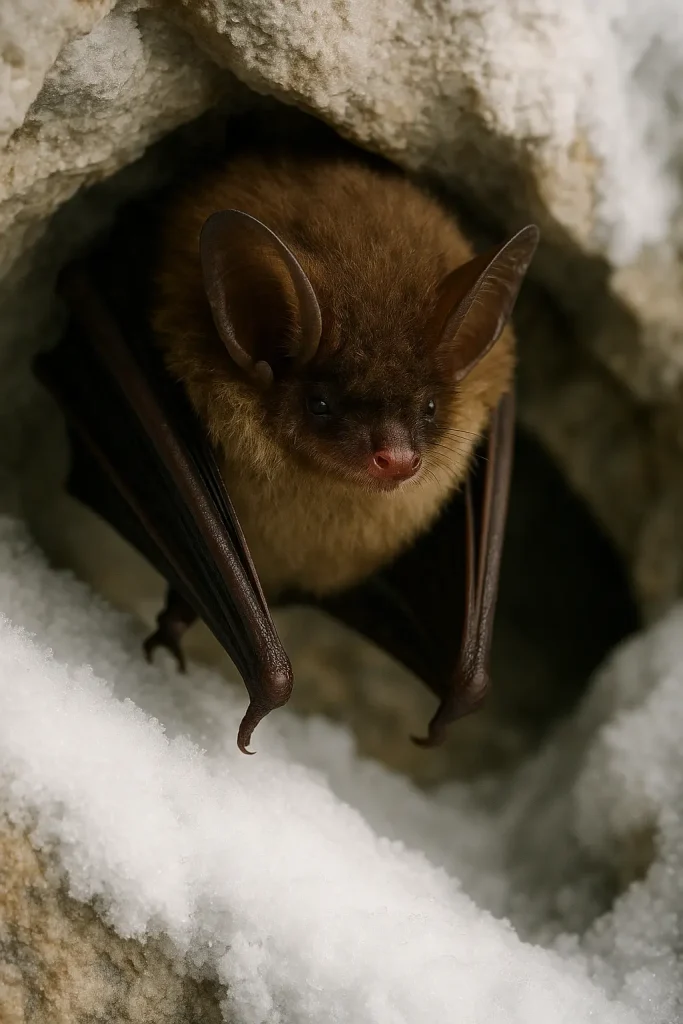
Hibernation allows bats to dramatically slow their metabolism, heart rate, and body temperature to conserve energy. Some species even lower their heart rate from 200 beats per minute to as few as 10!
But not all bats hibernate the same way. Depending on their species and environment, bats have three primary methods for handling cold weather.
1. True Hibernation: The Deep Sleep Strategy
For many bats, hibernation is the key to surviving winter’s harsh conditions. These bats retreat into protected spaces where temperatures remain stable and above freezing.
Common hibernation spots include:
- Caves and mines – natural shelters that maintain consistent humidity and warmth
- Abandoned buildings or tunnels – dark, secluded, and predator-free
- Tree cavities and rock crevices – perfect for smaller bat species
During hibernation, a bat’s body temperature can drop close to the ambient temperature of its shelter, often between 35°F and 45°F (1°C–7°C). Their breathing slows dramatically — sometimes taking minutes between breaths.
It’s crucial never to disturb hibernating bats. Waking them too early can force them to burn through fat reserves, leading to starvation before spring arrives.
2. Migration: Flying South for the Winter
Not all bats hibernate. Some species, like the hoary bat and silver-haired bat, choose to migrate instead.
These bats travel hundreds or even thousands of miles to find warmer climates where insects remain active year-round. Migration routes often lead to the southern United States, Mexico, or even parts of Central America.
Migration comes with its own challenges, though:
- Energy demands: Long flights require significant fat reserves.
- Weather risks: Sudden storms or temperature drops can be deadly.
- Habitat loss: Finding safe roosting sites along the way is becoming harder due to urban expansion.
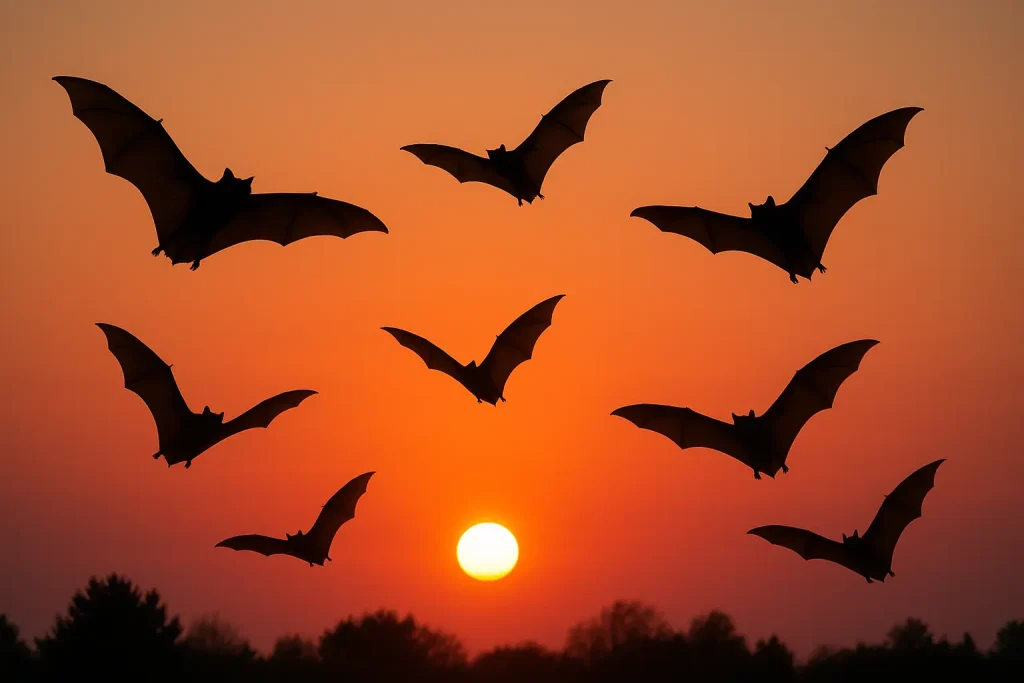
Still, for migratory bats, it’s a trade-off that ensures access to food and better survival odds.
3. Torpor and Temporary Shelter: A Flexible Approach
Some bats use a hybrid strategy called torpor, a short-term state similar to hibernation. Instead of sleeping through the entire winter, they enter torpor during particularly cold days or nights.
You might find these bats tucked away in barns, attics, or under bridges — any place that offers warmth and cover.
When temperatures rise briefly, torpid bats may wake, move to new shelter, or even feed on any late-emerging insects.
This strategy is most common among bats living in temperate regions, where winters fluctuate between cold snaps and mild days.
How to Tell If Bats Are Wintering in Your Home
While bats are vital to our ecosystem (a single bat can eat up to 1,000 mosquitoes per night!), they don’t belong inside your home.
During cold months, bats seeking shelter may enter attics, chimneys, or wall cavities.
Signs of bats in your home include:
- Scratching or fluttering sounds at dusk or dawn
- Dark stains near vents or eaves (from bat oils)
- Tiny droppings (guano) beneath entry points
- A strong ammonia-like odor
If you notice these signs, avoid sealing entry points right away — bats may still be inside. Instead, contact a licensed wildlife removal specialist who can safely exclude them after winter ends.
Why Bats Matter — Even in the Winter
Before you get too concerned about these winged visitors, remember that bats are eco-heroes.
They help control pests, pollinate plants, and disperse seeds. By understanding their winter behavior, you can protect your home without harming them — a win for both you and nature.
Simple ways to support bats safely:
- Install a bat house away from your home before spring.
- Avoid using harmful pesticides that kill their food sources.
- Educate neighbors about humane bat conservation.
Final Thoughts: Do Bats Hibernate in the Winter?
Yes — but not all do! Some bats hibernate in caves or trees, others migrate to warmer regions, and a few adapt through short-term torpor. Each strategy showcases nature’s incredible balance between survival and adaptation.
As winter settles in, remember: bats are part of the delicate ecosystem that keeps insect populations in check. By learning how bats handle cold temperatures, you’re not just gaining knowledge — you’re participating in a broader effort to live harmoniously with wildlife.
So the next time you see a bat swooping across the twilight sky, you’ll know the remarkable journey it takes to survive each season.