29 Expert Winter Camping Tips: Stay Warm, Safe, and Truly Cozy
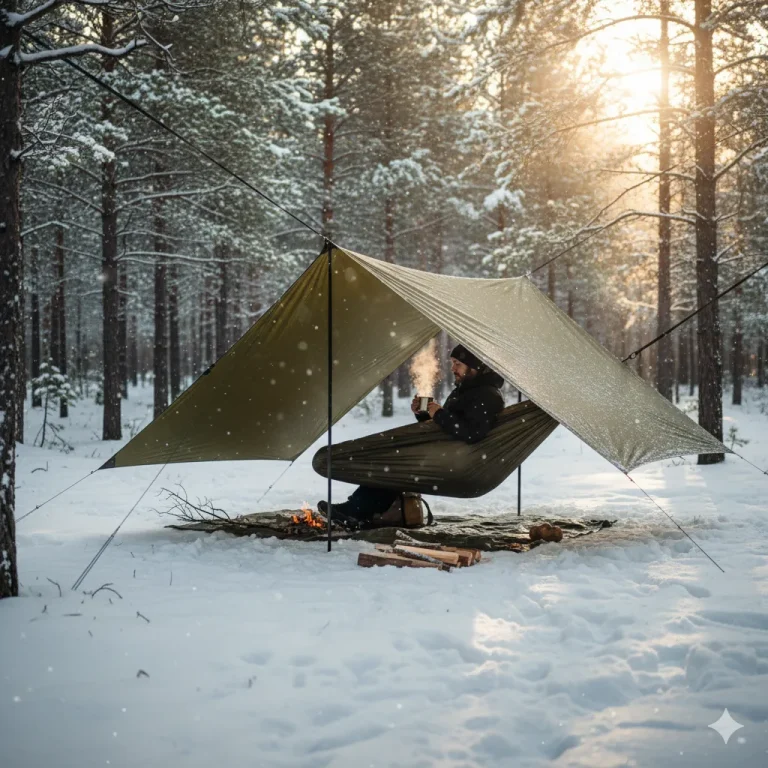
Camping in the winter may sound extreme to some, but for true outdoor lovers, it’s one of the most rewarding experiences imaginable. The crisp air, snow-blanketed landscapes, and peaceful silence create a kind of magic that summer simply can’t match. However, winter also brings unique challenges—cold temperatures, unpredictable weather, and limited daylight.
That’s where this Winter Camping Tips Guide comes in. These 29 expert strategies will help you stay warm, safe, and comfortable—even when the thermometer drops below freezing. Whether you’re a seasoned winter adventurer or a beginner eager to try cold-weather camping, these tips will prepare you for success.
Why Winter Camping Is Worth the Effort
Winter camping offers serenity that summer crowds can’t compete with. Trails are quieter, campsites are emptier, and snow transforms familiar places into entirely new worlds. Plus, fewer bugs and cooler temperatures make for better sleep and more relaxed exploration.
With preparation, you can enjoy all this beauty without freezing—let’s explore how.
1. Choose the Right Campsite
Pick a sheltered location, ideally near a natural windbreak like trees, rocks, or hills. Avoid low-lying areas where cold air settles and water might pool when snow melts.
If possible, face your tent door away from prevailing winds for better warmth retention.
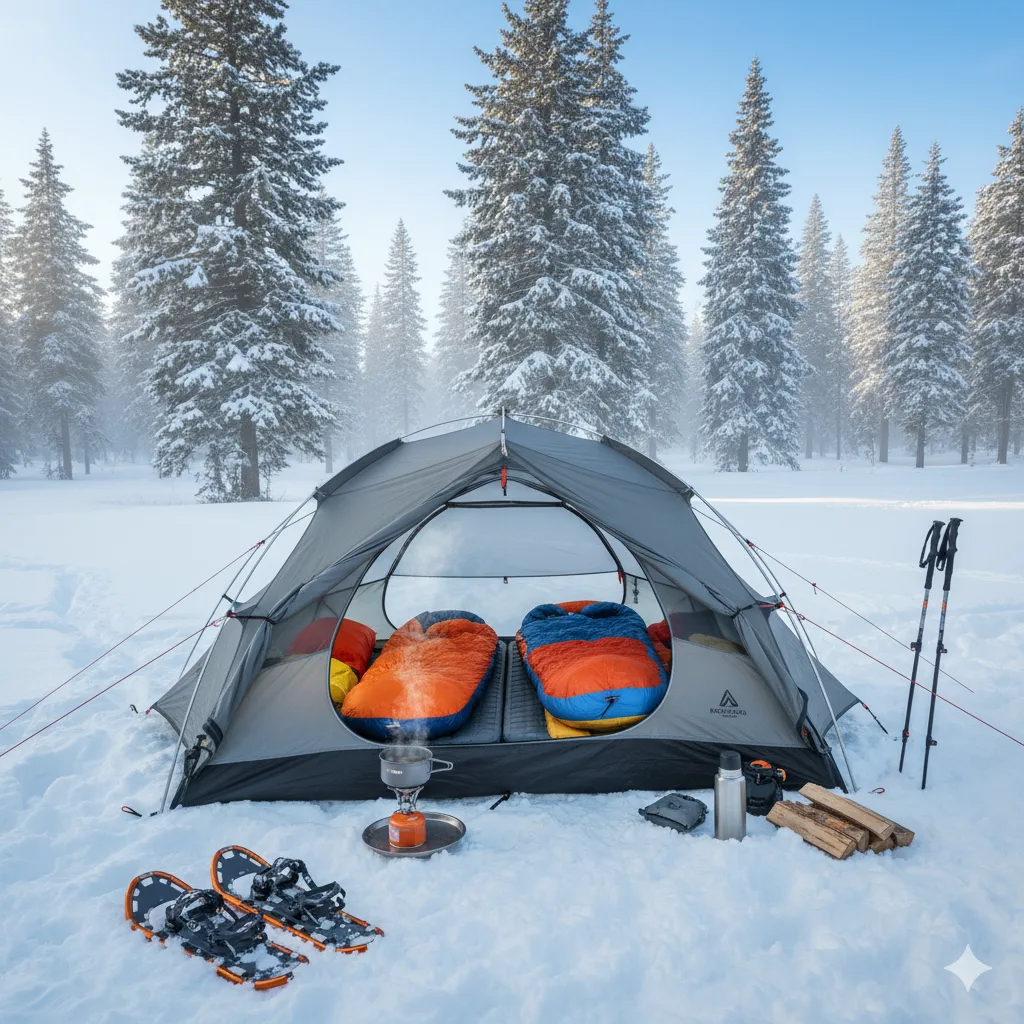
2. Bring a Four-Season Tent
A four-season tent is designed to handle snow, wind, and sub-zero temperatures. Look for one with sturdy poles, strong guy lines, and full-coverage rainfly protection.
This type of tent is essential for warmth and stability in harsh winter conditions.
3. Use a Ground Insulation Layer
Cold seeps up from frozen ground. Always use an insulated sleeping pad, foam mat, or reflective barrier under your sleeping bag. Combining two pads—one foam and one inflatable—offers excellent insulation.
4. Pick a Proper Sleeping Bag
Choose a sleeping bag rated 10°F below the lowest expected temperature. Down bags provide the best warmth-to-weight ratio, while synthetic insulation performs better in damp environments.
5. Add a Sleeping Bag Liner
A fleece or silk liner can add 5–15°F of warmth and keep your bag cleaner. It’s an inexpensive way to improve insulation.
6. Bring an Insulated Pillow
An inflatable or foam camping pillow with insulation prevents heat loss through your head and neck. You’ll sleep more comfortably and wake up better rested.
7. Dress in Layers
Layering is the secret to temperature control:
- Base Layer: Moisture-wicking wool or synthetic fabric.
- Mid Layer: Fleece or down jacket for insulation.
- Outer Layer: Waterproof shell to block wind and snow.
Avoid cotton—it absorbs moisture and chills quickly.
8. Wear Dry Socks to Bed
Always switch to dry socks before sleeping. Moisture from sweat can drop your foot temperature dramatically overnight.
9. Keep Boots Inside the Tent
Cold boots make for a miserable morning. Place them in a dry bag or stuff sack inside your tent to keep them warm and pliable.
10. Use the Hot Water Bottle Trick
Before bed, fill a leak-proof bottle with boiling water, wrap it in a sock, and place it inside your sleeping bag. It radiates heat for hours.
11. Eat a Warm, High-Calorie Dinner
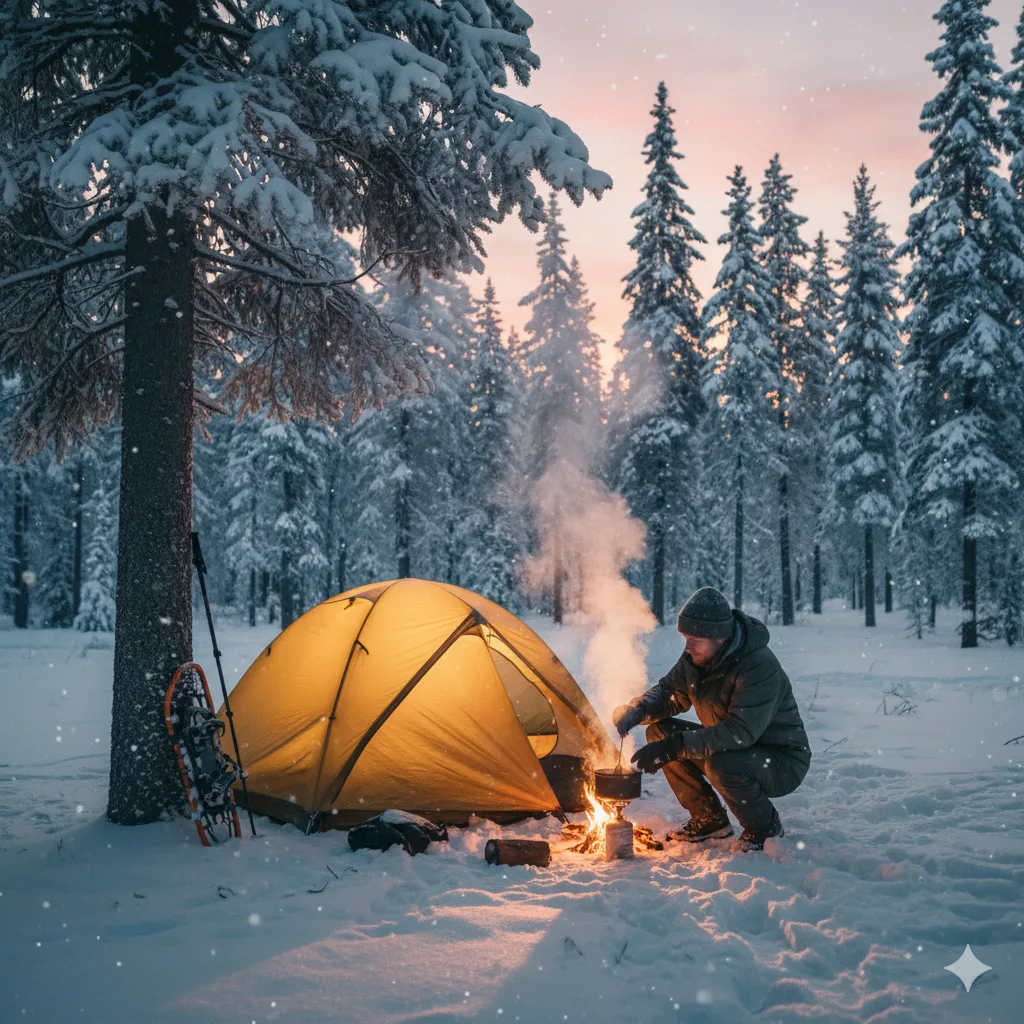
Your body needs fuel to stay warm. Go for hearty, fatty, and protein-rich meals like pasta, cheese, nuts, or dehydrated backpacking meals.
12. Stay Hydrated
Dehydration worsens cold sensitivity. Melt snow for water, but always boil or filter it to remove impurities. Insulated bottles prevent freezing.
13. Bring a Reliable Stove
Butane and propane stoves struggle in the cold. Use an isobutane or liquid fuel stove that performs well at freezing temperatures.
14. Keep Fuel Warm
Store fuel canisters inside your jacket or sleeping bag to keep them from losing pressure. Warm fuel burns more efficiently.
15. Manage Condensation in Your Tent
Keep vents slightly open to reduce moisture buildup. Condensation freezing on tent walls can soak your gear when it melts.
16. Keep Batteries Warm
Cold drains batteries quickly. Keep headlamps, phones, and power banks in your sleeping bag or inner jacket pockets overnight.
17. Dry Out Gear During the Day
Hang sleeping bags and clothing in sunlight or breeze during breaks to dry condensation. Dry gear equals warm gear.
18. Use Hand and Foot Warmers
Chemical heat packs can make a big difference in keeping extremities warm. Keep a few in your emergency kit.
19. Protect Your Water Filter
Water filters can freeze and crack. Keep them inside your sleeping bag or a pocket close to your body.
20. Build a Snow Windbreak
If winds are strong, pile snow or ice blocks to create a natural barrier on the windward side of your tent.
21. Bring Fire Starters
Cold weather can make lighting fires difficult. Pack waterproof matches, a lighter, and fire starter cubes or tinder kits.
22. Keep Campsite Organized
Avoid losing items in snow. Use stuff sacks, clear containers, and color-coded gear to stay organized.
23. Stay Active During the Day
Movement generates heat. Go for short hikes, gather firewood, or explore the surroundings to maintain body temperature.
24. Know the Signs of Hypothermia
Watch for symptoms: shivering, slurred speech, confusion, and loss of coordination. Treat immediately with warmth, shelter, and warm drinks.
25. Avoid Overheating
If you sweat too much, your clothes will freeze later. Adjust layers as needed to stay warm but dry.
26. Bring a Multi-Tool
Cold weather often causes gear issues. A multi-tool can fix frozen zippers, broken tent poles, or stove adjustments.
27. Pack a Headlamp with Extra Batteries
Winter nights are long. A bright headlamp is essential for cooking, setup, and safety. Bring extra batteries or rechargeable power banks.
28. Prepare a Morning Routine
Getting out of a warm sleeping bag can be tough. Keep your breakfast, boots, and lighter inside the tent for an easier start.
29. Embrace the Experience
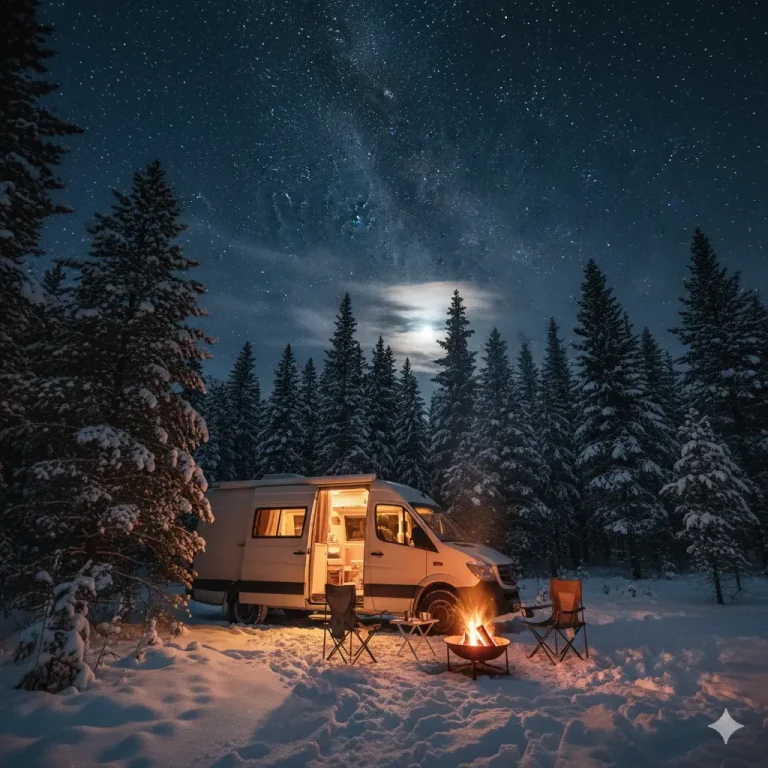
Winter camping isn’t just about survival—it’s about connection with nature at its quietest. Embrace the stillness, enjoy hot cocoa under the stars, and take pride in your resilience.
Final Thoughts
Mastering winter camping is about preparation, mindset, and respect for nature’s extremes. When you apply these 29 expert tips, you’ll not only stay safe and warm—you’ll discover a whole new way to enjoy the outdoors.
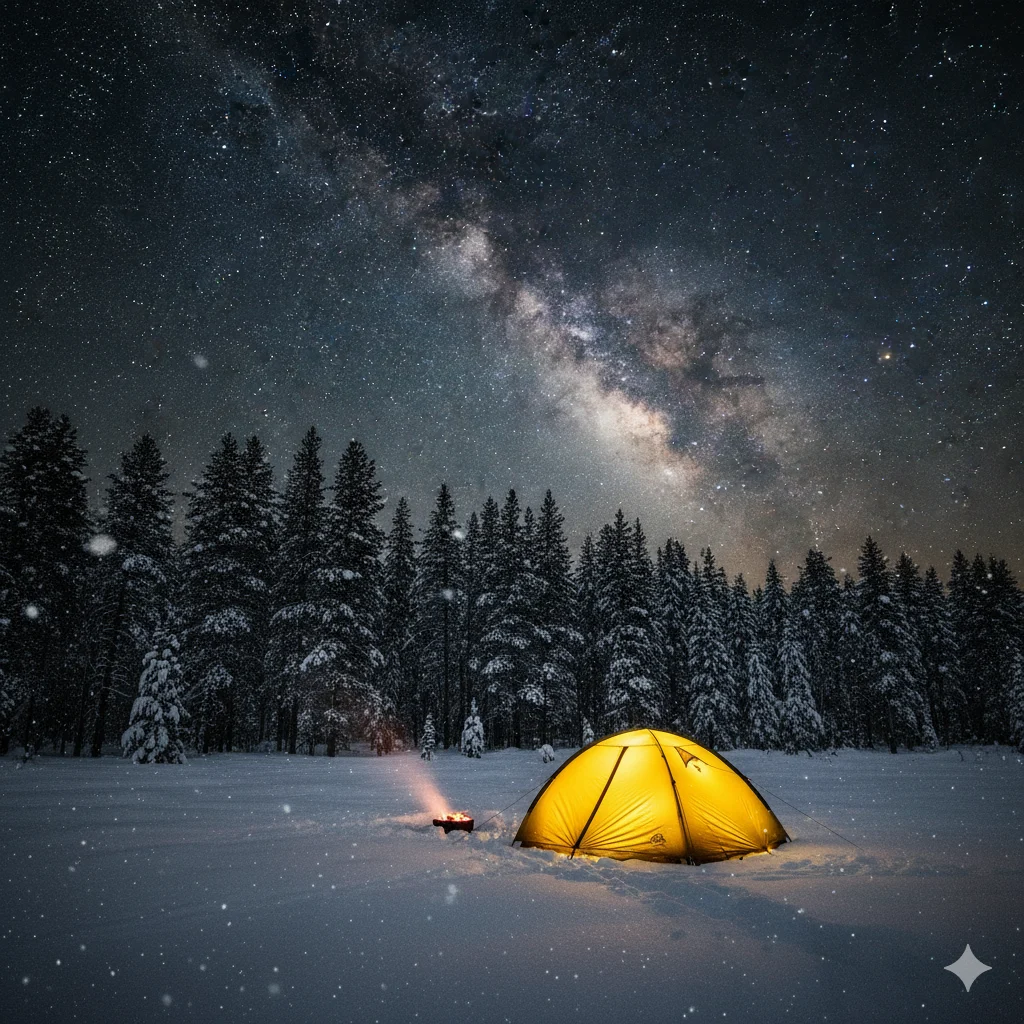
With the right gear, strategy, and attitude, you can turn freezing nights into unforgettable adventures filled with comfort and serenity.